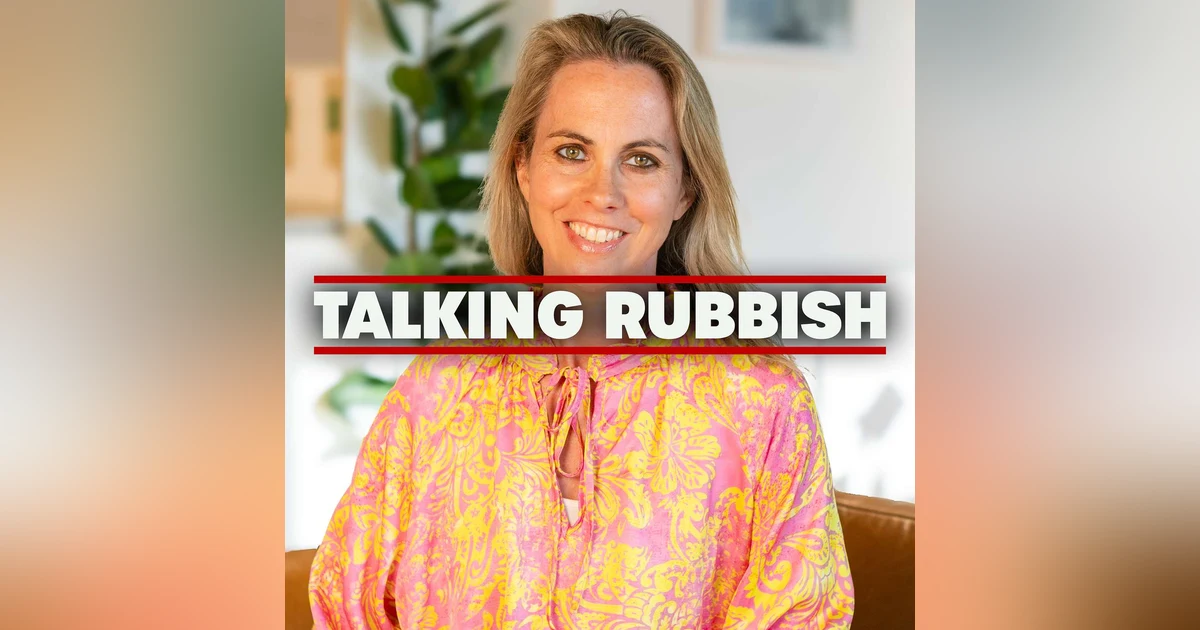
105. The free food app rescuing millions of meals, with Tessa Clarke from Olio


 Apple Podcasts
 Spotify
 YouTube
 Amazon Music
 Castbox
 Podcast Addict
 PocketCasts
 Key Takeaways
- Food waste is a staggering global crisis, with over one-third of all food produced annually going to waste while millions face hunger.
- Household food waste makes up more than half of the UK's total food waste, driven largely by lifestyle habits and a lack of community connection.
- The Olio app connects neighbors to share surplus household food items, preventing perfectly good groceries from ending up in landfills.
- In addition to household sharing, Olio partners with major retailers like Tesco and Sainsbury's, utilizing food safety-trained volunteers to redistribute unsold commercial food.
- Using the Olio app for food waste reduction also fosters profound social benefits, helping users build community connections, make friends, and ease cost-of-living pressures.
Food waste is one of the biggest environmental challenges we rarely talk about, with the average UK household throwing away around £1,000 worth of perfectly good food every year. In this episode, we are joined by Tessa Clarke, co-founder of Olio, to explore how a simple idea has grown into a global community redistributing millions of meals. We discuss why so much food is wasted at home, what businesses and governments could do differently, and how technology is helping connect neighbours to save food, money and emissions.
Join hosts James Piper and Robbie Staniforth as they delve into the world of recycling, hopefully having fun along the way. One thing is for sure, they will talk absolute rubbish from start to finish.
Please take a moment to complete the Simpler Recycling tracker
We would love you to join our community on Discord
Special thanks to our sponsor, Ecosurety
To get exclusive videos and clips, follow us on Instagram, TikTok, Threads or Facebook; @rubbishpodcast or YouTube: @talkingrubbishpodcast
Or you can contact James and Robbie with questions or just general rubbish musings using the email address talkingrubbishpodcast@gmail.com or by texting them via WhatsApp on 07356 069 232
Relevant links and reports mentioned in the programme can be found on the Talking Rubbish Linktr.ee
Transcripts and episodes can be found on the Talking Rubbish website
Music licence ID: 6WPY8Q4O2RPFIOTL
Frequently Asked Questions
What is the Olio app food waste solution?
Olio is a free sharing app that connects neighbors with surplus food so they can give it away instead of throwing it in the bin. The platform also enables a network of volunteers to rescue unsold food from major supermarkets and local businesses to redistribute to the community.
How does Olio work for households?
If you have surplus food because you are going on holiday, dieting, or over-catered, you simply snap a photo and upload it to the Olio app. Nearby users get an alert, request the items, and coordinate a safe pickup location without ever needing to share private home addresses.
Who founded Olio and when was it launched?
Olio was co-founded by Tessa Clarke and Saasha Celestial-One after experiencing firsthand the frustration of having to throw away good food during a move. The first version of the app was officially launched on July 9, 2015.
Is the food on Olio free?
Yes, all items shared through the Olio app—whether surplus household groceries or rescued food from supermarkets—are given away completely for free to help reduce waste and support local communities.
James Piper
Hello, welcome to Talking Rubbish, a weekly podcast delving deep into the world of recycling and discussing the truth behind snappy headlines and one-sided stories. I'm James Piper and I'm joined by Robbie Stanford, my Far From Rubbish friend. And we are joined today by Tessa Clark, our Far From Rubbish guest.
Robbie Staniforth
Hi Robbie. Hey James. How are you today? Yeah, very good. Excited to speak to Tessa and see all about the app Olio.
James Piper
I know, and we would have had an amazing episode leading into Tessa's episode about food waste recycling and fridges. Were it not for Defra deciding to delay flexible plastic by three years and us having to get an episode rushed out for that? So next week, after Tessa's interview, we're going to have this nice episode on how fridges could create food waste and food waste recycling. But we can blame Defra's delay not only for impacting flexible recycling, but also for leaving us unprepared for this interview with Tessa. But I'm excited. I'm excited to learn more about Olio and the work that they do and just the the size of that organization now. It's going to be great to get into it.
Robbie Staniforth
Yeah, well, Robbie and Unprepared is sort of like hand in glove, isn't it? So this is just normal for me. Yes. And you do like to come to an interview going, I haven't even downloaded the app. I had downloaded the app when it first started. So we're going to be finding out whether my timeline sync and whether I did once have this app or not shortly.
James Piper
Very good. Right. Well, before we turn to Tessa, let's do some additions and corrections. Additions and corrections. Robbie, I had an email in from Darren. Thank you very much for this, Darren, who was accusing me, misunderstanding that it was actually your problem, so I'm pushing it straight. Oh no. Which was he said he was playing catch-up on the podcast and has to say he's a little disappointed that you disposed of your broken fan before looking for a replacement blade. So if you remember you had a blade come off your fan.
Robbie Staniforth
Yeah, that's right. I snapped it.
James Piper
You talked about how you were sending it off the waste electrical recycling. And Darren emailed to say that he repaired his fan. And he said the fan blade was one of the flimsiest he'd ever seen, the flimsiest bit of plastic. And generally the fixings were quite standard. So he was intrigued as to why you didn't repair your fan.
Robbie Staniforth
Oh no, I've been absolutely outed, shamed. I mean, it was quite a cheap fan. I struggled to believe that they kept spare parts for it, but I hadn't even considered the fact that parts for a fan might well be universal. You know, desk fans, they're all a sort of similar shape and size. Oh, well, I consider myself thoroughly ticked off by Darren.
James Piper
And seeing as last week, we said we spend too much time on recycling, not enough on repair and replace. Oh yeah.
Robbie Staniforth
God. I'm making a roll for my own back. Yeah.
James Piper
Yeah, we're very sorry, Darren. Next time. We've sorted them out. And we talked a few episodes ago about panini stickers. Still got the pack, still unopened. Very good. Will remain unopened. We talked about the fact that Coca-Cola had hidden panini stickers behind the label, and I showed that on the on the podcast. Lots of people got in contact to say there is an unintended problem with this.
Robbie Staniforth
Okay. Because we were fans of it. You know, it's like you don't need to be a good idea.
James Piper
No, no, no. Were we a fan of it? I don't think we were. I don't think I'm a fan of anything that requires you to buy more 12 bottles. Okay, Coca-Cola, sure.
Robbie Staniforth
We weren't a fan of that, but we thought it was quite ingenious how they hadn't had a separate sticker. It was just on the back of the label itself that you peeled off.
James Piper
Yeah, the concept, the actual packaging piece was great. Yes. But you cannot, I mean, I'm sure Coca-Cola thought about this, but you can't really account for the public who are desperate to get those panini stickers. Sure. Because lots of people were commenting about people peeling the labels in the shop, taking the panini sticker, and then replacing the label. Really? Or just stealing the label. Now there's two problems there. Obviously, if you steal the label, you've lost the barcode, the ingredients. That product can't be sold now, so that's just become food waste. Don't know whether it could go through Olio, I suspect not, because I bet Olio requires you to have a label on. Equally, how disappointed are you going to be if you've bought that Coca-Cola specifically for the panini sticker and you get there, take the label off, and it's gone?
Robbie Staniforth
Very disappointed is the answer to that.
James Piper
So even I mean, this happens a lot, doesn't it? Packaging promotions, I sort of had in my mind a good trash talk we could do, which is packaging promotions gone wrong, because there's quite a few. And I started looking into it and I thought, this will be a great episode. So maybe in the future, when we're looking for a bit of a like some light-hearted relief from all the delays of flexible plastic and why fridges called food cause food waste. Yeah. Maybe we could do a nice um a nice episode on how did that ever get signed off? Rice. We'd like to take a moment to thank our sponsor, EcoSurety, who are on a mission to rid the world of unnecessary packaging. They help brands navigate the tricky world of extended producer responsibility, but that is not all. They also collaborate on some incredible recycling projects and consumer awareness campaigns for those tough to recycle materials. If you're an organization looking to make smarter packaging choices, check them out at ecosurety.com. And the best thing you can do to help our podcast to grow is to tell your friends and family about it, or you can leave us a review. And if you leave us a review, you could be Robbie's review of the week.
Robbie Staniforth
And this one's a five-star that comes in on Apple, one of our most popular ones, by Mrs. G's Thoughts. Don't know who that is. Thank you, Mrs. G. Thank you, Mrs. G. Fun and informative. I started listening to this podcast recently after seeing a mention on social media, and have now worked through all the episodes to date. As a self-confessed recycling geek, I have found it a brilliant way of adding to my knowledge, challenging some generally accepted practices, and helping me make some further changes to packaging choices. James and Robbie's easy-going banter make it a fun podcast to listen to, breaking down potentially incomprehensible scientific details into easy-to-understand formats and featuring very interesting guests. We'll find out today, Tessa. I'm thoroughly looking forward to all future episodes. Wow, that is a very kind and well-written review. Very good review.
James Piper
Thank you so much. And you can follow us at rubbishpodcast. You can email talkingrubbishpodcast at gmail.com or you can WhatsApp us. Also join our Discord. It's the easiest way to engage with us and listeners of the show. And the link to all those things is in the show notes. I heard you've listened to a few episodes, so that's nice.
SPEAKER_03
I have. Yep. The toilet paper was a classic for me.
James Piper
Oh yes.
SPEAKER_03
That one.
James Piper
Yeah, it's very good. People really like the toilet paper one. That was turned into an ad by Naked Paper the other day, and I had loads of people sending it to me. Because we don't we do have these weird situations where occasionally we say, Oh, we really like this company.
SPEAKER_01
Yeah.
James Piper
And then the comp and it's just like just because we do really like them. So Naked Paper was the toilet paper one. We had this overheard one where we talked about powdered milk the other day. And then the companies inevitably reach out and say, Oh, can we have that clip? Because that's actually really good. And I'm like, Yeah, you can have it, but it you need to make sure everyone knows we we're not paid for this. This is not endorsement. Yeah. And so uh I've had friends sending me my own comments on toilet paper on a naked paper ad. It's a very weird situation.
Robbie Staniforth
Everybody uses, or most people, at least in the the Western world, use toilet paper. We don't need to relive that though. Let's move into food waste today. So the obvious question, Tessa, and one that I was dying to ask, because I uh ahead of the interview, I did admit to James, I see Oleo everywhere at sustainability conferences and things, but I don't actually know that much about it. So tell us first of all, how did it start?
SPEAKER_03
So, to understand how Oleo starts, you've got to kind of wind back a little bit to my childhood. So I grew up on a farm in the middle of nowhere, um, and my parents were firm believers in child labour. So through that upbringing, I uh learned just how much hard work goes into producing the food we all eat. I developed a pathological hatred for food waste, didn't think anything about it. Fast forward to 11 years ago, and I was relocating back to the UK. And on moving day, the removal men told me I had to throw away all of our uneaten food. And the, yeah, exactly, that was my face. The inner farmer's daughter and me was like, absolutely no way am I going to put perfectly good food in the bin. Um, so instead, much to their irritation, I bundled up my newborn baby and my toddler, and I set out onto the streets in the depth of winter, hoping to give this food to a lady who was normally always in this one spot outside our local supermarket. And for some reason she wasn't there that day. And I remember crying because I was so frustrated I'd gone to all this effort and failed miserably. I went back to my apartment and then after myself and the toddler had sort of speed-eaten, I think it was about six pops of yoghurt, so we're feeling rather unwell at that point. When the removal men were in the next room, I uh essentially resorted to cross-border vegetable smuggling and I hid the sweet potatoes and this massive sort of shrink-wrapped white cabbage in the bottom of my packing boxes. And I can remember thinking, yikes, I am probably performing a criminal offence right now. Definitely not the criminal sort. Um, but to me, it was even more criminal to put perfectly good food in the bin. And at that point in time, I'd been working in the digital space for about a decade, knew there was an app for everything, and I couldn't believe there wasn't a simple app where I could just post my food and whoever wanted it who lived nearby could pop around and pick it up.
Robbie Staniforth
Wow. Sometimes the best ideas are just so simple, aren't they? I can totally imagine that moment when you were like, Really?
SPEAKER_03
I've just got to get rid of this stuff. Yeah. Yeah, there was just absolutely no way I could put perfectly good food like that that I knew had weeks worth of life still in it, just put it in the bin. Um so yeah, off out into the streets I went. So after I'd had that experience, I shared the idea with my now co-founder Sasha. And the first thing that we did was to research the problem of food waste because at that point in time, no one was really talking about it, and we didn't know if it was a big problem or not. So we did some desk research, which took us a long time sort of pulling together all these pieces. And what we discovered was that globally a third of all the food we produce each year gets thrown away, goes to waste, and that's worth over a trillion US dollars. Alongside that, we've got 800 million people who go to bed hungry every night. And they could be fed on a quarter of the food that we waste in the Western world. And if it were to be a country, food waste would be the third largest source of greenhouse gas emissions after the USA and China. And that's because a land mass larger than China is used every single year to grow food that's never eaten. And then it goes on that really, really kind of long uh energy and resource intensive supply chain. And then when over a third of it goes to waste, unfortunately, most of it globally still ends up in landfill. And when food decomposes without access to oxygen, it creates methane, which is over 25 times more deadly than CO2. So we did kind of all that research. We couldn't believe this wasn't on the front pages of every uh newspaper. But what we also learned was that in a country like the UK, over half of all food waste takes place in the home, which when we first uncovered that was actually a bit depressing, to be honest. We thought, oh my goodness, this massive environmental and social problem, and we're sort of half the problem. But then we thought, well, actually, hang on a minute. If we can provide people with a really simple, easy solution to that, that means we can be half the solution as well. And we don't need to wait for businesses and governments to fix it. We can just give people a mobile phone, you know, an app that will work on their mobile phone and reconnect them with their local communities. Because that was also one of the core insights that we had at the very beginning is that no one likes wasting food, but they do it because we're no longer connected to our local communities. We don't have that big sort of extended family that we can give our spare food to.
Robbie Staniforth
Yeah, that's interesting. So I think I downloaded the app in 2017 to try and and uh no, 2016 actually it would have been. I'm I'm I'm tracking back where I lived and my daughter had just been born and cooked too much, you know, in that sort of nesting phase, child just born, uh cooking food. Uh it was actually a meal, uh, a total meal that I was cooking. When did when was it founded? Was it Olio? Was that the app that I downloaded?
SPEAKER_03
Yes, it would have been. So we lost so you were a super early adopter. Well done, you.
James Piper
Very unusual for Robbie to be an early adopter of technology.
Robbie Staniforth
That's um I'm usually a laggard, that is fair to say.
James Piper
When it comes no, well, when it comes to sustainability, I can imagine it. Yes. There we go.
SPEAKER_03
You were you were you were in there nice and early. So we launched the very first version of the app on the 9th of July 2015.
Robbie Staniforth
Ah, okay. And I remember there being like little sort of, it was a map, and there were some locations of where food was available in your sort of local area. This was, I was living in Montpellier in Bristol at the time and could see a few little pins of various things. So unfortunately, since then, I must admit, I haven't used the app test. I haven't had need to, I like to think. I haven't um needed to use the app, I don't think. And I think some of that maybe is because of um, well, COVID and communities in some ways coming together in that intervening time and WhatsApp groups, and quite often it's does anyone need these Courgettes comes up on my sort of neighbourhood um WhatsApp group. But can you just explain to me? Because while I might have been an early adopter, my memory is pretty terrible. What exactly does the app do and sort of how how does it work? Yeah, presumably you you log in and have a profile and that kind of stuff.
SPEAKER_03
Yeah, having a newborn baby does tend to just obliterate all memories from that period in time. So um, yeah, how the app works is really simple. So if anyone's got any spare food, you just snap a photo of it and add it to Oleo. People living nearby get an alert, they can then browse the listings, request what they want, and pop around and pick it up. And it's really interesting because a lot of people think that they don't waste much food. It's a bit like most people think they're an above-average driver. Um, but actually, in reality, a typical UK household throws away a thousand pounds, so a thousand pounds sterling worth of perfectly good food that could have been eaten each year. And we do lots of sort of psychological ticks, tips and tricks to ourselves to avoid feeling too guilty about it. A classic being, I'll leave it in the fridge because I might get round to eating it. And then only when it's about to sort of walk out the fridge by itself do you feel slightly less guilty throwing it away. And so we really encourage people to just sort of take 10 seconds, and that's all it takes, to snap a photo, add your spare food to the app. So classic use cases are perhaps if you're going away on holiday, you're going away for the weekend, you're going on a diet, you've overcated for a party, that glut of courgettes, um, you just add it to Oleo, and generally within less than half an hour, a local neighbor is requesting that food and popping around and picking it up. So that's sort of one part of how the app works. But we've also got 100,000 food safety trained volunteers now. And so these are members of our community. So in the UK, five million people have joined the Oleo app, and 100,000 of them have become food safety trained volunteers. And they can then claim a collection slot, and a collection slot is an opportunity to go to a local business, pick up all of the unsold or unserved food, take it home, add it to the app, and give it away to their local community. So at the moment, we are redistributing surplus food from just under 3,000 Tesco stores every day, 1,400 Sainsbury's, 1,000 Icelands, so lots of supermarkets. We're also redistributing surplus food from over 500 school canteens. So those pickups are generally taking place about 2:30 in the afternoon after the lunch service. We're then uh redistributing surplus food from a couple of hundred office canteens, I think about 50 hospitals, and then hundreds of TV and film production shoots, which will be catering on site for large numbers of people. And our volunteers will go get all of that food, take it back to their home, and then give that food away sort of for free to their local community. And each month we have about seven million pounds sterling worth of free food being given away via the app into local communities.
James Piper
It's absolutely incredible. And it's funny because we connect, I mean, we've been connected on LinkedIn for some time, and uh I've seen your post many, many times. And it was only because you'd put up saying, Does anyone know anyone who works in film and TV who could help redistribute food? And I was, yeah, I hadn't clicked more on the post. So I was like, I'm gonna recommend Steph. You know, she was our interview.
Robbie Staniforth
Oh, yes, but we talked about cups and all sorts of waste, not just food waste, but obviously food waste on those sets.
James Piper
Yeah, but the post then went on to say, because Steph is amazing. Oh okay, I'm already that's the only person I know. But yes, no, and then that led me to think, actually, we should have Tesla on that being. So that's very funny. And it is just and and my local Tesco, I've got a small Tesco just down the road, has a big poster up saying we've redistributed all this food with Olio. So yeah, yeah, it's it's a phenomenal growth story, you know, in 11 years to be at the to be at this position.
SPEAKER_03
We're sort of um really proud of the, I guess, the scale that we are operating at now. So we've had just over 150 million meals worth of food redistributed to local communities, and that's had an environmental impact equivalent to taking over a billion car miles off the road. And this month we'll be passing the milestone of having saved 50 billion litres of water from going to waste. So the environmental impact is massive, but we're only doing, honestly, right now, kind of a rounding error in terms of the full potential of what we could be doing. It has been, um, I smile when you say that it feels like only it's been an overnight thing, because uh by my latest camp, it's been like 4,000 and something, days and nights of feeling like you know, pushing a massive boulder up a hill, trying to persuade people that food is precious, food is valuable, that businesses should redistribute it, that households should take a little bit of time to give it away as well.
James Piper
And did you want it to get this big? And I asked that in the nicest way, but there's this there's this thing, isn't there, about uh, you know, you're driving for environmental impact, of course. But also the local feel is so important to apps like Olio and that, like, you know, we're the next door neighbor who's got the food, but then we're also redistributing. Would you say 3,000 Tesco's? You know, it's it's unbelievable. Is that is that do you lose any of your identity in that grave, or are you are you comfortable that actually the app can serve both of those purposes?
SPEAKER_03
So it does, it was designed to serve both of those purposes, so it was kind of a hyperlocal solution to a global problem. So actually, we're sort of really frustrated. We've passed a milestone of um 10 million people having joined Oleo.
SPEAKER_01
Wow.
SPEAKER_03
Honestly, like by now we would have hoped that 100 million or a billion people would have joined Oleo. Like the scale of food waste globally is absolutely mind-boggling. It truly is one of the largest problems facing humanity today, not only because it's 10% of global greenhouse gas emissions, which by the way is more than the whole entire fashion industry and five times the aviation industry, but also we've got a rapidly growing population. So we've got another roughly two billion people joining the planet by 2050 to feed us all. We need to increase global food production by over 50%, according to the FAO. And today we don't know how we're going to do it. So we were looking at this problem of food waste, thinking, gosh, we only want to work on something if it really does have the potential to grow really quickly and scale that impact really quickly. But the beauty of it is that each person feels like it's their own Oleo because they've met members of their local community. And so, whilst we founded Oleo to solve an environmental problem, what we've really, really quickly learned is that that isn't actually what motivates most people. What motivates most people is the social impact that we're having. So two-thirds of our community say they've made friends through the app, and three-quarters say that sharing has improved their mental health. And we've recently just finished an exercise actually to try and apply a financial value to that social impact we're having. And over Oleo's lifetime, we've generated £1.1 billion worth of social impact. And that's that sort of connecting people on the doorstep, reducing loneliness, release, reducing people's sort of financial burdens and pressures during a cost of living crisis, the exercise they get, walking and cycling to go pick up food and share items. So yeah, it's sort of global in ambition, but very, very much local in terms of how everyone experiences it.
James Piper
And how many countries are you operating in?
SPEAKER_03
So we have had items successfully shared in, I think at last count it was about 63 different countries. But we as a team are really focused on the UK, uh, Singapore, because quite randomly we have about 200,000 users in Singapore, um, a really active community there. And then we are also quite focused on Latin America, so Mexico, Chile, Colombia, Argentina, each of which have a couple of hundred thousand oleowers there. Um, and that's really happened through word of mouth. So from the very early days we had no real budget. And so we had to figure out how do we grow with no marketing budget. And so we created a what we call our ambassador program. And globally we've got about 50,000 ambassadors who spread the word about Olio in their local communities on our behalf. And that's how we've got random you know villages in Finland or wherever sort of using the app to share their surplus brunch.
James Piper
It's amazing because I guess you don't need loads of people per country. You just need a community.
SPEAKER_03
Yeah local community. Yeah.
James Piper
And I just I went on the app this morning.
SPEAKER_03
Yep.
James Piper
Just thinking about this episode. Showing off now. How was that? I just thought I'll look at who's near me who's got food. And and there's this one lady who's just posted what looks like everything from her fridge. She's she's just put loads and loads of stuff up. And then I clicked in to her profile and I could see that some of the stuff she's put up recently has gone and some hasn't and I was thinking gosh she might have put I don't know how many items she's put up maybe like 30 items in Bristol for collection and three of them have gone so far. And you might have 30 people turning up to your door looking for one individual thing. And I guess I'm intrigued as to I mean there's a huge amount of trust placed on that in terms of someone's coming to my door but also there's a real inconvenience for that person if 30 people turn up. But it seems to me like you've cracked it somehow that people are willing to go through that inconvenience or and they're willing to take that trust in people and I'm just intrigued as to why you feel that's worked so well because I think it really has and and what what we could learn maybe in other distribution apps or reusable schemes in the future or things that Robbie and I are working on where ultimately they come down to people trusting each other and and trusting the process. How how do you think you've made that work?
SPEAKER_03
So trust was absolutely sort of top of mind of it for us from day one and also I think it's probably no coincidence we're female co-founded business and so trust and safety really is in our DNA. So how it works is you create a profile on Olio every user is then SMS verified we share people's star ratings, their response rates but most importantly you don't disclose your address so if I'm someone who's giving something away I don't disclose my address the app just shows an approximate area within 200 meters as to where that location might be. I will then receive I might well receive multiple people requesting those items from me. It's up to me to then choose who I want to give what to and then I just press a button in the app to then share the pickup address which just goes via direct private messaging to that person. And then every listing every message everything on the app can be reported to us. We have a pretty sophisticated system of warning and suspending people because we do take that kind of trust and safety thing really really seriously. And we take that personal trust and safety as seriously as we take the food safety.
Robbie Staniforth
Yeah and I'm supposed I'm interested in the pounds and pence given how expensive my average food bill is these days when I'm going to the supermarket. But it's always for free is it when you're going to make these private collections. So when I'm signing onto the app tonight and scouring my local community for freebies I literally could be finding myself dinner for free.
James Piper
Absolutely yes you could help this poor lady out she's got 20 things in her fridge that needs to maybe I'll stop by with the recipe. I think she'd be quite grateful for someone to come and take them all.
SPEAKER_03
That that lady you saw it sounds like she's one of our volunteers so it sounds like she's one of our food waste heroes. So she probably went to her local Tesco Sainsbury's and picked up all of their surplus food and then is giving away all of their surplus food which might explain why you know she had sort of seven tiger baguettes and but I do have a Tesco nearby as well.
James Piper
I could do this yeah should I is this a role that I would enjoy going that so going to Tesco job Jane but she's not that local to me.
SPEAKER_03
I don't think she's got my Tesco but are these just members of the public who sign up to this and you vetted them yeah so if you join the Oleo app you will then see targeted adverts within the app inviting you to rescue surplus food from a business near you. You then have to do uh online food safety training and then once you're trained up you could can then claim a collection slot which could be at your local Tesco and you can claim it on an ongoing basis. So I want every Tuesday evening at 8 pm or you could say oh I can do next Thursday and I can do you know Friday in three weeks time. So it's up to you to select the kind of volunteering approach that that works best.
Robbie Staniforth
And when they're collecting they're just taking everything that's available at that time like I'm sort of thinking do I need to go with a car probably because it's going to be a lot of stuff or can it range or you pick and choose. I presume these supermarkets don't want you just turning up for one free baguette or something.
SPEAKER_03
So we um when you claim a collection slot so there's a volunteer hub that you can't see in the main app but once you've done the training you can then see that. And when you're looking to claim a collection slot we will show you over the past X many weeks these are how many items were rescued from that store. So you can have a good indication and you can click in and see what types of items they were. We encourage our volunteers to only collect the amount of food that they can safely store and redistribute. And some collections they might require a car. So for example Oleo is very active on the island of Jersey and often when weather is really disruptive to the ships coming in there'll be no food coming in for a couple of days and then it all comes in and so often in those instances our volunteers will leap into action with a car but for most sort of city based collections many people are just using kind of people power perhaps they might um have adapted their bike I mean we do have volunteers who've created all sorts of wonderful contraptions to be able to carry the the food back.
James Piper
I once learned to ride a unicycle I could I'm not sure that's going to help you though is it with carrying the weight of all of this stuff. I think quite good I could juggle some oranges while unicycling back get some tips while I'm redistributing food. I think it's quite good. And I guess just here's the bit that I'm I'm worried about that I think you can you can make me feel better about but obviously for these companies like Tesco this would have a cost in the past dealing with their food waste. You know so if they weren't redistributing it has a cost. So Robbie and I are never going to be against redistribution of food right that's a great thing to do rather than sending it off for food waste. So there's no negative here other than it gives them the feeling of well we don't need to worry too much about food waste. Which I think when it's a cost you do. When it's a cost you're like I'm just in time I'm going to order exactly what I need and I guess for us this there's an interesting conversation here around for example like MS's strawberry and cream sandwich of last year you know that was the massive story of last year we talked about it on the podcast. They couldn't make enough right and so this year they've introduced a new one the pistachio cream sandwich or whatever it is and we talked last year about how these things have very short shelf lives. You know they're the they're making a cream sandwich that maybe has two or three days on the shelf and you are forecasting is this going to be as viral a hit as it was last year. I I'm introducing a new one that is very very complicated. And if you're in the boardroom saying you know we need to reduce food waste because hey this has a cost you might make a different decision to oh I have a food redistribution app, don't worry about it. You know, and someone can take all those pistachio sandwiches and give them away and I'm not suggesting that's what Eminester I don't you might have insights that I don't what I'm saying is there is obviously a risk that an app gives an out for the retailer to say don't worry about it.
SPEAKER_03
Yeah just to be clear so we do charge for the services that we provide to the businesses because we are a B Corp so we are a business but with profit with purpose sort of baked into our business model. So at the moment businesses are having to pay waste contractors to take food off to waste streams instead they pay us and we make sure that food is redistributed and we then share back with them their environmental impact, their social impact we do co-marketing we share lots of user testimonials and stories about the real difference that redistributing that food has made to everyday people's lives so yeah that that it that isn't what is happening in practice because we do charge for our services.
James Piper
Okay and and beyond the cost do you think there's anything in terms of the retailer feeling less guilty about creating food waste or do you think actually their their aim is always to reduce food waste whether they have a redistribution or not?
SPEAKER_03
So our much bigger challenge is that at the moment food waste in businesses takes place behind closed doors. Therefore no one can really see what is happening, how much of it is happening and there is no regulatory pressure to do anything other than waste food. And in fact we're still living with the frustrating legacy of government subsidies having subsidised anaerobic digestion plants which can in some instances mean that businesses or councils are getting paid to deliver food waste to an AD plant. So our challenge is that really we want to the problem of food waste to be brought out from behind closed doors. So if we could wave a magic wand we would love to have um public food waste reporting mandatory food waste reporting so that businesses are then being put under pressure by all of their different stakeholders to actually seriously address the problem of food waste. So our challenge is that food waste is not a sufficiently high priority for enough businesses. But actually something um very helpful happened in December of last year. A guy set up a social media account called the Food waste inspector and he has been going into the bins of the supermarkets that don't work with Oleo because they're the ones that are still generating food waste. And he just started filming what he was finding in their bins. And that then created understandably a lot of attention and agitation that during a cost of living crisis these businesses were throwing away so much food. And that public exposure has started to apply some real pressure to businesses that to date haven't prioritized solving food waste because they've got energy crises and you know inflation and supply chain challenges they've got a million other things to be worrying about other than food waste.
James Piper
We have had so many listeners ask us to interview the food waste inspector social media guy. So yes I uh very aware of that account.
Robbie Staniforth
So just specifically on um what you would like government to step in and do then would that be similar to the kind of like the carrier bag charge that the levy where they have to report carrier bags they would have to report what food waste by tonnage is going into the bin outside every single store presumably because it's very hard to aggregate this kind of stuff. It's store by store basis.
SPEAKER_03
So there's been a consultation that took place several years ago now around mandatory food waste reporting and over 90% of respondents from across industry were supportive of this. Because the problem is that at the moment there's kind of a first mover disadvantage and really the industry wants some regulation which means they all need to step forward and do it collectively. This mandatory food waste reporting has been sort of dangerously close to happening and then it gets lost you know with all the turnover of politicians and you know government departments and stuff like that. It's been roughly five years now that mandatory food waste reporting has been potentially on the table. So that is definitely one thing that we'd love to see. Another thing that we'd love to see we don't technically legally need it but from a messaging perspective would be incredibly helpful to have a Good Samaritan Act in the same way that they do have with the US, which essentially sort of makes very clear that the person donating the food doesn't have legal liability for what happens to that food after it leaves their possession. That is actually currently the case in the law anyway but because it doesn't have clear labelling as such something like a Good Smash Act would be incredibly helpful and powerful. And then there are some sort of small nuances that prevent surplus food from being able to be redistributed again we'd love the government just to clean up the regulation. So for example if you've got catered food that is served on site you don't need a whole bunch of labelling requirements but the minute you put in a box and redistribute it suddenly you've got to put the calories the net weight and all sorts of much more detailed information that those organisations just do not have. So yeah there there's lots of interventions that could be done by government to ensure that much more food is redistributed than is currently very interesting and and speaking of legislation is as simpler recycling do you think that's changing people's views on food waste?
James Piper
So not just the retailers but like the public suddenly we're all faced with food waste collections. We know that if you collect food waste separately it's more visible to people and they are more likely to engage with these kind of systems. Do you think we're going to see or start seeing a shift with people buying what they actually will use and thinking in that way or do you or do you think actually simpler recycling won't have that kind of impact?
SPEAKER_03
So I think you're right in that and the data shows that as well that the minute you separate something out people see that it's happening and there's that initial moment of shock of realization. But one of the challenges I think we really have around food waste is that people assume that because food is natural and comes from the planet that putting something into their compost bin is a great outcome. So people tell me the whole time oh I don't waste any food I compost it. And what they don't realize is that actually 90% of all the greenhouse gas emissions and all of that those sort of resources went into producing that food it all happens before it even reaches your house. Really what we all need to get our heads around is that food needs to be eaten by human beings and it does not it shouldn't be sent off to any waste streams even if it is composted or even if it is being fed to livestock. And I think that's the big education piece that needs to be done. But we're not going to win that message through environmental angles. We're going to win it through reminding people that they are currently wasting a thousand pounds a year and what else could you do with that money? Just imagine if you were to halve that what could you do with an extra 500 quid in your pocket and that's the messaging that we've got to keep reminding people about.
James Piper
When Robbie and I were developing a refill campaign uh which we haven't really talked about on this podcast but we've done this really cool refill campaign in Bristol um trying to get people to download a refill app it's got then all the points on a map of all the restaurants that would let you refill a water bottle or cafes or whatever it is. And we spent a lot of time with the marketing company which was Enviral who are based in Bristol excellent company and they were saying and we were trying to decide is the app about finding free water or is it about saving the planet? You know and and they introduced us they give they gave us Visuals of Olio as an example and said look at this organisation their website is all about free food. It doesn't really I mean there are points obviously in Europe and sustainability driven I can feel that and see that but I can understand why to get mass adoption it's much better just to say here's a place for free food. You've already answered a question by saying that is intentional but was that intentional from the start or is that something you've realized over time that actually you get more users if you're using words free as opposed to help the planet?
SPEAKER_03
Yeah so that's definitely something we learned over time. So when we first launched Oleo because we as a team were really motivated about solving the climate crisis we led with planetary messaging first. Then we had a little bit of people messaging you know help your community and we didn't have any personal messaging around why you as a person individual would benefit from sharing. We've now completely flipped it on its head we lead with the personal so that's either kind of saving money if you're picking stuff up for free or it feels really great to share and it has to be tried to experience but it feels amazing to give something away that you don't want or leave that someone else really does. So we now lead with the personal messaging we lean pretty heavily into the people messaging so the community how you can help others and strengthen your local community and make a real difference. And then as you've observed we don't really talk about the planet that much because it's kind of obvious that what we're doing is good for the planet. So we just put a bit of planetary fairy dust sprinkled over the top that really really lean into that what's in it for me messaging. And I would say the environmental movement overall over the last couple of years has really re-geared and collectively moved in that direction.
Robbie Staniforth
Yeah it's one of those things where actually trying to realize that all of these messages sustainable messages you know we live in a bubble and certainly James and I when we're on the mission so to speak to try and get the podcast out to people who would never usually listen to consumer affairs when it comes to recycling but might listen to the average lifestyle podcast or something you know thinking about their home and recycling is something you do in the home and therefore you get out to these bigger audiences. You touched on it there but are there any other things you know if you were starting again today what are the sort of things that you might change with that you would have learned more quickly should we say over the decade plus that you've been going?
SPEAKER_03
So in the early days the vision for Oleo was connecting neighbours to share their spare food and we spent years trying to persuade people to take 10 seconds to give away their surplus food because from day one we've never had any shorter demand and it's really funny because when most people hear about Oleo goo will anyone really pick this up will anyone really go and get that yeah please don't worry about that the inner student never dies in any of us free food is pretty compelling. Yeah the real challenge is the supply side of the marketplace and we spent years and years and years trying every trick in the book to get people to add listings to the app and you know win vouchers enter a competition we'll plant trees for you we'll donate to charity for you we'll give you badges we'll give you points like absolutely every or every sort of behavioral psychology thing we could think of we tested over the years. And then we just sort of reached the point where we realized that we're just one small little organization with close to zero marketing budget. There is no way we can rewire a whole country and a whole culture and single handedly make it recognize the value of food. So then we said well why don't we just kind of meet people where they're at and what we found was that people sort of downloaded Oleo because they heard about these sort of neighbours sharing food which sounded novel and interesting but the people actually used Oleo started off using it decluttering their kids' playroom or their toiletries drawer or just giving away all that stuff that we've got in our homes that you honestly don't have any use for you don't want to sell it you don't want to ship it halfway across the country but you really don't want it to end up in landfill. You know so classic example would be you've bought a bottle of shampoo, you've used it twice, doesn't work for your hair what are you going to do with it? And so we learn that for most people they use oleo actually to give away and to pick up free household items and then through our communications we then take them on a journey where we talk to them about food and food waste and how can be used to give away spare food from their home and we sort of eventually wear them down on the food waste side of things. So I think we would have been ideally we would have been a lot quicker to figure that out and also we probably should have spent less time trying to persuade consumer behaviour change to happen, which is really really really hard and we should have doubled down much more quickly on the business side of things. So the fact the service that we provide to businesses to redistribute their surplus food.
James Piper
Is that still an imbalance do you think you know if if you took your users did you it was 10 million users I think are most of them on there to get free food rather than to give free food and actually the business is so crucial to you then having that food for them to for them to take.
SPEAKER_03
Yeah it's it's really interesting because the vast majority of things that are being given away by the app each month are food items but that's coming on from the volunteers who are collecting and redistributing that food from businesses. The vast majority of human beings who are using only on a daily weekly monthly basis are using it for the household items. So roughly three quarters Of the items are food, but roughly three-quarters of the people are using Oleo for household items and just kind of decluttering their homes.
Robbie Staniforth
Wow, I had no idea that decluttering was part of the app and that you could give away things that weren't food. But now that you mention it, it's like, I mean, it's the same thing, isn't it? Someone turns up to take something, whether it's food or uh an item, a broken fan that maybe someone else could fix for you. Darren would have had that fan.
SPEAKER_03
Your broken fan would almost certainly have found a home via Oleo. I don't mean to make you feel even worse about it. Um, but yeah, there's a whole community of people who just love upcycling stuff. It gives them, you know, they have the skills, it gives them great pleasure and satisfaction. And so often we will see people, someone will put something that's broken onto Oleo for free, someone will pick it up, they will make it work and then uh give it away again themselves. So it's really that kind of yeah, circular economy in action.
Robbie Staniforth
Yeah, and in Bristol, there's like quite a common practice, certainly in my neighbourhood, but I've also seen it in other neighbourhoods, of leaving things on your front wall. And that's the sort of symbol for this is free, take it, even without a kind of sign. And and you see it lots of times on moving days when students are moving, sort of at the end of June time. And you're probably only um surfacing this potential item to a very small group of people who happen to be walking past your front door on that day. Whereas presumably with the app you can get it out to a much wider audience who would uh come and you say it might be somewhat inconvenient, James, to kind of have people come into your door and tick off all those items, but it's kind of also as inconvenient to have stuff on your front wall waiting for it to disappear over sort of the course of a week.
James Piper
So I need your advice. I actually both of your advice, because right now, two doors down from my house, someone has put a pedal go-kart in their front garden. Oh okay, so it looks really cool, and I'm like, my son, in maybe two or three years, this will be amazing. Is it for free? It's been out there for like three days on the front front garden, you know, next the pavement. When I walked past it today, it had moved from the front garden onto the pavement. So I'm pretty convinced I'm almost just going to knock on their door.
Robbie Staniforth
Knock on the door. That's definitely the best.
James Piper
Okay.
Robbie Staniforth
And and certainly testing meet your neighbours.
SPEAKER_03
Meet your neighbours, yeah, exactly. Because actually, what a lot of people love about Olio, they see it as a massive convenience, is that I don't have to leave my home when I'm decluttering. I just add this to an app, and then within a couple of hours, someone's requesting it, and they pop round to my door and take all my stuff away that I don't want anymore. It's genius, it's a brilliant service. Um, plus, then you get so many lovely stories back that people share through the app, they'll share photographs of what they've done with your items that you didn't want or need, or just yeah, share lovely anecdotes of the impact that you have made on someone else's life. And so it's that kind of neighbourly connection, which is actually what makes it magical. Or if you're the less social type, you can absolutely leave something outside for someone you agree to say, right, I'll leave it out, you know, sort of in the bin shelter or whatever, and then they pop round and and pick it up, and you you don't have to interact with anyone. It's kind of up to you how you use it.
James Piper
Amazing. Well, Robbie, after this recording, we'll go and assess this go-kart. You can tell me if you think I can have it. And um, it's funny, just as you were talking that I was thinking, as a kid, my uh granddad used to own a happy shopper, you know, the the shop Happy Shopper. Oh yeah, and it closed. And uh they didn't know what to do with the food. And so we as a family took all this food, we made a shop in our living room, and after church, we would get everyone come back. And I, you know, I was on the till, you know, selling off this stock. There's a there's a real theme of child labour in this episode, isn't it? I guess I'm just sort of thinking, I wonder how families engage with apps like Audio. Because it's quite exciting, isn't it? To like, oh, I could save some food, I could save some food from destruction, now I could redistribute it, and to get your kids engaged in that must be quite powerful. Is that something you see at all?
SPEAKER_03
Yeah, we do. We we hear that a lot. So kids aren't allowed to use the app themselves because it's a kind of 18 plus app, because we do allow alcohol to be given away via the app, but it never ceases to amaze me actually how much is given away. But for that reason, kids aren't allowed to um use the app, but we see our volunteers will do their volunteering sort of with their kids, um, and that's absolutely amazing. The kids will sort of go along with their parent to do the collection from the store. They will then help back at home, sort of parceling stuff out and giving stuff out to people at the doorstep. So there's definitely a lot of fun to be had for kids, and then also if you're a volunteer, we allow you to keep up to 10% of what you collect if you would like as a thank you. Um, so again, that's um can be quite fun.
James Piper
10% by weight, value, or number. Because I'm definitely signing up and I want to know what the loophole is. Can I keep the uh the really expensive stuff?
SPEAKER_03
But but by number. Um, so yes, you can. Uh and for some of our volunteers, that's a really important part of the volunteering experience. And for others, they're like, I don't need to eat another prête à manger sandwich. They, you know, they kind of don't touch any of it, they're just doing it for the volunteering.
James Piper
You sort of touched on it with the Good Samaritan, but just so I've asked the question because I'm a bit unclear, how do you deal with things like use by dates and best before dates?
SPEAKER_03
Really, really important question. So in the UK, we've got two dates there's the use by date and the best before date. The use by date is the health and safety date for that food. So it is illegal in the UK to sell or even to give away food after it's used by date. So you're not allowed to add food to the app after it's used by date. And we have AI and technology that kind of prevents people from being able to do that. The best before date literally means that the food is optimal from a taste, aesthetics, composition perspective before that date, but can often be safely eaten for weeks, months, even years after the best before date. So we do allow food after the best before date to be shared on the app and it gets snapped up. But I do know that dates is something that is a fierce source of arguments in many, many households because there's always someone who's very cavalier about dates, and there's always someone else who is very, very um specific, and they often don't fully understand the difference between the two.
James Piper
Let's say Tesco had um something in their reduced hour that had a used by date of the day of that day. It would you would allow someone to go and pick that up on the basis that they might eat it, but you're unlikely to get it redistributed in time.
SPEAKER_03
Well, so actually that's why a lot of the businesses work with us because our model is so fast that we can redistribute food that quickly. So if we take um Sainsbury's, for example, most of our collections are at 10:45 at night. So we will be picking up all of those sandwiches that have a use by date of today, which means they have to be redistributed by midnight. But we've got so much demand for free food, and our volunteers are so awesome that they can get that food from the store onto their app, and their neighbours have popped around and picked it up before midnight. You know, concerns about food safety and food poisoning is often one of the first questions that people ask us. And we have redistributed over 150 million meals worth of food, and we have had no confirmed instances of food poisoning. So, you know, this model does work at redistributing surplus food at scale because we've got a really detailed food safety management system that sits underneath it, and then lots of technology that we're using to make sure that all our volunteers are doing what they're supposed to do, when they're supposed to do it, how they're supposed to do it.
James Piper
That's very, very compelling. Is there any um issues around? Sorry, I'm sort of uh as we're talking, I'm like, there's live things I'm intrigued by. Uh do any of these people take on the role of a business? I'm just thinking you're turning from a I go to Tesco to buy a sandwich to I go to Tesco to pick up 30 sandwiches to redistribute them. You are a very different person in the eyes of kind of the law. At all points are you are you a consumer? Does redistribution cross over into any weird laws around, you know, you're now a business?
SPEAKER_03
Yeah, so so we've worked with our um primary authority on that, and so our uh volunteers do not need to register as a food business because Oleo has done that on their behalf. However, in Ireland, our volunteers do need to um register. So that's a sort of conversation that we need to have on a country by country basis.
James Piper
So just before we get into our final two questions that we ask every guest, I guess I'd be interested to know if everyone listening took one action after our conversation to reduce food waste, what would you want it to be?
SPEAKER_03
I think that probably the most important action for people in their homes is to, when they go shopping, make sure that they've eaten before they go shopping and they've written themselves a list of what they want to buy. Because it's kind of often at the top of the experience that we overbuy, which then brings too much food into our homes. But equally, it's not really realistic. If we look at us as human beings, we are it's we're sort of hardwired to want to have an abundance of food in our homes. We're hardwired to want to be generous when we are hosting guests and catering for stuff. So um it's almost always kind of inevitable that we won't ever be able to perfectly balance supply and demand and food, as long as we live in these really kind of small little boxes stacked on top of one another. So, my second ask would be that when people do have that surplus food, they take the 10 seconds, which is all it requires, to give that food away instead of throw it away, because they'd be absolutely amazed at the impact they could have on someone else's life by giving them food that they definitely want. And sadly, in too many instances, they really, really need.
James Piper
Tessa, we ask everyone who comes onto talking rubbish to uh give us an idea of something they enjoy or a book or anything really that um helps them in their sustainability journey, and then we pick a listener to win that gift. So I've got a selection of books. Seeing as you're our first interview on video, I can say we've got a selection of the books that people have recommended in the past, and some of the things people have recommended, particularly reusable cups. We seem to get quite a lot of those, are on the wall behind us. Um, but it would be great for you to recommend something that a listener that's helped you in your journey that a listener could win.
SPEAKER_03
So I went for something that is really very niche, but is something that's genuinely given me an enormous amount of pleasure recently because it's cracked a source of waste for me. So, especially over the winter time, I would be uh squeezing lemons and doing having lemon and hot water, and I'd look at all these lemon rinds and think, oh my goodness, this is so wasteful. I can't believe I'm just putting those into the compost bin. And so I did some research and I bought a microplane um device, and I've even brought lime here, like that. Um, anyway, this microplane is just a gorgeous device that enables you to kind of zest all of your um peels from your lemons and your limes, and then I keep it in the fridge and I can sprinkle it over your little smoothies or in the freezer and just like pop into curries when you need it. And there's a ton of nutritional value in um those rhyme, um, in those rhymes. So yeah.
James Piper
Love it. Brilliant. I'm so rubbish at zesting as well, because it says, you know, zest this thing, and then I'll use a grater, and then make sure you get none of the white because that's really bitter. And I'm like, okay, this entire pile is just I've got down to the fruit. I do not uh so I need one of these because the grater is not the tool.
SPEAKER_03
The box grater is no good because you end up grating away half your fingernails into whatever you're doing. Whereas this thing is is a is a glorious device.
James Piper
As we sit here, I currently have a sliced finger and a burnt hand from the last week of cooking.
Robbie Staniforth
So um you definitely need the right tool for the job.
James Piper
Oh god, I've had such a traumatic week of cookery that this is like I'm really glad you've bought something that's for food race, but also potentially helpful for me.
Robbie Staniforth
Like, so I am just to be clear, you can't win the gift, James.
James Piper
No, but I always like to buy my uh you know, If it's um something that I'm like, that's actually really useful. And you've convinced me. You've convinced me. So, okay, a listener can win, and what do we call it? A micro plane.
SPEAKER_03
Microplane, yeah.
James Piper
Lovely. So a listener can win that to be in with the chancellor winning, man. Just head on over to our Instagram, which is at rubbishpodcast. Give us a follow and like the post that announces Tessa's episode, and I will pick someone at random to win that. The final question that we ask everyone is if you had an environmental superpower, what would it be and how would you use it?
SPEAKER_03
So this is a really tricky one, but what I went for is that I would love somehow for consumers to be able to see at the point at which they're buying something, the real sort of backstory behind what actually happened to create it, and or the forward story of what's going to happen when you're done with it. And so examples of this would be: I am sure many people, if they really saw and understood the factory farming that sits behind their chicken, they would probably think twice before they are buying that type of chicken. They might opt for a different one, so same with eggs, for example. Uh, and similarly, kind of when you're buying something, because it looks awesome and novel and fabulous, and I definitely need one of those. If you were to then just see it ending its life in landfill, again, I think that would just make you pause on your consumption. So I think if we had that kind of superpower, then it would make us all think slightly differently about how we consume. And I'm such a big believer that it was billions of small actions that caused the climate crisis in the first place. And so, by the very same logic, it is actually gonna be billions of small actions taken by all of us that's gonna help get us out there.
James Piper
That's very nice. We've had a few people, haven't we, say, I want a flash when someone buys something of what happens. Yeah. I don't think we've had many, if any, who've said I want to see the before the before, yeah.
Robbie Staniforth
And I think that is the important bit, isn't it? Is where it's come from as well as where it's going.
SPEAKER_03
Yeah, 100%. I was talking to someone the other day who um has been to a bunch of vineyards recently, and she was explaining how non-organic wine, she just saw them head to toe in hazmat soups, just spraying all of these pesticides all over the grapes, many of which then aren't washed. Um, and why after she's had that experience, she then vowed that she would never ever drink non-organic wine again. Um, and I think you know, most people haven't had that exposure, they haven't had that mental piece of imagery. Um, and I think if more of us did have that, then it it perhaps would just encourage us, kind of, you know, on balance to have perhaps buy X instead of Y.
James Piper
She didn't even qualify it with, but I will have non-organic if it's free on Olio. She didn't even say that.
SPEAKER_03
Well, then you're saving it from waste stuff like that.
James Piper
That's a different colour of fish check. It's different. Tessa, thank you so much for joining us. I've really enjoyed this chat. It's been great. It's been really good educating Robbie on the app, but also just having a really nice chat with you about how it all works. Thank you so much, Tessa, for joining us. And thank you all for listening as always. And thank you for the reviews and engagement. We love getting the opportunity to do this podcast each week. Join our Discord, follow us on social media at rubbishpodcast. You can email talkingrubbishpodcast at gmail.com or you can WhatsApp us. And everything we've discussed today can be found on our link tree, and the details to all of those things is in the show notes. There is nothing left for me to say other than see you next bin day. Bye. Bye.
SPEAKER_03
Bye.
Co-founder & CEO of Olio
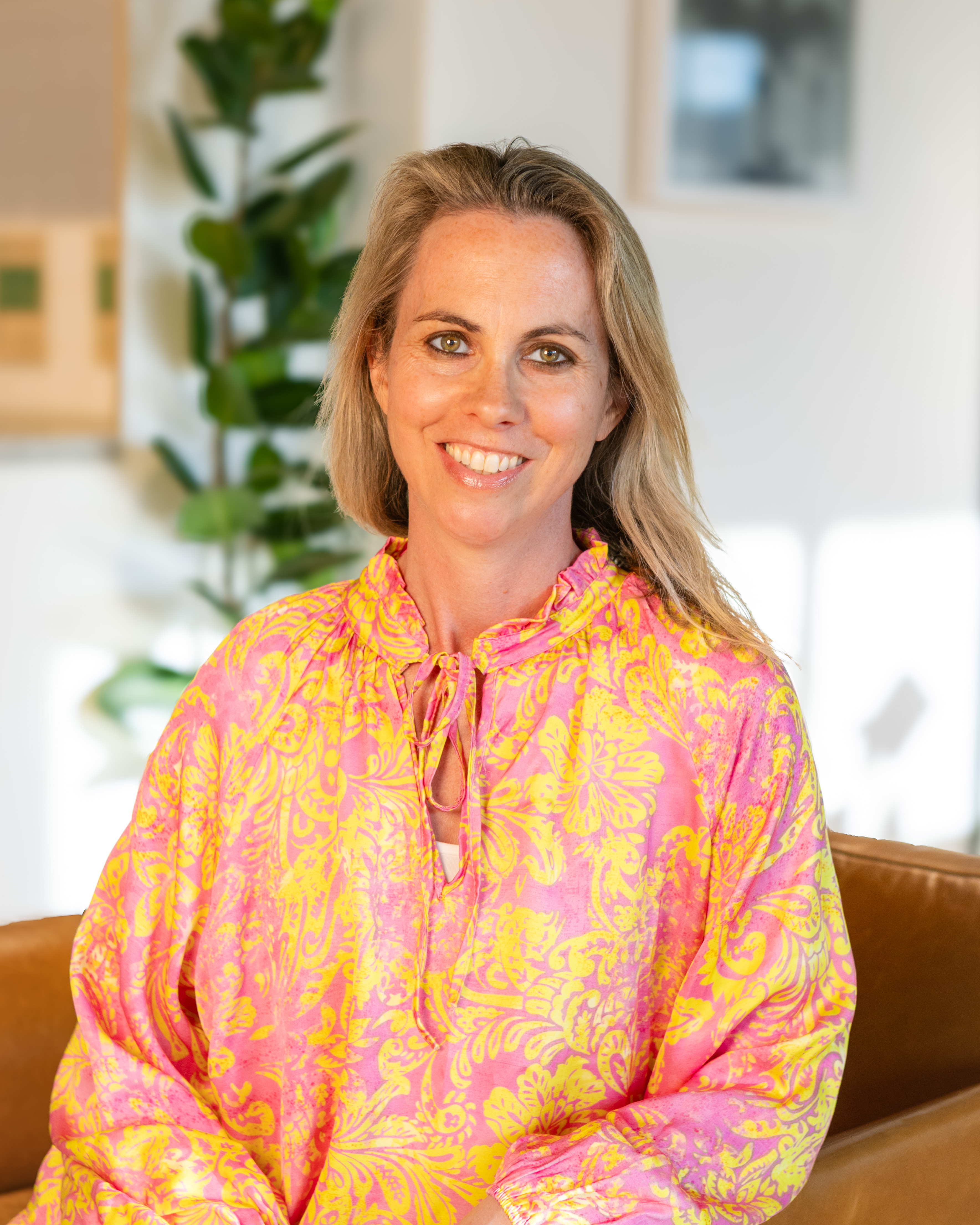
Tessa Clarke is the co-founder and CEO of Olio, the circular economy app helping people reduce waste by connecting them with their neighbours so they can give away their spare food and household items. Since launching in 2015, Olio has grown into a global movement with almost 10 million users, redistributing more than 150 million meals and 16 million household items.
Tessa is a TED speaker, ambassador for the Better Business Act and advisory board member for Stop Ecocide International. She is passionate about harnessing technology, community and the power of small actions to tackle some of the world's biggest environmental challenges.