102. Greenwashing exposed - what Adidas, Uniqlo and Calvin Klein got wrong
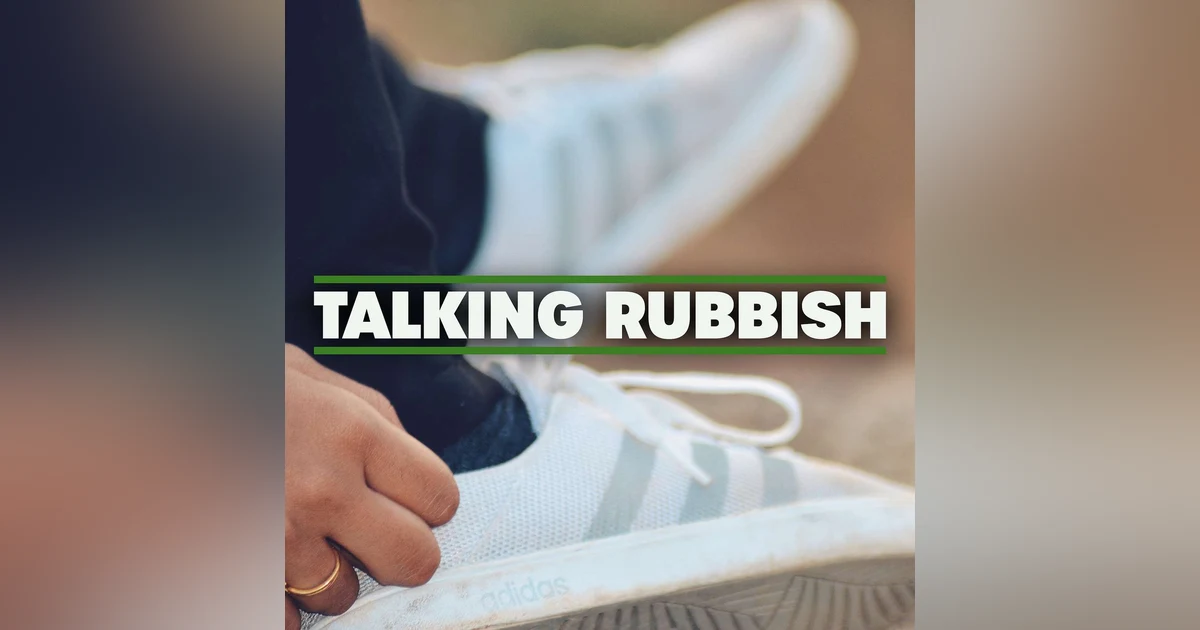

Last month Adidas, Uniqlo, and Calvin Klein all came under scrutiny for making misleading environmental claims. What did they actually say and what do these cases reveal about the future of sustainability marketing? This week, we take a deeper look at greenwashing, unpacking why environmental claims in the fashion industry are so difficult to get right. We explore what brands can learn and how sustainability messaging will need to change in the years ahead.

 Apple Podcasts
 Spotify
 YouTube
 Amazon Music
 Castbox
 Podcast Addict
 PocketCasts
 Last month Adidas, Uniqlo, and Calvin Klein all came under scrutiny for making misleading environmental claims. What did they actually say and what do these cases reveal about the future of sustainability marketing? This week, we take a deeper look at greenwashing, unpacking why environmental claims in the fashion industry are so difficult to get right. We explore what brands can learn and how sustainability messaging will need to change in the years ahead.
Plus, is a BBQ regulator rubbish or not, why is Sainsbury's moving to white eggs, how will toothpaste be packaged in our dream supermarket, and are we boring for wanting our lettuce to look like...lettuce?
Join hosts James Piper and Robbie Staniforth as they delve into the world of recycling, hopefully having fun along the way. One thing is for sure, they will talk absolute rubbish from start to finish.
Please take a moment to complete the Simpler Recycling tracker
We would love you to join our community on Discord
Special thanks to our sponsor, Ecosurety
To get exclusive videos and clips, follow us on Instagram, TikTok, Threads or Facebook; @rubbishpodcast or YouTube: @talkingrubbishpodcast
Or you can contact James and Robbie with questions or just general rubbish musings using the email address talkingrubbishpodcast@gmail.com or by texting them via WhatsApp on 07356 069 232
Relevant links and reports mentioned in the programme can be found on the Talking Rubbish Linktr.ee
Transcripts and episodes can be found on the Talking Rubbish website
Timestamps:
What Adidas, Uniqlo and Calvin Klein got wrong - 02:47
Additions and corrections - 31:57
Rubbish or Not: BBQ regulator - 36:15
Rubbish News - 41:10
Why are Sainsbury's switching to white eggs? - 45:10
Green Grocer: toothpaste - 48:07
Residual Rubbish - 52:45
Music licence ID: 6WPY8Q4O2RPFIOTL
James Piper
Hello, welcome to Talking Rubbish, a weekly podcast delving deep into the world of recycling and discussing the truth behind snappy headlines and one-sided stories. In this episode, we will discuss recent misleading environmental claims. Is a barbecue regulator rubbish or not? I have a question about Sainsbury's eggs. And how will toothpaste be packaged in our dream shop? I'm James Piper and I'm joined by Robbie Stanley. Good morning, Robbie. Hey James. How are you doing today? Very good, thank you. Oh, that's good. I've been busy this week. Yeah. Yeah, I've been posting books this week. Oh, very good for the hundredth episode. For the 100th episode. Thank you to everyone who's requested a book. Um, and it has been amazing the response we've had. First of all, I just love people asking for books. That's great. That's what we wanted to happen. But also just telling us how much they enjoy the podcast, how much they get out of it. I just absolutely love that. And I've been posting books left, right, and centre. I think uh the furthest might be Australia. Oh, what do you want out to Australia? And so, yeah, as I say, loads of lovely emails, lovely people writing in. We had Leighton. Leighton said the live podcast, the 100, was far, far capital far, smoother than he was expecting. Oh wow. So what expectations were so low that we did better. Don't let Robbie go live. Who knows what he's gonna say? Yeah, that's good. We had Carolyn who was keen to purchase rubbish, rubbish merch. Oh, okay. Whoa. Need to start thinking about how we're gonna do that. God, we're gonna have to branch out into merchandise. Yeah, we had Alex, who was considering a career change because of our podcast. Wanted to get into the word of waste. We've heard that a few times. That was amazing. Very cool. Uh Brynyar, I think that's how you say it, Bryn Yaar, uh, who I think is from Iceland. Uh, because she said she gets her mum to listen, and her mum is in Iceland, and she was wondering if we had any listeners in Iceland. So I had a little look, and we have 104 listeners in Iceland. Whoa. Percentage of population. Very different to the US, I think. It's a high percentage of Iceland listening in. And we had Rob who listened to the 100th podcast on a beach at Gibraltar Point Nature Reserve, and he was listening to episode 100 at 2 a.m. as he watched out for predators infiltrating the last breeding colony of little terns in Lincolnshire.
SPEAKER_01
What? That is absolutely amazing.
James Piper
And then he went on to say, and it got me thinking, what is the weirdest place someone's listened to us? I know we've had a listener in Antarctica, but I forced them to listen. Ah, yes. I'm not sure that counts. Rob to a um in a nature reserve. Amazing. What's the weirdest place people have listened to us?
SPEAKER_01
Let us know, guys. I suppose that is the beauty of podcasts, isn't it? You can listen anytime, anywhere.
James Piper
Back in episode 46, we discussed memorable greenwashing cases. And that has transpired to be one of our most listened to episodes, actually. I had a little look yesterday. It's in the top five episodes people have listened to. I guess people, like members of the public, if they're coming to a recycling podcast, greenwashing is going to be something people are really interested in.
SPEAKER_01
Sure. And people get pretty irate about it, don't they? And they really want to get to the truth behind the snappy headlines. And often these environmental claims are absolutely not the truth.
James Piper
Well, unrelated to how popular it has been, I feel we need to do the sequel. And this is because on the 24th of June, the Advertising Standards Authority published rulings against Adidas, Uniclo, and Calvin Klein over sustainability claims that they'd been making.
SPEAKER_01
Okay, well, I've definitely got an item of clothing from all three of those. Oh yeah. UniClo's just opened in Bristol. Yes, yeah, very cool.
James Piper
I've not actually been in yet, but I do like Uniclo. Very good. Anyway, so today we're looking at what they got wrong and what brands can learn from it. The ASA have been busy, right? All of this on one day, 24th of June.
SPEAKER_01
Yeah, clearly. And the one thing I remember from the first episode, or part one of this, was that I got the advertising standards authority wrong. Yes, which your dad pulled you up on my own. My dad pulled me up on, yeah, that's absolutely right. So it's not an agency, it's an authority. So let's make sure we get the acronym right from the outset. The advertising standards authority. But this isn't going to lead to a boycott of these brands, though. I quite like Uniclone.
James Piper
I don't think so. I think we'll come on to it. I mean, this is a clay, or this is a marketing trip-up that lots and lots of brands and companies are making. So the ASA have been really busy, and on the 24th of June, they actually published a number of decisions on misleading advertising. So on the same day as all of these environmental claims, a company called Park AI got in trouble for distributing adverts inside parking ticket envelopes. So I feel like this is. Can you imagine coming back to your car, seeing a little thing saying you've got a parking ticket and it's in like a proper envelope? And then you open it and it goes, just kidding, but we can help you avoid these parking fines if you oh I was like, yeah, I'm absolutely with you on the misleading advertising here.
SPEAKER_01
I'm not sure if I'd be angry, because obviously it's like anxiety-inducing when you get there, or whether I'd be like really happy with the advert, because it's like, oh great, I haven't got a parking fine. It's something totally unrelated. What a great product.
James Piper
The ASA concluded that it caused unjustified distress to customers, which I think is like rule one of marketing, right? Don't distress your future customers.
SPEAKER_01
Yeah, that's true, actually. Yeah. I'm really angry about something that's not going to make me go and purchase your product.
James Piper
So beyond the causing distress through frightening parking ticket claims to very frightening environmental claims. Oh, very good segue. The ruling formed part of a wider piece of work investigating environmental claims in the retail fashion sector. And I think what was interesting is the ASA had put a thing at the top saying, um, we identified these ads through our active ad monitoring system, which uses AI to proactively survey ads in specific sectors. So the ASA are now using AI to look for ads that might be saying the wrong thing.
SPEAKER_01
Okay, so they're just training it to look through a whole load of websites for the kinds of claims that might be unsubstantiated. Presumably they're training the AI to say, look for these kinds of things. And if they're not making that declaration, then their big bold statement up front is likely to be um full foul of their rules. But surely there's going to be a person behind that that validates it all. This is just how they get all of it into the pipeline. They just scrape masses and masses of data, assumably.
James Piper
Yeah, trawling the internet all the time, looking for things like keywords and things that they have previously said are issues, and environmental claims are obviously a big topic here. But my favorite bit of the ASA introduction to these environmental claims is they said, see also the related rulings published on the 24th of June, 2025. We're in 2026, Robbie. Oh the ASA had a misleading correct?
SPEAKER_01
Well, they just got the date wrong.
James Piper
Yes. I complained to the ASA myself about their complaint wording, and my complaint was upheld because I received an email from Lily in their marketing team very quickly, like within five minutes, saying, Thank you for letting us know you are correct that these dates are incorrect, and we are making those edits now. So, you know, even the ASA can make mistakes, guys. Oh, that's very good. Yeah, the dates have been changed. I checked literally five minutes later, I was very pleased. So well done to Lily and their marketing team. I hope she's listening. Gosh, that's very responsive.
SPEAKER_01
I suppose they've got loads of time on their hands because AI is doing all the scraping that they used to do.
James Piper
Let's look at these three brands and what they did wrong or what they did wrong in the eyes of the ASA and how badly we think they've communicated. I guess I wanted to do it in order of badness. I've used quotations for people not watching us on video. Remember, you can watch us on video on Apple, Spotify, and YouTube. Badness. Badness. So we'll start with Uniclo, which I think is the least bad of the three.
SPEAKER_01
Okay, so we're starting with the least bad. Okay, this is good. I think Uniclo is probably the one, or maybe Adidas, I don't know. Yeah, those are the two probably that I use the most.
James Piper
Okay, but I'm not talking about Uniclo's sustainability claims. I'm just saying on the basis of what the ASA have said. Oh, okay. What that is.
SPEAKER_01
This is what I consider to be the least. Okay, fine. We're not grading these brands. We're just saying about this particular incident that the ASA has investigated.
James Piper
Exactly.
unknown
Okay.
James Piper
So this was from an ad from the from Christmas Day 2025, so 25th of December 2025, where they listed fleececoats and jackets on uh on an ad, and they said it had recycled materials. And UniClo felt that consumers were likely to understand to understand that that did not mean the entire product. So it might just mean the lining or the outer, but it doesn't mean the zip or the complex parts that are part of clothing where you might find it more difficult to use recycled material. So what they'd done is some of the clothes were made with polyester, and that polyester was made from recycled PET. But as I say, it was just really the body fabric and the lining and trim, didn't include things like zippers, labels, all that stuff. And this is where a lot of fashion retailers come unstuck because they don't want to say recycled materials, here's all the things that are recycled. They just want to say this thing contains recycled materials. And the ASA are getting much hotter. Oh no, no, you need to say exactly which bit is recycled.
SPEAKER_01
Yeah, and to be fair to Uniqlo, in their defense, me as a consumer, if it said contains recycled content, I don't think I would assume that it extended to a plastic zip or metal zip or some of the labels, or even maybe the thread that stitched it together. I would probably, especially in a large garment like a jacket or a fleece or whatever, I probably would be thinking that actually it's the main body that's recycled content and the rest maybe not. But I suppose the ASA kind of they're trying to just get really sharp and hot on this. And wherever there's doubt and interpretation, they want brands to be really clear and say, I might be a much more sustainable consumer, so to speak, and more aware of these things than the average. Perhaps the average person would think, no, it says recycle content. So this entire garment is made of recycled materials.
James Piper
Yeah, and I guess where I feel for the ASA here is that they then said to UNICLO, Well, can you tell us what percentage is recycled material? And UNICLO provided all of the technical specification for the product, said, Look, here's all the detail. So they had it. So the question we have to ask ourselves is if you have that information, which is why they're the least bad of the three, because they provided all the information, why can't you just give that to the customer as well? Even if it's not in the ad, having it on the website downloadable so people can understand and see, having it in the first line, so it's like, yes, this is made of recycled material, here's all the detail. Why not include it? I mean, there is a reason that Coca-Cola say this bottle is made from recycled plastic, not including the cap and the label. Yes. You know, they have to say that. So why don't clothing companies also have to say that?
SPEAKER_01
Yeah, no, that's a fair challenge. And we're so used to these like legal disclaimers at the bottom of adverts, particularly in America, isn't it? It's that classic read out the long disclaimer afterwards. And maybe we're gonna shift to a world where marketing does have a bit more of the asterisking read more here, so that we as conscientious consumers can make an informed decision. Ultimately, I think that's a good direction of travel.
James Piper
And the guidance on this is so clear. You can't imply that a product is entirely made of a simple single fabric if that isn't true. And a product cannot be described as recycled or organic if it contains fibres that were not recycled or organic. So they are clear that you know, the non-recycled portion, for you to say something is recycled, the non-recycled portion has to be negligible.
SPEAKER_01
Do you think they're just trying to stay on the very edge of advertising and just stretch the boundaries? And they when they proactively put this advert out, just trying to get into the mindset of the marketeer, are they thinking, oh, we'll just try to get away with this one? Or do you think they are proactively in their own mind's eye thinking there's nothing wrong with this advert whatsoever? People like Robbie, of course, they know that the zip hasn't got recycled content in. My conscience is clear.
James Piper
And what they often say is it's the limitations of the service. So if you're doing like a Google ad, every word has to do something that's gonna cause someone to click on it, right? So if we were doing one for talking rubbish, you wouldn't be like a recycling podcast that's an hour a week that does this, rubbish or not, da da da. You you are you're not getting that specific. You're gonna say it's a recycling podcast, you know, if it's gonna transform the way you recycle. Whether it does transform the way you recycle or not is not really part of our advertising. But there is an argument to say, right, if you're saying that it transforms the way I recycle, then it has to do that.
SPEAKER_01
Yeah, or like quickly transforms the way you recycle, and then you go, quickly, I have to listen for an hour.
James Piper
Exactly. Okay, exactly. And so you because you've got to make every word do something, particularly when it comes to a Google ad, because you've got to make every word powerful, you can see how the powerful bit is saying this clothing is made of recycled material. Sure. And you lose some of that power if you say some of this clothing is made of recycled material. And you're adding some words in that will devalue the ad. So at some point, and I don't know whether it's conscious or unconscious, but at some point you have to make a decision on I want every word to do something because I need someone to click this ad and I need it to be quick to read.
SPEAKER_00
Yeah.
James Piper
And I have this problem with our headlines, like all the time, you know, our headings for our episodes when I'm thinking through what's the heading gonna be. And what's the best example I can give? I had one recently. Um what was the UK specific oh, why your cartons aren't being recycled in the UK, right? Sure. So I had to make a decision. So why your cartons aren't being recycled in the UK is the correct heading for episode 99. Because what's happened is a facility in the UK has closed down. I decided to go with why your cartons aren't being recycled. Now I did that consciously because I was like, well, 80% of our listeners are in the UK. So when they read that headline, they're going to understand it. And within the subtext, I will make sure I'm very clear that it's about a UK facility. But if I add in the UK, suddenly the US listeners don't want to listen to that episode.
SPEAKER_01
Yeah, or the German listeners are like, I can actually recycle my cartons, this is a load of nonsense or whatever.
James Piper
Yeah, so I have this, you know, this exact problem, and I have to think it through every week, and I have to think, am I clickbaiting what we're doing, which is what I don't want to be doing? I always want to be honest in our in the headings of our episode, but equally, I don't want to turn off any listeners, so I try and keep it quite region uh region agnostic or whatever. Yeah.
SPEAKER_01
But now you've got Lily on speed dial, so she can just give you whatever advice you need. Yeah, we'll be calling me ASA to check in.
James Piper
Absolutely. So let's go to second best, second best, Calvin Klein. They had Google ads that said Calvin Klein tops for women, responsibly sourced collections, recycling, organic, and more. You think they would get in trouble for the and more, but that isn't. I mean, and more is so bad, isn't it? Because that sort of is like, well, I'm covered with anything now. I've just said and more at the end of the ad.
SPEAKER_01
Yeah, it does loads of other stuff. I would take that and more to mean it's probably like low water use, low energy use, low carbon. Like and more when it's and I think it is showing things.
James Piper
But it could also be bad stuff. Sure. It doesn't say and more good stuff. It just says and more. And other things. Like it's it's crazy to just chuck that at the end of the ad and then go, well, this covers us for anything, you know, which isn't really what they were doing. But yeah, the and linked to a landing page of women's t-shirts and tops, and they believed that customers would understand that some of these tops contain recycled materials, and some of them contain and more. Whatever that is. There's loads of and more in these. And this is genuinely what they did. So they said, well, look, we've used the word collections in our ad. So people will understand that they are going through to a series of clothes where some are recycled, some are organic, some are and more. Oh, I didn't understand that. No, this is what they said. So again, like UniClove, the percentage of recycled content in these materials um varied from between 20% and 100%.
SPEAKER_01
Okay.
James Piper
So even if you found one with recycled material, it still didn't meet the requirement of the non-recycle bit has to be negligible.
SPEAKER_01
Okay, so they were looking for a catch-all term for something generically greeny and sustainable for this range of t-shirts or whatever, women's wear or whatever.
James Piper
Exactly. And they were the ones who actually referenced the constraints of a paid-for Google ad, saying that they couldn't include the level of detail required. And they did not believe it misled because they couldn't possibly have said this is how much of each collection. The ASA confirmed that none of the tops were entirely made from recycled material. So you can have zips, labels, all the all the stuff that happened with Uniqlo. Which brings us nicely on to the worst Adidas. Okay. Who I think are the worst, and I'll explain why. So this was an ad on the 18th of December 2025, which stated Adidas recycled running shoes. Check out our recycled shoe range today. And they felt consumers would interpret the ad as the shoes might contain or do contain, I'm gonna say might, might contain recycled material. Now, they don't have a recycled running shoe range. So if you sort of run a an ad saying check out our recycled running shoe range. Sorry, you're running a running ad, are you? If you're running a running ad that says check out our recycled running shoe range, you would expect them to have a recycled running shoe range. Yeah, sure. But they don't. What? They have shoes that might contain recycled content. So they don't have like a here's a shoe, here's our specific shoes that are 100% recycled. That doesn't exist. What they've got is a load of shoes, some of which contain recycled material.
SPEAKER_01
Oh, I thought it was like a circular shoe, as in they've ground up an old added ass shoe and made a new one. No. Okay.
James Piper
So so far, this is basically the same as the other two. They've put out an ad saying, check out our recycled shoes. You click through, you don't know how much recycling really is in the shoes. Now they do actually the the the bit that's good on their website is if you click into each shoe and you go into details, it does say if it's got recycled content. And it does say the percentage. So that's and and which area of the shoe the recycled content is. There was one I saw that was like 50% recycled content in the upper of the shoe. Oh, okay. So yes, you could you could find that out. So why, if it's the same, do I consider it the worst? Well, that is because I then spent a bit of time on their website yesterday. You didn't buy a new pair of shoes, did you? I didn't. So what I did was I Google, so I just walked through my workflow. I Googled Adidas Recycled Running Shoe. I came to a web page that at the top said recycled running shoes. And there was a filter. So there were two filters one for shoes and one for recycled content. So it literally that is one of the filters on their website. Okay. Amazing. That's exactly what we want, right? A website where you can filter by recycle content. So I filtered by recycle content and it said 1800 pairs of shoes fit that category out of, I think it was four and a half thousand in total that they sold. Wow, it's quite high. Really, really good. So I clicked through the first eight shoes that I saw on that page to see, because under the details it says how much recycle content. Whether it's in the upper or sole or whatever, yeah. And of those eight shoes, one of them contained recycle content. What? So I turned on the recycle content filter. I had what should have been a list of only shoes that contained recycle content. Only one of the first eight actually contained recycle content.
SPEAKER_01
Oh God. And do we think that's because there's a misdescription in the other seven and it just should say that it contains recycle content? Or is it just that the filter's not working at all?
James Piper
Definitely not because Adidas said to the ASA we list recycle content in all of our shoes that contain recycle content. Oh, okay. So I am very confident that actually these are just tagged incorrectly on their website. But as a consumer, are you really going to go through the what you're going to do is filter. You're going to filter and say, I just want to see the shoes that contain recycle content. You're going to buy a pair of shoes that you now assume have recycled content. And in the eight that I looked in, seven of eight times, you would be buying a shoe that does not contain recycle content.
SPEAKER_01
Yeah, that is definitely misleading. And you would definitely be filtering by that little recycle content filter because you've Got there for the fact that there there is some containing recycled content. It's not you can't even argue that maybe it doesn't really get used. It's like that's the only reason you're there because of the advert.
James Piper
Exactly. And also, this is after the ASA have told you off, right? The ASA have published this on the 24th of June. Oh, okay. This was live. I'm looking at this on the 30th of June. Okay. You know, yesterday, so with the 1st of July right now. Um, I looked at this yesterday, it's still there. So you've been told off, you've had news reports written about you. What's the first thing you do? You make sure your website's correct because you know journalists are now having a look and seeing whether you've made claims that are false. And it is still, and I I'm sure as this episode goes out, it will still be incorrect. Whether they fix it or not after this episode, we'll we will keep an eye. We'll work like the Dunel Mesbestos.
SPEAKER_01
These things just get changed occasionally. But a big company like Adidas, you can't really be too sympathetic for them not changing it quickly. They're massive organization, hugely profitable. I was thinking to myself there, those I mean filters the bane of my life whenever I'm trying to buy shoes or clothes or whatever, you know, the sizes, the colours. You can imagine what colour I filter by, James. Yes. Um You're like Batman, you're anywhere black. And so I'm used to those filters not working particularly well.
James Piper
Like they just wouldn't allow it. As a company, if you filter I want yellow shoes, and the first eight that come up are black, then very quickly someone in the company would say, What's happened here? Yeah. Why why are all the yellow shoes actually black? Yeah, sure. Very quickly, someone would fix that. And a marketing team would be looking at it. Why are they not looking at it with their sustainability claims? Yeah, I know it's not as visible.
SPEAKER_01
Yeah, and I think the quality control on the advert itself would have gone through so many pairs of eyes in terms of making sure that's the very best thing. But then the sort of complementary website where all the information and the consumption happens, they're probably a bit like, oh yeah, sort of good enough, tagged well enough. We don't need to give as much due care and attention as we do to our shiny marketing materials or whatever.
James Piper
Yeah, and I guess all three of these have quite a clear theme, which is a marketing team feel that an ad needs to be snappy and the wording needs to be short, and therefore you can't get into the level of accuracy required by the ASA with your ads. And so you're either gonna have to have a longer ad that says recycle content here's all the detail, or you're just not going to be able to run on those claims. And I think it probably is better just not to run on those claims, just to say, hey, we've got really nice clothes, come and have a look, and and you can then make a decision how you then purchase, and you could skew your ads towards your recycle content still, but you're not putting those words in the ad that's causing people to click through because when people then click through saying, Well, this is what I'm gonna buy, and what they land on isn't what you promised, that I think completely devalues the proposition. And this these marketing teams getting a bit trigger-happy. We heard this very recently in episode 98, where we discussed going plastic thr free, and we discussed how quickly people were keen to say plastic free. And here I have my own complaint, my own situation that I've experienced in the last few days. And I debated very strongly whether I was going to do this on the podcast or not, because I don't necessarily uh have anything bad to say about this company other than when we discussed them in episode 98. But it is a really interesting case study for how companies think. So I am going to share this. Okay. Um and uh uh one of the reasons I feel I'm okay to share it is because it is a public conversation on LinkedIn. So anyone can see this. But basically, OceanSaver, who we discussed in 98, who got in trouble for saying um laundry pods don't create microplastics, they've launched a new bottle, which is a non-recyclable home compostable bottle for cleaning products.
SPEAKER_00
Okay.
James Piper
Okay, now a rigid plastic bottle that will home compost. So there are some people who think this is great. This is what our bottle should do. You know, we don't want to use like traditional plastic, we don't want to recycle it, we want to give it an end of life in home composting. I am not one of those people. I don't I would much rather see my bottles in a circular system that are getting recycled. Now, that's not my problem. My problem is written on this bottle, it says made from plants, and this is not plastic. Okay. Now, without getting into all the boring detail, I then ask them, I ask the company who make it, well, how can you say this is not plastic? Because my understanding is it is. And my understanding is this bottle is made of PHA. And PHA is specifically called out by the EU as a plastic. Okay. So the EU say PHA, and it's a complicated reason for this, it's basically the way PHA is made. It is a copy of something found in nature, but it is made industrially. Okay. So but they do specifically say PHA is plastic. These bottles are PHA. So I then asked the company, well, how can you say it's not plastic if I've got the wording from the EU here saying, to be clear, PHA is a plastic. And they said, well, we just essentially what they said is we disagree with the EU. Because the process used to make PHA is the same as the process used to make vanilla. Vanilla flavouring. Yeah. They use the same process, as in the same industrial process, obviously different, presumably different ingredients. Different ingredients on the same process.
SPEAKER_01
Nice smelling bottle, though.
James Piper
And the EU do allow that to be called natural vanilla. So their argument is, well, with vanilla, it's the same process in the EU say it's natural. But with our process, they say it's not natural, even though we're doing exactly the same thing. Now, this is a really interesting insight to a company who are like, well, we're just going to ignore. We're going to emboss, emboss, not print, we're going to emboss on this bottle, this is not plastic, when it is plastic. Like it is defined as a plastic. And your argument is, well, I don't agree with the people saying it's defined as a plastic because this is how vanilla's made. It's quite a specific and bold argument. And, you know, I agree with them in lots of ways that they believe materials should be judged on biodegradability, toxicity, composition, and and I think there is an argument to say definitely, but the EU maybe are a bit overzealous in saying PHA is a plastic, because it does break down. But you can't ignore the fact that the EU do say PHA is a plastic. And you can't just go around that. And looking at recent ASA ruled it rulings, I would not be surprised if claims like this, and I'm not going to make a complaint to the ASA, and I don't really want any influencers to do it because I'm sharing this as like a good example rather than hey, let's go get them.
SPEAKER_01
Yeah, it's how tricky it is, isn't it, rather than they're wrong.
James Piper
And yeah, I mean, I think they are wrong. But that's my personal view.
SPEAKER_01
Their approach, I suppose, is wrong. What they should be doing is trying to get the definition reworked.
James Piper
I mean, you could put out this product without embossing on it, this is not plastic. Sure. You could say plant-based. You could say um home combustible. There's loads of things you could say that are accurate. But you saying this is not plastic, I think opens you up to a claim. And personally, I think once again, this is risky for Ocean Saver. What you really don't want is the ASA coming and saying, no, no, it is plastic. Because then not only have you had to Well, actually, no, that's interesting. I was about to say, because then you get all the bad credit, um, bad um publicity. But actually, I don't think that's true. I think all three of these companies, while they have had bad publicity and news stories about this, far fewer will see that than have bought the clothes.
SPEAKER_01
Sure, yeah, it just flies a bit under the radar, and all publicity is good publicity. Here we are talking about Adidas, Calvin Klein, and Uniqlo. They're probably thinking the half of the story is they're trying to include recycle content in their products, and that they're right. It is half of the story, even though ASA would like the average person and consumer to focus on the fact that they were wrong, it is misleading. I don't necessarily think that is the effect that it has.
James Piper
So I think what I'd be saying to the brands listening is can we encourage marketing teams to not just try and find loopholes? And really, all of this is examples of not good sustainability communication. It's marketing teams asking, what is the most ambitious thing we can get away with? What is the cleanest, clearest message we can get away with? And regulators are increasingly asking a different question, which is what do consumers understand from what you're saying? And with the ASA now using AI to proactively scan adverts, those kinds of claims are much more likely to be spotted than they were a few years ago. So I'm giving really simple advice to brands. Don't look for loopholes, be clear. And if your environmental claim needs three paragraphs to explain to a consumer, it probably shouldn't be the headline in your ad. You know, if you know that by putting this tiny little Google ad out, to back it up, you would need a whole page of documentation. Don't use that as your ad. Additions and corrections. Ten episodes ago, in episode 92, we answered a question about litter picks. Oh yes. And I went through the litterpick process in Bristol. So there was a bit on and they had a form, if you remember. So there was like um there were five steps to the litterpick process, and one of them was to fill in a form to say you were going to do a litterpick, and then after the litter pick to say where to the bags were.
SPEAKER_00
Yeah.
James Piper
And I jokingly actually, I don't think I was joking, but I just randomly said, this is the perfect use for what three words. Because what they'd said is when your litterpick's finished, let us know what street you're leaving the bags on. It's like, come on. Which end of the street? Where are you gonna find them? How do you know it was the litter pick? So I said, well, what you should do is have what three words. And then after the litter pick, someone can go, I put the bags exactly there. So for people who don't know what three words, it divides the world up into is it one meter squared? Yeah. And then it gives you a three-word uh three words for that one meter squared. So you can get hyper accurate in terms of where to meet or where to leave something. So we know Bristolways listen, but I will always be excited if they just react to my off-the-cuff comments. And sure enough, I got an email into the bin box from Dagma. So thank you very much, Dagma, for this, asking if I had noticed the addition to the litter picking form. And I went and had a look. And the form now says, please be specific about where you left the bags, a postcode, street name, or what three words would be very helpful. Oh, that's cool. So now they are encouraging people to use what three words. Oh, well done, Bristol Waste. Thank you so much for doing that. And last week we talked a lot about hummus lids. Too much. Oh, just about a man, I think. But I suddenly realised as I left the recording, I thought, I've got this new love for bold bean.
SPEAKER_02
Yeah.
James Piper
You know, which we talked about a few episodes ago. Why am I not making my own hummus? I've started making my own bread to avoid plastic wrapping around bread. Why can't I make my own hummus? Oh. And so I had a jar of chickpeas, as you would expect, a jar of chickpeas in the fridge, have some tahini, a bit of lemon, mixed it all in a blender. I have made the nicest hummus that I've ever made. Really? You know, like when you go to a restaurant, they said that really posh hummus, like silky.
SPEAKER_01
I know it, yeah.
James Piper
I made that. I mean, I've made far too much, so I've frozen a load of it. Oh, right. Yeah, yeah, I'm sort of hummus for like. Have you got a lidded container to put it in? I'm using the ramekin jars. Ramekin jars, Pringles lid. Great. Oh wow. It's all there. So uh join me each week as I learn to become a proper adult on Talking Rubbish. We'd like to take a moment to thank our sponsor, EcoSurety, who are on a mission to rid the world of unnecessary packaging. They help brands navigate the tricky word of extended producer responsibility, but that is not all. They also collaborate on some incredible recycling projects and consumer awareness campaigns for those tough to recycle materials. If you're an organization looking to make smarter packaging choices, check them out at ecosurity.com. And the best thing you can do to help our podcast grow is to tell your friends and family about it, or you can leave us a review. And if you do that, you could be Robbie's review of the week.
SPEAKER_01
And this one comes in from Nathan on Castbox. It's not often we get too many on castbox. It's a lesser, lesser spotted one.
James Piper
No, yeah, castbox. A cast box comment is always lovely. So yes, we've had a couple, but definitely not many, nowhere near as many as Apple. Okay, well, there we go.
SPEAKER_01
Genuinely one of my favorite podcasts. James and Robbie make recycling and waste surprisingly fascinating with practical advice, myth busting, and plenty of humor. It's completely changed how I think about what goes in the bin. I've even got my five-year-old daughter interested in recycling too. Every episode teaches me something new. Highly recommend. Very good.
James Piper
Thank you, Nate for the review. So you can follow us on social media at rubbishpodcast. You can email talkinrubbishpodcast at gmail.com or you can WhatsApp us. Also join our Discord, it's the easiest way to engage with us and listeners of the show. And the link to all those things is in the show notes. Rubbish or knots. So this could be perceived as a moment where people think we've run out of rubbish or knots. Oh really? Because this is very, very niche. But sometimes you just have to explore the waste that appears in your own life. Oh, okay. For me personally this week, that is a barbecue regulator. Oh, okay. Look at that there. I mean, if you're on video, you're in for a treat. Barbecue regulator. So, I mean, I'm hoping people know what this is, but basically it's the bit that goes between your gas canister and then the barbecue. So was there a failed barbecue last week when you realised it was broken? I realised very quickly because the barbecue got to about 500 degrees in about three seconds. Oh god, okay. I was like, that sounds very loud. And oh my god, this barbecue is hotter than the sun, to quote Alan Partridge. So yes, I realized the regulator had broken, so I ordered a new one online, and now I have successfully So it wasn't regulating anything, it was just letting the gas straight on through. Flowing the gas. So this is a broken one. Okay. And I thought, what the hell am I gonna do with this? Where does it go? Robbie, what do you reckon? Rubbish or not?
SPEAKER_01
I mean, I'm looking to dismantle the thing. Take the pipe off the metal. Yep. I think that's what I would be doing. Um it's sort of a little clip there that you can unscrew, isn't it?
James Piper
Yeah, you could definitely get you could definitely get the pipe off, yeah.
SPEAKER_01
Yeah, sure. So I'd take the pipe off, I'd put the big chunky metal regulator bit in the mixed metal recycling. At my local recycling centre, council recycling site, I don't think I'd be putting that in packaging metal recycling at the curbside. Um the pipe. Oh, I don't think the pipe's recyclable, is it? That sort of flew rubber pipe.
James Piper
You put it in with your hot water bottles. Oh yeah. Don't because we don't know where hot water bottles go. We never solved that. What about the tyres? You can recycle your tires and rubber, rubber will forever be the nemesis of this podcast. I just said hot water bottles can be recycled, and then obviously Bristol Waste were like, No, they can't. Then I was like, Well, where do they get it? So for new type new listeners, go back and hear about hot water bottles because we still don't entirely know what to do with them.
SPEAKER_01
Yeah, I think we're saying rubbish on rubber. Okay, so rubbish on rubber, metal in the metal recycling. Yeah, but not your home metal recycling. Yeah, so I'm gonna go with overall rubbish because it has that element that's just impossible to recycle.
James Piper
Okay, yeah. I I I potentially agree with you. I mean, and also the metal bit is quite complicated because I think within it it's gonna have non-metal parts to make it work. Sometimes, isn't there? There's gonna be seals in there, there's gonna be all sorts of things to regulate it through. So I think when you go on websites, people say, look, they're really difficult to recycle. Now, I wasn't prepared to take that for an answer, so I actually went to my local recycling centre yesterday. I was like, I'm just gonna do a field trip rather than ringing up Bristol Waste, which is what I normally do. Why don't I actually just go to the recycling center and see what they say? And so I arrived, and the guy I spoke to um actually said, I've got a question for you. Just as I approached him. For you? Yeah, he went, I've got a question for you. Where am I from? Everyone's been getting it wrong today. And I was like, I have absolutely no idea. But I also have a question for you. And um, so we ended up with this like whole quiz thing going on. Okay, so you were just asking each other various questions. Yeah. He started asking me questions, I then asked him questions. Anyway, he said, put the whole regulator, including the tubing, in the metal recycling bin. He said we do it based on value. So whatever we think is the most valuable part of the component, he said you don't need to take the rubber rubber hose off. Okay. The metal is the most valuable part, put it in the metal bin. Now, I'm not sure I agree with him. I think I would cut off the rubber tube as well. But that's boots on the ground advice.
SPEAKER_01
I mean, this is sort of how like a washing machine that has hosing in it and stuff gets recycled. And and you would just, I wouldn't dismantle the rubber hosing from a washing machine. I'd just drop the whole thing off at the recycling centre. So I can sort of see the logic in a way. What did he then say when you were like, Fooled you, I'm actually taking it home?
James Piper
I made sure to ask. Yeah. I made sure. I knew you were gonna ask me that. I made sure to ask somebody who was quite far away from the metal bin. Because I was like, if he stood next to the metal bin, he's gonna be like, Why did this guy just throw it in? So I had to Did he not trust my advice? I asked someone over by like the general waste bin, knowing they wouldn't say put it in general. Okay, very good. Rubbish news. So, my rubbish news today, I thought what I would do, because a while ago we put in this simpler recycling tracker. Yeah, we said, could we get B influencers filling in a form to tell us what their council's doing around simpler recycling? And the link to that form's in our show notes if you want to fill that in. But I thought, hey, let's do a midpoint update.
SPEAKER_01
Let's That's just coming from residents, people around the country. We don't need the councils to fill them out themselves. It's just you live somewhere. How do you recycle?
James Piper
I just thought, I wonder if there's any interesting stats here. So um we've had almost 100 people fill it in so far, and we've had 68 councils represented. So we're doing quite good, quite, quite well in terms of the spread of councils. Um, at the moment, people are saying so most councils, 98.8% collect paper and cardboard, 96.5% collect glass, 89.5% collect metal, and 95.3% collect plastic. I'm quite surprised by that because you would think it was 100% collect paper and card, and 100% collect metal, but yeah, according to ARB influencers, that is not the case.
SPEAKER_02
Wow, okay.
James Piper
93% collect garden waste, which is I thought was very high. Yeah, that is high. But around 90% charge for it. Uh fine. I guess that's why. And then you end up with at the moment, at the point that we were doing this form, so over the last few weeks, 66.3% were collecting food. In terms of colours, the paper bin was usually blue. Oh. I think it was over 60, uh it was about 60% of paper bins that were blue.
SPEAKER_02
Okay.
James Piper
Like Bristol. Bristol's blue, yeah. Uh, people who had glass, metal, and plastic bins, the colour was much more varied with blue, green, and black taking the lead. So those three colours, and the food waste bins were mostly brown or green. Oh, very good. Interesting results so far. And if you haven't had a chance to fill it in yet, the link is in the show notes. Very good.
SPEAKER_01
Well, funnily enough, that relates to my rubbish news this week. Um, because the news is that PAC UK, the UK scheme administrator for packaging extended producer responsibility, have just released today, in fact, it hasn't even come out at time of recording, their new guidance for the recyclability assessment methodology for 2027. And basically, this is uh showing that PAC UK are staying up to date as recycling changes come through. They're updating their definitions to say what is and isn't recyclable as some of these simpler recycling changes get rolled out. So things that weren't previously defined as commonly collected will soon become commonly collected. However, there is a bit of a time. So, what they've come out and said is that they need information that it is actually being collected at scale before they can change this recyclability assessment methodology. So they don't just want to say, for example, this time next year, on April the 1st, flexible plastics legally needs to be collected from everybody's homes. That doesn't make it suddenly commonly collected overnight, it ticks over. There's going to be time for it to trickle through to scale up to more than 75% in that example before they will define it as commonly collected. So what we can see from this news and how they've updated it, the more detail will come once it's actually been released and we can communicate that. But the great thing to see is that they're really changing things on the fly and keeping things up to date, as hopefully recycling and particularly recycling of packaging increases immeasurably over the next few years as items that were previously unrecyclable suddenly become doorstep recyclable.
James Piper
Rubbish question. So last week we talked about eggs in Greengrocer, and I had a little anecdote that I told about Sainsbury's eggs that had to be cut for time. Because as I said in our live episode, we never let an episode go longer than an hour. So sometimes we have to cut anecdotes. And I thought, actually, this is worth us discussing. So I'll spin it into a rubbish question. Oh, very clever. Okay. So the question I'm asking myself to shoehorn in this anecdote I told last week is why are Sainsbury's moving to white eggs?
SPEAKER_01
I don't know, James. We've never spoken about this before. Why are they moving to white eggs? We didn't go through it in any detail, I'm asking. We didn't actually. I sort of got the general gist of it. But to be honest, I've slept since then, so I've forgotten.
James Piper
This could also be rubbish news or an additional correction, but let's turn it into a question. So, yes, Sainsbury's are transitioning from so this is their own brand from brown eggs to white eggs. And it's a very, very, very interesting story.
SPEAKER_01
And this is the shell you're talking about. Yeah, this is the shell we're talking about. We're not getting brown yolks, are we?
James Piper
That's right. And this is to reduce supply chain carbon emissions. So Sainsbury's have a big thing about reducing the carbon emissions around their whole supply chain, as all supermarkets do. Sure. And moving from brown to white eggs will reduce carbon emissions by 12.7%.
SPEAKER_01
Ah, okay. And so why is that? It's the breed of bird or something, is it? That's basically it.
James Piper
The white feathered, so it's a white-feathered hen, so white leghorns is the example they gave.
SPEAKER_01
Okay.
James Piper
And these hens, so the ones that produce white eggs, are smaller. Okay. They live longer and they require less feed. So um so when you look at it in the whole in the round, they end up being a much smaller or 12.7% smaller carbon footprint, which is really interesting.
SPEAKER_01
But are they making an environmental claim on this basis, or was it just a press release that you picked up about this? Or have you just noticed it in the supermarket? No, it was a press release that they issued. Okay. Um but it wasn't advertising like our eggs are now 13% more sustainable than the old ones, or whatever. But I saw not as an ad. No, I haven't seen it.
James Piper
No, not as an advert. I mean, they may have done, but I think it's more just and I I've I've long admired Sainsbury's for this stuff because I think Tesco take the lead a lot on packaging. Yeah. But Sainsbury's do do innovative stuff. Weren't they the first to move to vacuum-packed mints? Yes. That was like a big thing, and everyone complained about it, and we'll talk about that another day. But they move to vacuum-pack mints. And they do, rather than just saying to their suppliers, you know, let's let's work out the best packaging. They I think they're quite innovative in terms of going, no, actually, we're going to do something different to everyone else. And I think that is, they should definitely be commended for that. Green Roser. So this is the part of the podcast where we are designing a dream supermarket. We're basically taking an item a week and deciding what packaging it should be in. So week one we did cheese. Last week we did eggs. That's what led to the rubbish question. And today, Robbie, what item are we packaging up?
SPEAKER_01
Well, I've realized we've got to appease the vegans and move away from those animal products. And we're going to go for toothpaste.
James Piper
It comes up all the time on Discord. Oh toothpaste. And someone actually very recently, D123, I think, from memory on Discord, um, made three points. So they said, why can't we go back to using aluminium tubes? Surely that was more recyclable than a monomeroplastic. Okay.
SPEAKER_01
Like the sort of um, what's it called? Tomato pure. Yeah, like tomato pue.
James Piper
Okay, so let's get through that first. I think monomer plastic is better than aluminium in this use case. Okay. Because I think if you have aluminium, you're gonna have to have a plastic liner anyway.
SPEAKER_01
Okay, and wasn't D123 saying that the great thing about the aluminium one was you could squeeze it all out really easily. And my personal view is that actually these monomaterial plastic toothpaste tubes are really easy to squeeze the last bit out. Like much easier, you know, when you run your hand along the whole tube to get it right to the end and push that very last bit out. I've got a toothpaste tube that I thought was gonna run out probably about three weeks ago, and it's still clinging on. I'm still getting toothpaste out of it. So my experience. Your teeth are looking more yellow, though. One more day. I have a teeniest bit of toothpaste. It's supposed to be pea-sized Robbie, not a grain of sand. Um, but I must admit I've had a different experience of that. The older sort of multimaterialed ones weren't quite as stiff and as easy to push that last bit of toothpaste out. So I think that is quite important for the environmental credibility of the product. Yeah. How much do you waste at the end of it is quite an important part.
James Piper
Okay, so we're happy with the monomo plastic in that regard. Yeah. Then my personal pet peeve, which I agree with D123 on, which is why do they put it in boxes? Oh, yeah. No reason. Audi's own brand is sold loose. There's no reason to put it in a box other than it stacks on a shelf easier to transport. But chuck it in a bucket. Like I I think it's crazy that they're putting and it is purely a marketing thing. So in our dream shop, so far, with modern plastic, no box. No box.
SPEAKER_01
No box, you don't need it. Yeah, just like cleverly stacked. There must be a way to kind of tessellate them on the shelf or something in some aesthetically pleasing way. Or chuck it in a bucket, as you say.
James Piper
And D123, I mean, first of all, it's been super helpful here, because they're guiding our guiding our process. In fact, I'm gonna set up a bid on Discord because I haven't done this yet. I'll set up a bid on Discord called Greengrocer. Okay. And then if anyone has something they want to talk about, they can put it on there and give us some thoughts. Because that's actually good example. This section is great for crowdsourcing.
SPEAKER_01
Oh, it's brilliant. So I'm gonna do that. And I'm supposed to research it. So we really do want this crowdsourcing.
James Piper
And then finally, D123's point, which I again completely agree with, is there's waste material and having smaller tubes, so like 75 mil, and we know that as we discussed the tube-based episode, they're harder to recycle.
SPEAKER_01
Okay, packaging to product ratio problems. We hate travel size. What do we think the minimum size is? But the thing is, to get it on an aeroplane, it has to be under 100 miles. Okay, fine.
James Piper
I hate travel size. And and also just like uh that's a load of rubbish because, like literally, because when you're buying the travel size, you're normally at the airport past security anyway. When you can have anything, you can buy a litre of vodka. So, like, why can't you just have a litre of toothpaste? Yeah, okay. That's very litre is probably a bit much.
SPEAKER_01
Yeah, okay.
James Piper
So I don't know uh what's a standard toothpaste? 150 mil. Let's say we have a minimum, whatever the standard toothpaste size is, okay. That is now our minimum. Okay.
SPEAKER_01
You can get 75s that are quite big. I think it's 25, is those very little. But we want to no, we want to be big and big. Okay.
James Piper
So dream supermarket is unboxed, minimum 150 mil. Yeah, okay, fine. And monomaterial plastic. Great. Residual rubbish. This is something that has happened to us this week that has made us feel like an emoji. I mentioned last week about the planning permission. Oh, yes. And uh and how we'd had to. You've got a backlog, haven't you? I said I had a backlog. I actually only have two. This is the second one. Okay, so this is the last of it. Yes. For now. My planning permission sailed through. They were like, it's good. What you've asked for is fine. So it sailed through the Bristol Council website with one recommendation.
SPEAKER_01
Yeah. Better waste management. Please.
SPEAKER_00
Oh, that's amazing. Oh, that is brilliant. Who is it at Bristol City Council? They saw your name on it. They must have.
James Piper
They don't know who we are at Bristol Council, I don't think. Are you sure? The one recommendation they made was this applicant has not put enough space in their planning permission for bins. And we require all new planning permission applications to have a specific space for the recycling bins and general bins to meet the quantity of bins that Bristol Waste provides. And unfortunately, in the plans that I submitted, because these are plans for my house, we did not include anywhere. And here's the bin storage zone, even though that's the bit I'm most excited about. I'm absolutely dreaming up a whole new bin storage zone next to recycle storage zone. So, what is the ashamed emoji? Yes, I'm feeling ashamed, embarrassed. The person who cares about recycling as much as anyone in Bristol was called out in their planning permission for not having space for recycling wins.
SPEAKER_01
That's funny. Um, my one. Yeah. So the this is a World Cup related one. And my initial reaction when I saw this one is probably anger. But I'm gonna flip that to curious because I don't know whether my anger is misplaced here. Have you seen this? The football-shaped iceberg lettuce at Tesco that has the pattern of a football printed outside it on the plastic packaging. I have seen this. Okay. I have seen this.
James Piper
They're using it in an ad. There's an old Tesco ad at the moment where it's like, you'll know the World Cup's on, or like there'll be signs the World Cup's on, and you know, there's someone's scanning through the iceberg lettuce that looks like a football.
SPEAKER_01
Yeah, and it's sort of like uh at first I was like, oh, it's a bit of fun. And I was like, why are they printing on this packaging? And then I think it's sort of like is anyone buying an iceberg lettuce to take to their watch party and it be like a centrepiece of the watching the footy with friends and family? I didn't think that was particularly the item that you would go for. I assume they've just gone for it on the basis that it's round and maybe they've got an overstock of iceberg lettuce that they're trying to get rid of. Explain it to me. What do you think?
James Piper
I definitely think um we could come across as party poopers here, so we have to be careful. Look, we love it, look, it's fun, right? It's fun. But there is an interesting conversation that comes out of it because fruit and veg is not really branded. It's one of the very odd things that there is not really branding around. No, there isn't.
SPEAKER_01
Yeah, and maybe tomatoes occasionally, a little bit of these are fancy tomatoes, but generally it's either unpackaged or just a clear wrap around it saying what it is with a barcode.
James Piper
Exactly. And because there's no branding, there's no like brand that you think of. Yeah. Although maybe for banana, what was it for bananas? Del Monte or whatever. So there are some, but mostly we don't really think of a fruit and veg brand. They generally don't get advertised.
SPEAKER_01
Yeah.
James Piper
And they get advertised if they have to, because the government says advertise fruit and veg. But there's no adverts that's like, and buy our pepper compared to someone else's pepper. Sure. That doesn't really exist. And so it is interesting to have this. I think because of that, they use clear LDPE and it's easy to recycle. And you put print on it, you are increasing its environmental impact. Maybe just a tiny bit, but you are increasing its environmental impact. And as you said, does this really drive anyone to buy an iceberg lettuce? Are they walking around going, God, I wasn't going to buy that lettuce, but it looks like a football and now I've got to get one? I just don't see that happening. And so while we don't want to come across as party poopers, I do think there is a very necessary conversation of should we print on what is traditionally a clear plastic that's super easy to recycle, should we have that additional environmental impact as a bit of a gimmick that isn't really driving any sales, that isn't proving that your product's better than someone else's product, all those kind of things that print is usually used for that I fundamentally disagree with as well. You know, the marketing of using print in marketing. But that's the reason to do it. I wouldn't do it just to celebrate the World Cup, but then that makes us sound really, really real party foopers.
SPEAKER_01
But come on, I I think it's justified to be angry about this. It's nonsense that we don't need. It then did trigger me into thinking what item might you buy for a watch party that's spherical that you could package with this type of packaging. And the one that I came up with was a watermelon, like a melon, chop up the melon, everyone's eating pieces of melon. But then I suddenly thought they never have any packaging. Add packaging to a watermelon. Sprint directly onto the watermelon. Oh, it's a sort of hexagonal kind of tessellation onto it or whatever, maybe. That'd be good.
James Piper
That's not going to affect the food waste. Yeah. Put some vegetable-based ink on your watermelon would be fine. Yeah, that would be very good. Let's just do that. As always, thank you all for listening. Thank you for the reviews and engagement. We absolutely love getting the opportunity to do this podcast both audibly and visually now, which is super exciting. We hope you're enjoying watching it if you have the chance to do that. Join our Discord, follow us on social media at rubbishpodcast. You can email talkingrubbishpodcast at gmail.com or you can WhatsApp us. And everything we've discussed today can also be found on our link tree, and the details to all those things can be found in the show notes. There is nothing left for me to say other than see you next window.
SPEAKER_02
Bye.
James Piper
Bye.