99. Why cartons aren't being recycled
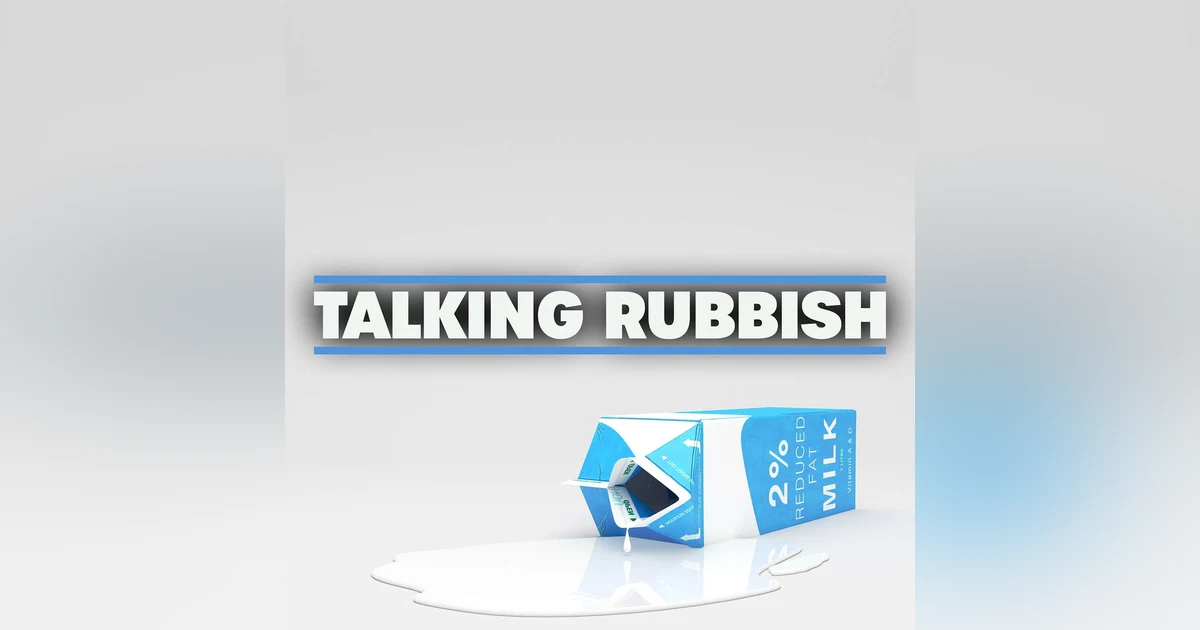
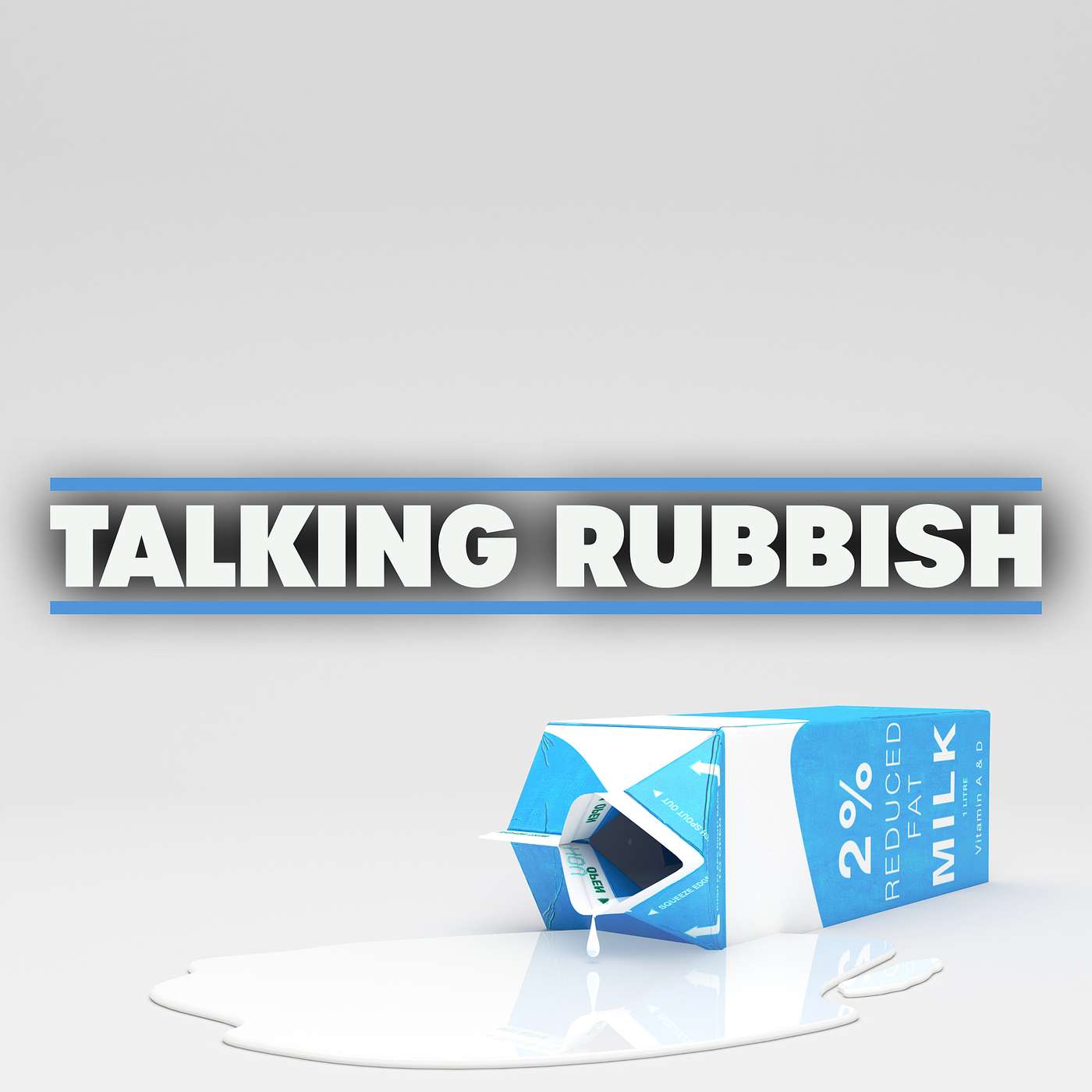
Cartons are a staple of everyday life, but they're far more complicated than they appear. Made from layers of paper, plastic and sometimes aluminium, they're designed to keep food fresh and lightweight to transport, but that same design makes them challenging to recycle. Following recent news that the UK's carton recycling capacity has taken a significant hit, we explore why cartons became so popular, why they're often seen as a sustainable packaging choice, and what really happens after you ...

 Apple Podcasts
 Spotify
 YouTube
 Amazon Music
 Castbox
 Podcast Addict
 PocketCasts
 Cartons are a staple of everyday life, but they're far more complicated than they appear. Made from layers of paper, plastic and sometimes aluminium, they're designed to keep food fresh and lightweight to transport, but that same design makes them challenging to recycle. Following recent news that the UK's carton recycling capacity has taken a significant hit, we explore why cartons became so popular, why they're often seen as a sustainable packaging choice, and what really happens after you put one in the recycling bin. Plus, are energy gel wrappers rubbish or not, are heavily printed cans recyclable, and is Robbie listening to Talking Rubbish in the gym?
Join hosts James Piper and Robbie Staniforth as they delve into the world of recycling, hopefully having fun along the way. One thing is for sure, they will talk absolute rubbish from start to finish.
We would like to have an evening Talking Rubbish to celebrate the official release of our 100th episode. We are holding it at Artists Residence in Bristol on the evening of the 25th June (from 6pm), to let us know if you can make it, book your place on Eventbrite
Please take a moment to complete the Simpler Recycling tracker
We would love you to join our community on Discord
Special thanks to our sponsor, Ecosurety
To get exclusive videos and clips, follow us on Instagram, TikTok, Threads or Facebook; @rubbishpodcast or YouTube: @talkingrubbishpodcast
Or you can contact James and Robbie with questions or just general rubbish musings using the email address talkingrubbishpodcast@gmail.com or by texting them via WhatsApp on 07356 069 232
Relevant links and reports mentioned in the programme can be found on the Talking Rubbish Linktr.ee
Transcripts and episodes can be found on the Talking Rubbish website
Timestamps:
Why cartons aren't being recycled in the UK - 05:31
Additions and corrections - 29:00
Rubbish or Not: energy gel wrappers - 38:53
Rubbish News - 44:30
Are heavily printed cans recyclable? - 49:01
Residual Rubbish - 53:02
Music licence ID: 6WPY8Q4O2RPFIOTL
James Piper
Hello, welcome to Talking Rubbish, a weekly podcast delving deep into the world of recycling and discussing the truth behind snappy headlines and one-sided stories. In this episode, we will discuss why cartons are now less likely to get recycled. Our sports shell rappers rubbish from it, and I have a question about whether cans with textured printing can be recycled. I'm James Piper, author of the Rubbish Book, and I'm joined by Robbie Stanaforth. My far from rubbish friend. Hey James. How are you today?
Robbie Staniforth
Oh, excited. Number 99. Can't believe it.
James Piper
I know we're there. We're there. And um it's gonna be a bit weird, isn't it? Because if you tuned in live for episode 100, that was yesterday. Um I hope it went well. We're obviously recording this before we do that. Oh god, I am so confused. I'm gonna have to make sure I don't put out the wrong episode because there is a real risk that I get this wrong. But if you did tune in yesterday, you will know that we are in a studio and we've built a studio for our podcast. And if you didn't tune in, you'll see this next week. But that means this is our last recording in our little booths. We're actually gonna be in the same room from now on, Robbie.
Robbie Staniforth
I know, yeah, it's gonna be a totally different dynamic.
James Piper
I'm excited.
Robbie Staniforth
It's gonna be so good.
James Piper
Of course, I'm excited, but we have actually done it yesterday.
Robbie Staniforth
But that's I was excited yesterday, I think. Yeah.
James Piper
Anyway, speaking of live events, I went to an event this week at Silverstone and I had the opportunity to talk about the podcast to a load of brands and retailers. And about 50% of the audience listened, and I hope I convinced the other 50% to listen, which means they'll really enjoy this anecdote because they were there to experience this embarrassment live. Before I get into the embarrassing bit though, although you could class this bit as embarrassing, a lady came up to me as I arrived and said, I love the podcast. Oh, a massive fan. It's so good to meet you, et cetera. It was really lovely. She went, I was actually listening to the latest episode on the way here. Now, at the time, the latest episode was the PRN episode, episode 96. So I said, Oh, what did you think of it? She went, Oh, it's very boring. You have got to love and appreciate the honesty of our influencers. I can't. I loved it. And thank you so much for listening. And I know you enjoy the podcast, and PRNs are not for everyone. We understand that. I feel like we qualified it by saying we're doing this because a influencer has asked for it.
Robbie Staniforth
Yeah, absolutely. Yeah.
James Piper
Anyway, the embarrassing bit other than that is I arrived to do this presentation and I arrived saying, can I add in a slide? And they said, Oh, look, you know, we set it up on the computer, it might mess up the tech. Are you okay not to add in the slide? I was like, yeah, yeah, it's fine. But that meant I did something I've never done, which is I didn't go and look at my presentation. Normally when I arrive at a venue, you just have a quick flick-through, don't you? Just check everything's okay. And I didn't do that because I just uh because I was slightly distracted by the fact that I wasn't going to add this slide. Another reason I didn't feel the need to flick through this is because the organizers had said they loved my slides. So I thought, oh great, everyone's happy. They must be good. Very kind of them. Stand up to do my presentation. I very, very, very quickly realized it was the wrong one. Partly because the slide I wanted to add in was there. What? So I deleted it and then decided I wanted to put it back in. So I just realized very quickly this was a very, very early draft of my notes. Oh. And not the polished, you know, presentation that you would expect from me, Robbie, with lots of videos and nice pictures. Now, it's completely my own fault. I love to play videos when I do I don't really do slides, but what I do is put up loads of videos. It meant the file was like a gig. And what had happened is Google Drive hadn't synced. So it had sent them a very old version, hadn't synced the new version. To be honest, I was quite surprised they said they loved my slides, considering it was four four slides. A blank slide. That was their favourite, Alex. After about 10 minutes of my 30-minute time slot, I reached the end of slide four, which was the blank slide. Couldn't remember a single thing I'd put in the actual presentation, so I just had to own up and say, look, guys, I'm gonna be honest. I don't know if you've noticed. These are not my slides, these are very, very early notes. I'm gonna have to go off and work out what to do next. So could the next speaker come up and then I'll come back up after? And that's what I did. That's amazing. Stepped off the stepped off the stage. Uh luckily I had some people building a studio to hand um who could help me and get me the latest presentation, which was on my home computer. And so they sent it to me. So I reminded myself of my like what I was gonna say, and the audience missed the visual feast that I'd created for them. But I did do quite a good job of describing it. It's like right now you're gonna see a plate of beans from me counting beans when I calculated the kilo bean metric. Can you imagine what a plate of beans looks like? That's what you would have seen right now.
Robbie Staniforth
Oh my word, that sounds like an absolute disaster. You managed to laugh it off though?
James Piper
Oh, definitely. Yeah, it was great. And people said I brought it back. It was fine. Trash ball. It's happened. The carton episode, much requested. People really wanted us to do a carton episode. It's a box, right, Robbie? A paper box? Is that all we've got? Of course not. We've got way more. Because it is not a paper box. The carton is one of the most successful packaging inventions, transforming the way that food was distributed around the world and has become the default packaging for certain product types, I think it's fair to say. And depending on who you ask, it's in the classic talking rubbish kind of pantheon of things we should talk about because it's either a climate-friendly miracle or a recycling nightmare, pretending to be sustainable. So today we wanted to cover where they come from, why they became so dominant, and why they are currently causing recycling headaches in the UK. And cartons have sort of bumped up the list a bit because we have heard some things in the market that we wanted to check out. Those things turned out to be true, and now we would like to talk about it. That's a bit of a teaser for what we might be talking about in this trash talk. Yeah, Robbie, I guess I was interested in what came first. What do you think? So if we're talking about how to package up drinks, then I think we all would agree that the glass bottle came first. But out of TetraPak, aluminium drinks cans, or the plastic bottle, which of those do you think came first?
Robbie Staniforth
Aluminium, then plastic, then the carton. Okay. How is my packaging knowledge, history knowledge? I can't say it's my forte if I'm honest.
James Piper
Uh I will um you're wrong, but uh but I will give you some I'll give you something, because technically the can was first. Putting beer in a can did come first, but I think it was a steel can. I think the first aluminium beverage can was 1958. The first HDPE milk bottle was 1964.
Robbie Staniforth
Oh, okay. I'm going well so far.
James Piper
The first PET bottle, so the standard bottle that you would drink a soft drink out of, was 1973. So you have aluminium can 1958, HTPE milk bottle 1964, PET bottle 1973, Tetra Pack was 1951.
unknown
Oh.
James Piper
Isn't that amazing? I genuinely was quite surprised that TetraPack came before some of these vomits that I think of as quite obvious when it comes to beverage.
Robbie Staniforth
It just seems like quite a complicated format. So I would have thought it was a a later on, because it's not sort of a one material type thing. Although, as we know, aluminium drinks cans famously are not just made of aluminium. So yeah, okay, maybe it makes sense. I I know obviously paper and fibres has been a long-used material for packaging, hasn't it? So 1951. Wow.
James Piper
Yeah, and this is important in the history of the carton because ultimately it was developed to be lighter than glass. And because there wasn't an alternative, because there wasn't an aluminium can or a plastic bottle, it took off because glass was really heavy. And transporting liquid is already expensive because you have the weight of the liquid. Putting those liquids into then a heavy container makes everything just way more costly. So looking for alternatives to glass throughout the 1940s and the 1950s, food manufacturers were quite keen to develop something that was lighter, cheaper, uh more hygienic, easier to transport. This is where a Swedish entrepreneur called Ruben Rousing came into the story and he decided to develop paper carton. He believed paper was the future of food packaging. And so in 1951, his company, TetraPak, introduced a completely new type of packaging. And the original ones were shaped like a pyramid. They were a tetrahedron. The best way to think of a shape is do you remember those ice lollies? They were called sun lollies where you would chop off the top and then you would squeeze the bottom and it would come out. Is that it was that shape, you know, that kind of pyramid. If you lay it down, it would be a pyramid.
Robbie Staniforth
Yeah, it's like a it's an inverted pyramid when you're holding it, isn't it? You're pushing out the big bit basically out of the top. Yeah, I s I know what you mean.
James Piper
That's exactly it. So that was the shape of the original Tetrapack. And the beverage carton that was developed, because you needed to keep it waterproof, because you were putting liquids in it, you needed a layer. And then because you were putting things in it that you wanted to keep fresh, keep safe and sterile, because that's what they were looking to do with the food, they needed another layer to do that. So the carton that we have today is a mix of cardboard, which is the outer, plastic, which provides the waterproof layer, and aluminium, which will provide the oxygen and light barrier. And not all cartons have aluminium, it depends on what's inside of them.
Robbie Staniforth
Yeah, and so when we were looking around, because I was interested in exactly which bit makes up how much, we were looking at how the average percentages of each layer come out. And obviously, as you mentioned, some of them don't even have aluminium, so this is a broad standard, but 75% is generally fibers, so paperboard. 21%, so around 20%, is the polymer, the plastic coating. And generally it's quite a small and thin layer of aluminium, only around 4 or 5%. And that's what the typical beverage carton is made of.
James Piper
I I do find it fascinating that this mix of materials is so often seen as sustainable. I was walking through the airport the other day and there was a stack of cartons of water just past security. So you could just tap your card and get a carton of water, it was next to a refill station. You know, and you could see people buying it, and you could you can just it feels sustainable, doesn't it? Because all you can see is cardboard. And even though I know better, there is something about it that makes you go, oh, it does look better. It does look better than a plastic bottle. I've been I've been conditioned to hate plastic.
Robbie Staniforth
Yeah, that it's just a natural looking material, comes from trees, isn't it? And that's the association that the average person would just make when they're wandering through an airport using a drink.
James Piper
I guess the question I ask is if we shuffled the materials round a bit, you know, let's say we had see-through cardboard. Let's say you could get that. How would people feel about it? Or if the plastic was on the outside, then the aluminium, then the cardboard, how do we feel about it? So there is just something about the order, which is obviously necessary. You need the cardboard on the outside and the waterproof bit on the inside. But there is something about the order, I think, that helps people think it's sustainable. And that's it goes back to those studies where you could take a that we talked about where you could take like a plastic wrap, keep the same amount of plastic, but put some cardboard over it, and people think it's more sustainable.
Robbie Staniforth
Yeah, it's what you see ultimately.
James Piper
And as I said, you don't always find aluminium in a carton. You need it when you want a a long shelf life or you want to protect from oxygen and light. And I guess that brings us to this really amazing innovation that I've never really thought about. Like UHT milk, Robbie. Do you ever think about UHT milk?
Robbie Staniforth
I try and try not to drink the stuff if I'm honest. It's strange how long it can last.
James Piper
Yeah, well, um, when Ellie and I travelled, you know, Ellie is a big tea drinker. She's very classic British. And it was very difficult to get fresh milk around the world. It was something we'd sort of taken for granted. And lots and lots of countries drinking UHT milk. This is ultra-high temperature treated milk. And the carton allowed for this. This was the big innovation that the carton allowed for what's called aseptic packaging. And the concept is really simple. You have a sterile product, so you sterilize the product, you sterilize the packaging, and you bring them together in a sterile environment. And as long as you do that, then no bacteria has got into that packaging. No bacteria is in the product because everything was sterilized through the entire journey. And as long as you have that aluminium layer, you're not allowing oxygen and light in. So you're reducing anything that could grow or anything that could get in there to damage the product. And what that allows you to do is have very long shelf lives because suddenly you've got something that you know isn't going off.
Robbie Staniforth
Yeah, I mean, it's amazing. And just think about the amount of uh energy saved in not having to refrigerate stuff because of this technology that's a bit of a miracle, really, to keep something sanitized and safe over such a long period of time. If we cast our minds back to before that, people would have thought it was crazy to have milk that lasted, you know, months. Uh, never mind weeks.
James Piper
This aseptic packaging brings me to one of the earliest questions we got sent into talking rubbish. I think it was in our first week, actually, which was why do oat milk brands always use cartons?
Robbie Staniforth
Wow, we were asked that question all the way back then, and I still haven't got that personal answer.
James Piper
I have no idea. I think we can say that most oat milk products are in this ultra heat treated category. So I just had a quick look because we've got oat milk here where we're recording, and the carton that the oat milk comes in, it says package date, 5th of January 2026, and it says best before 5th of January 2027. Oh, wow. Okay. That is an oat milk that in theory will last a year.
Robbie Staniforth
Yeah, well, I always take it camping for that very reason that I drink my coffee with oat milk when I'm camping, because you don't need to refrigerate it or whatever. So that obviously bears out.
James Piper
And as a product that's going to be mostly water, they're not going to want oxygen and light getting to that. So it's very different to your dairy milk that you're, you know, you're milking the cow, you're getting it on the shelf very quickly after it's being sold and used even quicker after that. I think with your oat milks and your plant-based milks, they are, I think, in the main using a UHT treatment. And if I'm wrong, please write in if anyone knows better, but I think that's true. And therefore, they need this aseptic packaging technology, which is why they're then in cartons.
Robbie Staniforth
Yeah, and I think if you think back to school and the cartons that your milk was delivered in at school, or certainly mine, that was fresh milk with a short lifetime, and it didn't have an aluminium layer in. It was a very different cardboard carton. It was somewhat flimsier and less rigid, and it didn't have that layer. And I imagine, now learning this, that's probably the reason um why there are a different type of carton to those that you see today for the oat milk.
James Piper
When I was what would it have been? Like 10 years ago, and you know this, Robbie. I moved into a school.
Robbie Staniforth
Oh yes, I do know this.
James Piper
So there was a so in Bristol and around the world, we have this property guardian scheme where you um you look after a property to stop squatters getting in. And it was a really good way to have low-cost rent. And I had no money, and you know, low-cost rent was my primary goal. And so I moved into literally the kids moved out one day from this primary school, and five of us moved in the next day. And I was in what was the equivalent of year one. It was a very odd place to live. I got so many stories I could tell from this school. But the funniest thing was the school obviously hadn't told people that they were moving out. And so for a few weeks after we moved in, we got like we got these three people turned up who went, Hi, we're from Wacky Science here to teach the kids all about science. We were like, Well, there's five of us and we're all adults, and but we are interested. And for a few weeks after, we got the milk delivered. We would get these cartons of milk delivered that I would then have to take to the new school because they just leave it outside the gate. I'd then have to take to the new school that they'd move to, which is just across the way. So for quite some time, I was getting a lot of these cartons of milk from my house. And so let's talk about the recycling because cartons are a bit odd. They're mostly paper, so we all feel they should be quite recyclable. It it is those layers that make it really complicated. And sticking layers together is always going to make paper quite unattractive to a recycler. And so to recycle a carton properly, those materials have to be separated. And that requires specialist equipment, specialist facilities. The way I I think I described it in the book is it's it's basically a longer pulping process. It is more complicated than that. But you know, you're pulping paper down, you're getting into that porridge consistency. Well, if you've got a carton, you've got to do a longer process to separate all the layers, and you've also got to then filter out the aluminium and the plastic. And the aluminium and plastic doesn't have really anywhere to go. I would imagine most of that goes off for incineration. I could be wrong, and feel free to write in if someone knows if people are using the aluminium and plastic, but it's the fibre that these recyclers are mostly looking for. That's where the value is going to come from in a carton.
Robbie Staniforth
Yeah, and coming back to the percentages, you know, 75% of it on average is the fibres. So that's the stuff that's worth going for in the mix.
James Piper
And so for many years, this recycling challenge created a problem in the UK because local authorities couldn't find a place to send cartons. People stopped collecting them. There was this big variability as to whether your council would collect them. And over time, that has steadily improved and more and more councils collect them. It hasn't been all of them until now, because now simpler recycling's here, which is supposed to clear up the confusion of what we put in the bin by asking us to put them in the plastic bin. But hey, we've talked about that. You can head on over to episode 89 if you want a reminder on why that is. When it comes to recycling cartons, I think we talked before about the fact that actually very few are recycled in the UK. And I think we said it was about 8%. And that was because there was really only one facility in the UK, and you're going to come onto that, Robbie, about what's going on at the moment. But it's that low recycling rate that I think has given them quite a high RAM cost. So quite a high cost in the recycling, recyclability assessment methodology.
Robbie Staniforth
Yeah, I mean that £461 per ton is the highest fee. And the reasoning is because it's been separated out from the rest of the papers, which have a much much, much lower fee. Um because it is a longer process uh as you've described. That facility was created by industry. I mean, it's a really good news story in a way. Um, the Alliance for Beverage Cartons and the Environment, or Ace as they're known, they are some of the biggest manufacturers of these um cartons who came together, these liquid cartons specifically, and they came together and they co-funded and actually co-owned a separate line that is a pre-process to a main paper mill. It just does a few more processes because this type of product obviously has aluminium and plastic within it. But that line that was co-funded and co-owned by Ace, this kind of voluntary collective that industry formed together, is now totally owned by the paper mill that it was sited at, which is Sonoko.
James Piper
And so we've talked before about this one facility. And now, at the time where more cartons are being collected than ever before, they've stopped taking cartons. This is bonkers. And so the discussion that we had at the start of his trash talk around why there is an issue in UK recycling of cartons, it's exactly this. The one facility that was recycling cartons in the UK has decided to stop accepting cartons.
Robbie Staniforth
Yeah, and this comes at such a terrible time and it's hard to work out. But ultimately, it's a business decision by Sonoco to stop operating that part of the line. The kit's still there, and they might switch it back on maybe that soon, in the next six months, they see that it is viable again. But for the moment, they're pausing, and that's just a business decision. This is a very small part of a much bigger operation. Sonoco is a global organization and reprocesses a lot more besides through their UK paper mill. So they are not closing. It's just this one part of the line is closing. And I know Ace are really disappointed because it comes at a time when they've got another few paper mills in the UK lined up to start hopefully accepting uh this kind of material, potentially building an extra uh process into their lines so that they can um recycle it. As you mentioned, so in they've done a bit of analysis ace about what councils have switched now that simpler recycling has started and who are collecting. Previously, 66% of councils last year in 2025. We're collecting from the doorstep these cartons. Now it's up to 88.6% of councils collect. So most of you listening to this podcast are able to, in some way, collect your cartons to be recycled. Yet the one place that they were going to who had a contract with Ace to take these bales turn them into, it's actually they turn them into a niche product, these very hard carpet cores. You know, it's like a toilet roll tube, but you know, on steroids. And the reason that they can make such a very hard, dense product is because actually the fibers are very strong coming out of this process. Because it's virgin fibers that go into these cartons, it means that the fibers haven't shortened and weakened over time like some other recycled paper products that you might see.
James Piper
I wonder if this has affected anything else, because a few years ago, Pringles did like a partnership with Tesco's, didn't they? To do a take back scheme where you could bring this was the old Pringles tubes, not the newer types. Because the old ones were essentially cartons, you know, plastic, aluminium, and cardboard. You could take them back to Tesco. And I'm sure they were sent off to this facility for recycling. That's not the case now because it's now paper Pringles tube, they just get put in your normal uh cardboard bin. I wonder if there's any other schemes where they were collecting up carton-like materials that haven't changed, because obviously the Prinkles tube has changed, that are now struggling. You know, I wonder if there's like a terracycle take back scheme that now doesn't have an outlet for the material. Because these are some whenever recycle, particularly in this instance where you've only got one recycler in a country who's sort of doing and dealing with this material, it will have a big impact on any of those types of schemes. It's not just cartons.
Robbie Staniforth
No, you're absolutely right. And the reason that this is a huge impact is not because they have nowhere to go. It's because they have nowhere to go in the UK. There are many facilities across Europe, and these this kind of packaging has been collected across Europe for many, many years. So at the moment, those bales uh that were being sent to Sonoko, they're going off to places like Germany and also likely France and Spain. So the recycling is still taking place, probably at still the same rate and level as it was in the UK. But the disappointment is that another UK-based recycler has made a decision that this type of recycling format isn't viable for their business model.
James Piper
And hypothesis in that, presumably, that's an energy cost issue, water cost issue. You know, we are our energy is so much more expensive than Europe for various reasons. And that's why lots of recyclers are struggling. If you've got a process that needs to be on for longer to work, it's going to be more and more expensive per ton, right?
Robbie Staniforth
Absolutely. It's definitely not a technical challenge. You know, it is very possible to pulp this stuff and turn it into a high-quality product. It's about how expensive it is. And as always, James, it comes back to the economics of the situation. And so Europe is close. Why not trade with them? And they have viable recycling facilities. Ace can go and look for where there is capacity and shortfall in their capacity to feed the plant and make their plants more viable. But actually, this is just such bad timing because of all of these collections that are coming in. As I mentioned, over 88% now of councils are picking this stuff up. And lots of domestic paper mills will be looking at this and thinking, what can we do to adapt our plant to be able to accept this stuff? So I anticipate over the next couple of years, regardless of what's happened at Sonoko, there would be more entrants into the market taking this stuff. It's just slightly weird and bad, very bad timing that Sonoko have decided to go in another direction. Just a final note though, papers in general are exported widespread. What is it, 60 plus percent of UK packaging, paper packaging, cardboard gets exported. And the reason for that is just we're not that big a primary user of it. And in the mass balance of all of the products and cardboard boxes that we import from other countries, we just don't need that much fibre. It's just not as viable as it once was. There's lots of reasons for that, including a decline in newspapers, etc. etc.
James Piper
Robbie, I'm intrigued. So we had heard that this plant had stopped accepting cartons from industry. I'd sort of heard it on the Great Vine. I've actually had it a few times since we decided to do this episode. I cannot find a news story about it. I can't find anyone talking about it. It's incredible. And I guess I just was intrigued to or I just wanted to ask you a hypothetical question. If we had one recycler in the UK recycling plastic and they stopped accepting plastic, do you think it would have taken this long for the media to pick up on it?
Robbie Staniforth
Well, I think we both know the answer to that question.
James Piper
As do all of our influencers. Isn't it interesting though? You know, uh I do think, and I thought I've I've felt this for ages, that lots of materials get a free pass, lots of packaging gets a free pass, and I think cartons is probably the one that gets the biggest free pass of all because it has this kind of sustainability perception. And I don't really want to get into the detail on do I think cartons are better than a plastic bottle because it's so complicated. There is a very strong argument that cartons are a low carbon product, they're lightweight, they're technically very, very impressive, and they do an amazing job that other pieces of packaging can't do, particularly with aseptic packaging. And that's a trade-off for then the recycling. To achieve that function, it makes the recycling more difficult. But as we know, but that cardboard outer gives them this pass for everyone to think it's sustainable and people to ignore these issues, which are big issues. We do not have a route at the moment. Today, as we're recording this, we do not have a route to recycle these cartons in the UK. And I am astonished people aren't talking about it. And I was in meetings yesterday where it came up and people were people, professional people who are very into the industry, but I hadn't heard that news. They have now. This is investigative journalism at its finest. Well done, Robbie. Thank you for doing some digging on it. That was great. Anyway, the carton solved one enormous problem. How do you store and transport liquids safely, cheaply, and efficiently? The answer turned out to be these layers of materials. But solving that problem creates another challenge that we are still trying to answer today. Because as we have said many times on this podcast, the perfect packaging does not exist. There is always a trade-off. And carton's trade-off is its difficulty in recycling and the economics of recycling, as we've discussed here today. But to wrap this trash talk up, it did solve a problem that glass couldn't solve. It made food cheaper to transport, it reduced breakages, it extended shelf life, it reduced food waste. But that multi-layer design that makes all of that possible also created a recycling headache. The question isn't whether cartons are good or bad, it's whether we're willing to build waste systems that match the products we've already put on the market. Additions and corrections. So at this event, which I mentioned at the beginning, where my slides were completely wrong, completely my fault, Grey Parrot also spoke. And I found their presentation absolutely fascinating. I mean, I think I think Grey Parrot are a fascinating organization, full stop, but they provide cameras for Murphs to detect packaging that is going through the Murph. And it helps people identify, so brands identify how much of their packaging is coming back, but it also tells the Murph what it's dealing with and needs to deal with. And that means they get some really interesting data. In episode 72, we discuss LucasAid moving away from a full sleeve bottle as it affects the sorting. Well, because of this AI tech, they can now tell us how much a full sleeve bottle affects sorting. Because they can actually use a camera to go, there's a full sleeve bottle, and they can detect whether it was sent off for incineration or recycling.
Robbie Staniforth
That's amazing. And what were the results then? Have you got them?
James Piper
Yeah, so a full sleeve makes a plastic bottle three times more likely to end up in s in incineration or landfill.
Robbie Staniforth
There we have it. That's very interesting. Okay, I mean that's not good news and clearly good reasoning for why these drinks manufacturers should be taking the sleeves off them.
James Piper
Yeah, although it's funny we talk about this in this episode because one of the reasons for having a full sleeve, and we talked about this a little bit with Ribina, where they had a discoloration if you didn't have a full sleeve. Some of them have issues if light gets to it. So, particularly the milk-based products, I think. So, like Yazoo is a good example. Um, you know, these milkshakes that you can buy, they've got full sleeves if you think about it. Um, Huel, Huel have started introducing ready-to-drinks, and again, those have full sleeves, but they are serving a practical purpose uh because they're blocking light from getting to the product, which would cause an issue. But it does mean that those bottles, if you don't remove the sleeve, because they'll have a they'll have a way of removing the sleeve, but if you don't remove the sleeve, they are three times less likely to be recycled. Maybe they should use a cart. Maybe they should use a carton, yeah. When those cartons can be recycled in the UK. They also had this report, uh, which they were actually publishing now, I think. They said, look, when you talk about it on the podcast, we'll publish the report, which is pretty cool. So it might get published today as this episode goes out. So they had a report about aerosols because aerosols are quite interesting. People track things like drinks cans, but not necessarily aerosols in terms of recycling. And they were showing that actually they can be sorted by near infrared and nerdy currents. They can sort aerosols successfully, which is good for MERFs to understand. But one of the things they noted was that 88.1% of aerosols arrive to a Murph crushed up or deformed in some way. That can affect the recycling rate. So what they're saying is basically when you crush in the truck before your recycling is sent to the Murph, when it's crushed up, it will start destroying those aerosol cats. And that was just quite interesting, the amount that they got that they had. And they talked about caps, so lids on the aerosols. And they said before an aerosol can gets to a MERF, 98.7% of caps will be lost off that aerosol. Now, the reason that's interesting is because it shows how important tethered caps are on bottles. Because you can't, it's very tricky to recycle a cap once it's come off a bottle because it's so small. And so one of the reasons for tethering them is that when you crush and the cap flies off, it stays on the bottle. And we now know, because of their data, that 98.7% of caps come off aerosols because they're not tethered. And so that gives us a reason as to why that is such an important initiative.
Robbie Staniforth
And for municipal recycling facilities, aerosols and foils and trays as well, uh, that are aluminium are going to become more important because as soon as the aluminium cans go into a deposit return scheme and they're totally separate from the waste, this is what the general collectors from our homes and those MERF operators are going to be trying to seek out and find the valuable stuff. And things like aluminium aerosol cans are going to be what's left and valuable.
James Piper
This data is so geeky, but I absolutely love it. And I'm confident influence as well. Isn't it so cool? And my other addition is following our discussion on reusable packaging back in episode 97, I came across a LinkedIn post from Calvin Lakan, who has co-authored a paper on reusable packaging and was sharing a draft of his reports. And for the purpose of our discussion, there were three really interesting findings. So the first one is that a deposit larger than about £1.60, it was in Canadian dollars, but about £1.60, actually reduces return rates. If you put too high a deposit on, people think they're buying a product. They don't realize that they need to return it. £1.60 is the level where it becomes buying a product. And this made me think about reposit that we discussed in the episode, where they had a return rate of about 70% with a two pound deposit. And I just wonder if that deposit's slightly too high. And that's why people think, oh, I'll keep that at home because that's nice. I paid a lot of money for that.
Robbie Staniforth
Wow, that's strange psychology to it. Now you explain it. I think you know that definitely has some logic. But I wouldn't have necessarily thought that. I would have thought the higher it gets, the more you're likely to go, I've got to get my money back. But maybe the psychology doesn't quite work as simply as that.
James Piper
Yeah, the second thing they identified was the longer a reusable is in your house, the more likely you are to keep it. And this is really interesting because Accado went for large format packaging for things like pasta. And I always wondered, oh, that's gonna take me ages to get through. How do you get a high return rate on that? But they were telling me that what happens is people decant it, you know, into their own home thing. And so they do return very fast. So they don't have that issue. But again, we have seen that where you have a nice reusable, let's say, hand soap in a metal uh container. So loop had this issue, and then people keep it in their house for a while because they're using hand soap and that makes them more likely not to return it. Really, really interesting. The one that supports my view in the episode, which was low-tech, keep it really simple, uh no deposits, is that they identified the biggest obstacle to return rates is actually the physical inconvenience of the return trip, not the financials or environmental motivation. So the quote from the report is even highly motivated consumers will fail to return packaging where infrastructure is poorly integrated into daily routines. And that's why for me, whenever we've talked about developing reusable schemes, it's just how many bins can I get into a premises? Because I want bins everywhere, and then I think you get a high return rate even without a deposit.
Robbie Staniforth
Yeah, and you definitely see that in the best returnable cut schemes when you go to a sports stadium or a gig or whatever. If it's easy to drop it somewhere, it gets reused.
James Piper
Just before we dialed into this, I received an email from Helen at GoUmpackaged, who said, I've been listening to that episode, and I just wanted to share that Accado are actually getting 85% return rates, and that's with no deposit. And um, she reminded me that reuse, who do a lot of the stadiums, they're getting 96% return rates at Co-op Live, which is a venue. And again, that's with no deposits. So I am increasingly confident in my views in episode 97 that we don't need to overcomplicate reusable packaging. We'd like to take a moment to thank our sponsor, EcoSurety, who are on a mission to rid the world of unnecessary packaging. They help brands navigate the tricky world of extended producer responsibility, but that is not all. They also collaborate on some incredible recycling projects and consumer awareness campaigns for those tough to recycle materials. If you're an organization looking to make smarter packaging choices, check them out at ecosurety.com. And the best thing you can do to help our podcast to grow is to tell your friends and family about it or to leave us a review. And if you leave us a review, you could be Robbie's review of the week.
Robbie Staniforth
And so this one I can definitely relate to. It comes from Charlotte on Spotify. Snappy headline talking rubbish makes going to the gym bearable.
James Piper
Are you suggesting you when you say you can relate to it, you're listening to yourself in the gym? Is that what is that the suggestion?
Robbie Staniforth
Absolutely not. I'm listening to podcasts in the gym. Oh, I see. Favourite podcasts. So the truth behind Not ours then. I do actually occasionally listen to ours in the gym, to be honest. But I don't want people to go away and think that every time I go to the gym, I'm listening to myself because of that.
James Piper
It's actually how I did my editing in the early days. I had some of the because I go swimming at the gym, I only swim. I had bone conducting headphones, and I would load onto them our latest recording. And then as I was swimming, I'd make a mental note. I'd be like, right, okay, I need to edit that, I will change that. And so actually, quite a few, the first 30 episodes or so were partly edited underwater.
Robbie Staniforth
Very good. Right, back to Charlotte's review. I find myself on gym days with zero motivation, telling myself, but if you go, you'll be able to listen to the podcast. But it's more nuanced than that. It helps with other horrible tasks becoming more manageable. Laundry folding, ironing, etc. Grateful to have stumbled across James and Robbie. Thank you for being my gym buddies. Now, in brackets, she's got a disclaimer too. Disclaimer may get odd looks for laughing loudly in the gym. And I can definitely sympathize with that.
James Piper
But not with your own jokes, with other podcasts that you're listening to.
Robbie Staniforth
No, no, my own jokes.
James Piper
Oh, I see. You can follow us on social media at rubbishpodcast. You can email talkingrubbishpodcast at gmail.com or you can WhatsApp us. Also join our Discord. It's the easiest way to engage with us and listeners of the show. And the link to all of those things is in the show notes. Uh quick reminder that next week episode 100 goes out. And so we're gonna have a little get together to celebrate episode 100 going out. So that'll be on the 25th of June. If you want to come to that, there is a link to the event right in the show notes. Rubbish or not. Nick emailed about sports gel barslash wrappers. So he emailed saying he'd been a runner and a cyclist for many years and has been using single-use gels for carbs and and they've come in plastic pouches. Now I'm gonna pause his email there because he was sharing with me an innovative product that we'll talk about at the end. And I was trying to work out the volume of how big this market could be, and I think it's absolutely huge. The sports nutrition market is worth over $70 billion. And I was again, I was thinking, how could I work this out? So an average marathon runner I think uses about six gels. There's like 60,000 runners in London marathons. So you've got 360,000 gel packs, pouches just in the London Marathon.
Robbie Staniforth
Just one event. That's crazy.
James Piper
One event. When I I've done two marathons in my life and I did London, and London had lots and lots of sports gel packs like this, you know, lots of pouches. And I also did Paris. Now Paris took a very different approach. They didn't hand out sports gel pouches. What they did was they handed out fresh fruit, which was great. Except when you got to the banana station, because they left the bananas in their skins. And so for about a mile after the banana station, you were just running through banana skins, and I have watched enough 90s cartoons to know that that is high risk. Runner's Mario Kart. Robbie, sports gel rappers, rubbish or not.
Robbie Staniforth
This is where I twist the definition of rubbish or not. Because at the moment it's not recyclable at home and it's rubbish. But these definitely can go back to the supermarket with your flexible plastic collection. And most of the influencers by now will be collecting up their flexible plastics and taking them to their local supermarket, all getting ready for April 2027 when it's all going to be collected from home anyway. And so I'm going to say or not, because they can be recycled if you take them back to the supermarket. Now, whether I would advocate for using these gels over giving fresh fruit is definitely another matter altogether. I think I would be advocating for the fruit on the marathons. But technically, I think these things can be recycled. We've just got to put a bit of effort in to do so.
James Piper
Completely agree. And I think take it by the supermarket is a very valid or not. Yeah, so like toothpaste tubes, there's definitely a trend towards monomaterial to improve the recyclability of these pouches. So again, like cartons, traditionally these things have been made with multiple layers to keep moisture out. I actually found an article from a company called Leka, I think are quite big in Asia, who have moved away from bio-based packaging back to monomaterial polypropylene. So they were using what they considered to be a more sustainable, you know, more ethical bio-based material, similar to the ones we talked about last week. And they're back in polypropylene. And the article suggests this was a big contrast away from social norms where we're heading, where we shouldn't be using plastic. But they said, well, look, we're having huge issues with food waste because the packages are deteriorating. They're not holding the product. And so the carbon impact of food waste is way bigger than the packaging. And they also estimated that only 0.01% of customers actually composted them. And I think that's one of the issues. If you could create a, I mean, they said bioplastic, but presumably it's compostable as well. If they create a compostable outer, but you're taking it on a run and you're putting it in a bin on the run, then you're it's never going to get to a composter. You've got to fill your pockets with them and bring them home, right? Or you've got to take them off for industrial composting. So I can see why in this specific format, actually a monomaterial polymer that could be recycled might be better. Anyway, back to Nick's email. So Nick said he'd just completed a long-distance gravel ride event in Scotland, and one of the sponsors was OGT. And OGT produce high-carb bars. So these are bars, not gels, and they are covered in an edible coating and completely waterproof. So the idea is you just eat the bar. There's no packaging. And you know, I think if if we were, if you were trying to do the most sustainable run, then it feels like the best thing to do is to move away from gels and to move to something like this, a bar that's got its own wrapper. And I had a look, the wrapper's basically a beeswax coating, fully edible. I'm very cool. I mean, I'm impressed. If it's truly waterproof, it's very, very impressive.
Robbie Staniforth
I mean, you've got to be careful and make sure you don't have much lint in your pockets, though, don't you?
James Piper
Well, it's all it's all protein. It'll help them run. It's not official nutrition advice. Don't start getting lint out of your pocket. Um and obviously this is a bar, so it's easier, but we can look back to our friends Knoplar, who in 2019 for the London Marathon filled little edible bubbles. They called them what is it? Uh Pierre caught the pronunciation right oohoo.
Robbie Staniforth
Yeah.
James Piper
Ooh. It's like the sound that you're meant to make when you eat them. They had Lucasade sports in them and they were edible like bubbles, I'm gonna call them. They look like laundry pods. I don't think Pierre would. Thank me for saying that, but we can imagine what they look like, right? And then you can eat them, and the plastic is edible as well as the LucasAid sport. And they got very positively reviewed when I was looking looking it up last night, and they wanted to use 200,000 of these little bubbles in the London Marathon in 2019. At the time, I thought this was actually something they would do over and over again, but I I think it was only done once. I'm assuming there's a cost barrier to doing this for the London Marathon. But really nice initiative. Rubbish news. This story was actually over a month ago, but I completely missed it. And again, it's because I heard Grey Parrot talk at this event and they talked about this initiative. And I thought, wow, uh, how did I miss this? And how have I not shared it? So apologies for the slightly late rubbish news. But it's a really interesting development in the world of waste. In a nutshell, MERFs have to sample their waste to estimate what's in it. And that is getting increasingly onerous. So you want to know what's in an average ton of waste so that we can use it to calculate waste reporting, recycling rates, all sorts of things. But it's a pain. And every recycler, every MIRF is waiting is like this is a labor-intense, high-cost job. You've got to divert waste every so often, get someone to count it. It's a real pain. What Grey Parrot did was they worked with Biffer and FCC environment to use AI technology to do the sampling. So the cameras are doing the work. As the waste is passing under, it's saying, Well, I can see a coffee cup and a bottle and it's reporting that data live. Now, the beauty of that is you can essentially sample everything because everything going under the camera is providing you a data point. And what they did, and the reason this is interesting and news and a change for the waste industry, is they've worked together with the EA to get that accepted as a form of sampling. And sampling is definitely one of those jobs that's perfect for AI. I don't think anyone's gonna mind. It's a horrible job going through people's waste. It's yeah, much nicer to get a camera to do that. More monitoring of waste is so important, particularly at the moment, because our waste is changing so much. So even just take simpler recycling, right? We've now got more cartons going through the system. So we want to be tracking that. When DRS comes in, we're gonna lose bottles and cans. And we want to know where how many have gone and where they've all gone and how many have stayed in that system because there will still be some coming through curbside. Because our waste is changing because of the legislation around us, sampling is getting more and more important. And I think this is a real trend. Now this has been approved by the EA and DEFRA, and this is something that companies can do. I think this is the trend: live sampling, way more data points, and probably the best use case for AI in the waste industry.
Robbie Staniforth
And my rubbish news this week comes from a group of people in the Netherlands who are rethinking litter. How do you fancy collecting up some cigarette butts for free food? Interesting. If you've got the right equipment, certainly the litter picker, a very fine grab litter picker to get cigarette butts, obviously. But there's um a food truck called the waste bar that is hoping to change people's attitudes towards waste. Cigarette butts are the most common form of plastic waste in the world, and that's by count. It's 4.5 trillion of them. So it's a lot, you know, huge number, but I think it is an appropriate measure for litter. You know, the count of the number of cigarette butts that you see is pretty darn high, I would suggest, certainly in most city centres. And so this group are accepting them as payment for a plate of poffer keys. Wow.
James Piper
Have you heard of a poffer key? No, not at all. No.
Robbie Staniforth
Well, it's a small Dutch pancake. Um, and it's usually a sweet one, sort of similar to a crepe or a sweet pancake that you might get. I'm sure we'll get Dutch listeners writing in and saying they're absolutely not the same. Um, but anyway, this waste bar is uh accepting these, so 20 cigarettes will get you one of these puffekies. They are also accepting other um parts of waste, so uh pieces of plastic, 15 pieces will get you a puffer key. Um, they're also doing drinks and fruits that you can take. But these are popping up at festivals, children's events, business gatherings, etc., and it's paid for by a combination of grant funding and municipal funds. But I just spotted it and thought I wanted to highlight. So well done to Noreen van Holstein and Lolita van Lamsford, who have done an amazing job at actually saying, look, we really want to highlight that particularly cigarette butts is a form of litter we really need to combat. Now, is collecting all of them up going to be ultimately the answer? I don't think so, and neither do they. It's the fact that they're spotlighting the need for better infrastructure for collecting up these cigarette butts. And as we know from previous episodes with Hubbub, there's some brilliant ballot bins, is a great way to combat the littering of cigarette butts too.
James Piper
Rubbish question. Our question today was on Instagram from Laura. So thank you very much, Laura. Laura goes by the name Less Waste Laura on social media and is uh influencer just full stop. Like be on like not a b influencer listener, she is a true influencer on waste and recycling and did a lot of stuff around things like disposable vapes. And one day we will get Laura on this podcast. I've got she's on my list. It'd be great to get her on. Um, and we're just as always trying to work out timings. It's very hard doing interviews every five because there's just so many amazing people we could interview. But thank you, Laura, for tagging us in this post about cans. So this was specifically a, you know, a craft beer can. Now, Robbie, you're gonna know what I'm talking about, but that heavily wrapped, kind of bumpy can that you get in the craft beer sector. And the reason she was a bit confused, the reason she was asking this question is because it did not have a label on it that said recycle. So she was worried that the bumpy overprint of the can would have led it to not be recycled, which is why I consider this a rubbish question. We end up with this all the time, don't we? Is it a rubbish not a rubbish question? Like we did the dead animals thing last week, and you were like, that could have been a rubbish or not. I don't think I want to list dead animals on rubbish or not. Also, we're gonna have our rubbish or not wall, and I definitely don't want dead animals on that. I don't want a dead animal on that, no sure. This is a rubbish question because the product is the can, and this is a change to the can packaging to turn it into a question. But even I think I'm playing fast and loose with our self-imposed rules here, Robbie.
Robbie Staniforth
No, I they want a lot more than just is it rubbish or not, don't they? So the first thing to say on that specific question is they are still recyclable. Um, this label will get burnt off in the de-lacoring process before it even goes into the main smelter. These labels are very light, so they don't cause a problem for the eddy currents in sorting or whatever. Uh, it doesn't stop that aluminium can from conducting the electricity and it's basically harmless debris. But it's worth having a quick reminder on that eddy current process, which mixed recycling drops through a high-speed belt. It passes over this eddy current, which is a rapidly spinning magnetic rotor, basically. The current in the aluminium can itself creates its own magnetic field, which opposes that spinning rotor, and then that's what creates the force that flings the aluminium can over a splitter and into its own dedicated collection bin. And then everything else that isn't conductive, such as paper, plastic, glass, is not affected by this repulsion force because it doesn't have that magnetic field, and it just simply drops with gravity in a separate bin. So none of that is interrupted by just adding a paper label, and certainly it isn't a problem because it gets burnt off. However, they only really exist because of the massive order quantities that the big can makers need to print a can. So if you're doing small batches, it's easier to just add get a standard can and add this paper label onto it. And so generally these printed cans directly onto the aluminium can are preferred by reprocessors because you're just adding an unhelpful contaminant with this paper label. So my worry is if the big brewers say, we're losing market share to these niche paper label cans, we can make our product look a bit more trendy and niche by using a label instead of a printed can, then it could start to be a bit of a problem. You know, they want to look like artisan cans. So I hope we don't see that trend. In terms of peeling the label, if it's easy enough, then do peel it off and just put it into your rubbish bin. It's got glue on and stuff, it can't be recycled. I don't really think you're likely to easily peel the label off, and it's fine for it to just go through the normal recycling process.
James Piper
Residual rubbish. Something that has happened to us this week that has made us feel like an emoji. And the emoji I'm gonna go with today is confused because I was in London yesterday uh and I was jumping between meetings. I literally had like a few minutes between meetings. So I went into Tesco to grab a sandwich and stood in the doorway of Tesco was a guy handing out uh chewing gum samples. Free chewing gum. I thought, actually, I quite fancy some chewing gum, then I don't need a whole pack. That's great. That's actually really, really helpful. Right? So it was a single piece of chewing gum. Now, this chewing gum is this trendy chewing gum, speaking of the craft beer, because it is this plastic free variety that started popping up. Look, I don't think we should get into the detail of this because I think chewing gum's going to be its own episode, because this has been a big topic of conversation. We need to get into for detail. But there are now plastic-free chewing gums on the market, and it might surprise people to know chewing gum contains plastic, and I will save that for our trash talk on it in the future. Now, this single piece of chewing gum, bear in mind it's plastic free, was given to me in a sachet. And I looked at that sachet, it was like a paper, you know, paper sachet with the branding all over it. I looked at that sachet, and that is a paper, aluminium, plastic, I mean it's a carton essentially, but dressed up as a sachet, unrecyclable piece of nonsense. And I just thought it was so ironic. I think the confusion stems from the fact that you've got a brand whose entire proposition is we are plastic free, we hate plastic, plastic's destroying the world. Oh, but have this single piece of chewing gum in a plastic lined sachet. I just felt they could have come up with a much better, I don't know, a little cardboard box or something. Like there was a there must have been a better way. I think free samples are probably going to get their own episode too. Because like the amount of times I'm walking through town, you see like little tea, you know, little pots for those tea or little cups for tea that you can try outside like a witard's or something. Oh my goodness, what a waste of plastic. But um, but I can't believe it. And I'm not sure. I mean, look, plastic-free gum, I'm okay with. The issue I have with it is on the front, they write, this gum is plastic free and biodegradable. And the worst thing you can do with gum is litter it. And we know shoving the word biodegradable on something makes people think, oh, this will just disappear. And I'm pretty confident even plastic-free gum won't disappear.
SPEAKER_01
Oh, yeah.
James Piper
Confused. And I think just to just to visualize what this looked like, it was the single piece of gum weighed two grams, so teeny tiny, and it's in a sachet that's the s almost the exact size of a credit card. So this is a big sachet for a single piece of gum. Luckily, they had printed on the sachet completely pointless recycling arrows to suggest it could be recycled, which it can't. But if in doubt, if you've got a product that's unrecyclable, what do you do? But you want to be ethical, you just print the recycle, the maybe a sloop on it, print the recycling arrows, and it doesn't mean anything.
Robbie Staniforth
So it wasn't the even the they didn't misuse the on-pack recycling label. They just printed some just recycling labels.
James Piper
And people love printing that on a bit of packaging, don't they? Rather than saying, oh, actually, this is a load of rubbish.
Robbie Staniforth
Well, I've got a hack, I think, for this section. Uh, my emotion was a beaming smile, but also sort of nervous sweat um emoji. And my hack is that but I just go talk to my bin crew every week, and that becomes my residual rubbish.
James Piper
Didn't I say I'm just gonna go to a local recycling centre? So every week it'll just be me hanging out at the dump for a week and you hanging out on your curbside for a week. And between us, we'll just be gathering content. Absolutely, yeah. It's a good hack.
Robbie Staniforth
It's really good. So last week I talked to them about and got them some drinks in the heat. Well, this week I wasn't quite sure what to do with my e-waste. And I'm sure the BIMFluencers are thinking, how does Robbie not know what to do with his e-waste?
James Piper
I don't think any BIMFluencer's thinking that. They're expecting you to expect you to ring me. James, remind me again what we said in episode 26.
Robbie Staniforth
But as I've said before, I have a communal bin store now. So there's one big, like 1,100 litre rubbish bin, you know, the same as those commercial bins, and that's shared by sort of eight houses. But then we have the same boxes for recycling as everyone else in Bristol. I think it was way back in episode one and it explained about all those boxes. So go back to that if you want to know what all those boxes are. But they're exactly the same. Now they're not allocated to each house. You just fill up the first green box, and then if you need another, pull another one off the shelf, and we just fill them up so that there aren't half-empty containers. They're all full when the the guys come to collect the waste. And now there's a specific instruction on e-waste that is to leave an untied carrier bag, presumably so that they can check it is e-waste inside it, on top of the black box. Now, the black box mostly has glass in it. So what I didn't want to do was leave this untied e-waste bag for my neighbors to go, who's thrown this in here? I might pick it up and put it into the this big residual rubbish bin. So instead of doing that, I went out. I waited patiently. I was working on the kitchen table and could see when the the refuse crew turned up and quickly ran outside with this bag of waste and asked them, you know, what should I be doing with this? Is it okay to put it in on top of the black box? And they said, yes, it's absolutely fine. It's exactly the same as any other collection in Bristol in future. If you and I chatted to them about being nervous about doing it in case my neighbors thought I was littering the recycling box. And they said, Why didn't you just pop out and put it there maybe this morning instead of leaving it the week before? Which I thought was classic common sense advice that hadn't occurred to me at all. I'm sure people are wondering what was it I was actually recycling? Well, this is a whole other story. I had some festoon, outdoor festoon lighting uh that I kept at a low level along my grass, sort of along the verge, had some friends over, and it provided some very nice lighting as it got dark and we continued around the fire to drink a few beers. I totally forgot about that lighting in my overgrown grass a week later and went smashing through the all these bulbs with my lawn mower, and it just totally decimated the cable and all these bulbs. So, anyway, it had to be recycled, couldn't be repaired, unfixable, very sad about it. And now I need to get myself some new festoon lighting for outside.
James Piper
As always, thank you all for listening. Thank you for the reviews and engagement. We love getting the opportunity to do this podcast. Join our Discord, follow us on social media at rubbishpodcast, you can email talkingrubbishpodcast at gmail.com or you can WhatsApp us. And everything we have discussed today can be found on our link tree. The details to all those things can be found in our show notes. There is nothing left for me to say other than see you next bundle. Bye. Bye.