Episodes
72
Dec. 11, 2025
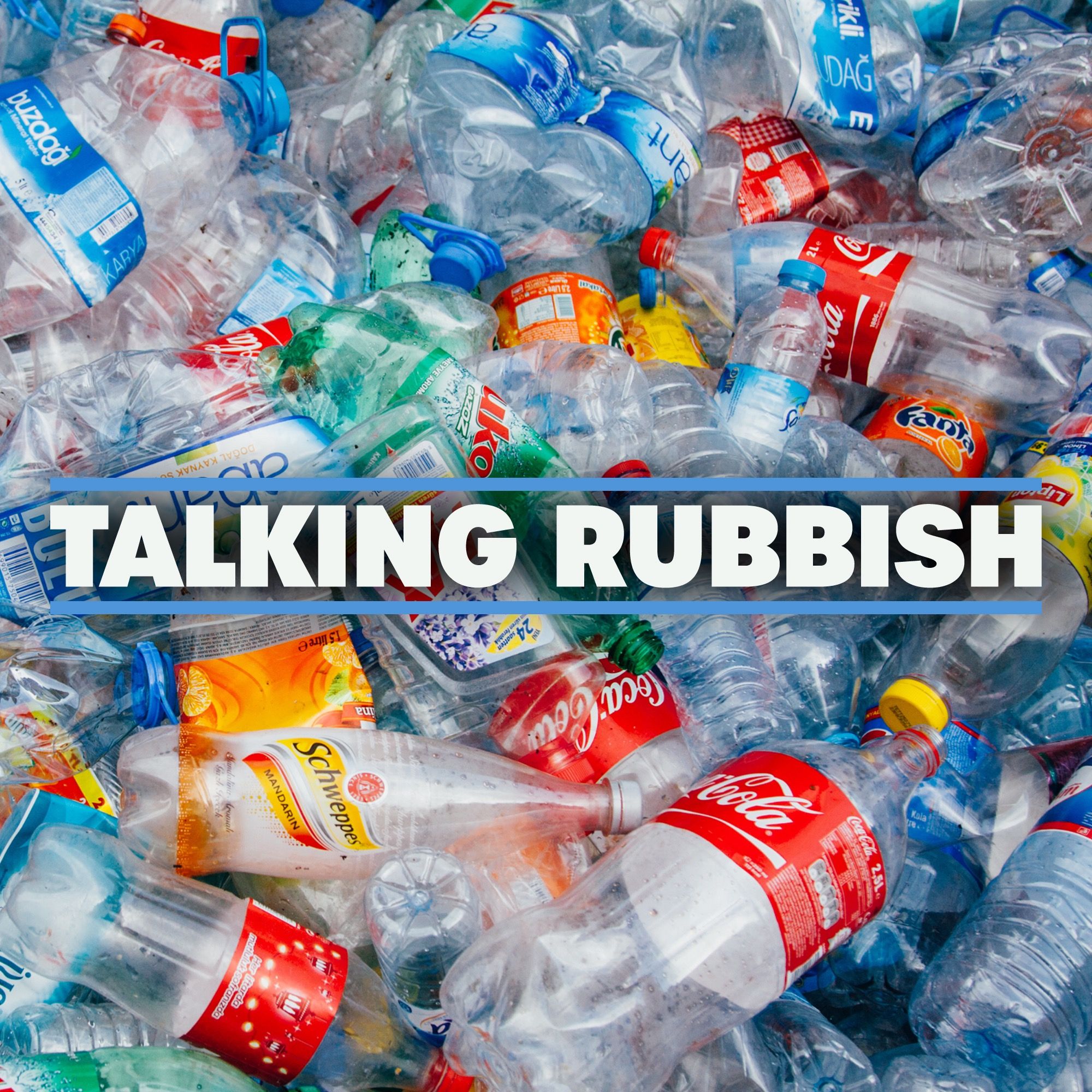
72. Why labels on bottles could ruin our recycling
In 2017, Lucozade bottles were branded a “recycling villain”, not because of the bottle itself, but because the label wrapped around it was stopping the whole thing from being recycled. How can a simple label cause such a big problem, and why are brands often slow to fix issues like this? In this episode, we dive into the surprisingly technical world of packaging labels and uncover why even small changes are far more complex than they seem. Plus, are effervescent tablet tubes rubbish or not, should we dye our clothes, and why is Greggs in our bad books.
71
Dec. 4, 2025
71. Dirty business - is waste crime on the rise?
A vast illegal waste dump in Oxfordshire, stretching 150 metres and sinking two storeys deep, has sent shockwaves through the waste industry. It’s a stark reminder of one of the sector’s most persistent challenges: organised waste crime. How could a site of this scale emerge unnoticed and unchallenged? Why did it take the Environment Agency more than three months to formally shut it down? With incidents of large-scale fly-tipping on the rise, what does this mean for the future of waste management? Join us as we explore the growing shadow economy of waste crime and discuss the forces driving it. Plus, are postage stamps (and their books) rubbish or not, would we really recommend plastic over paper, and why is James fighting with an AI chatbot?
70
Nov. 27, 2025
70. Behind the scenes of sustainable TV production, with Stephanie Shires
With nearly 200,000 tonnes of direct carbon emissions linked to the UK TV and film industry in 2024, sustainability is quickly becoming an urgent priority. This week’s guest, Stephanie Shires, has helped deliver major carbon-reduction initiatives on some of the biggest shows currently on television. She offers a behind-the-scenes look at how environmental impact is managed on set, from food and transport, to accommodation and daily logistics. Steph breaks down the practical decisions she faces each day, revealing what it really takes to make modern productions more sustainable.
Guest: Stephanie Shires

69
Nov. 20, 2025
69. Green Screen - the carbon footprint of TV
The world of television is a carbon minefield, packed with travel, fuel use, catering demands, high-maintenance talent and crews racing against the clock. So how is albert reshaping the industry? Does carbon tracking genuinely drive change, or has it become just another box to tick? In this episode, we go behind the scenes to uncover the challenges, innovations and everyday decisions that could make our favourite TV programmes far more sustainable. Plus, are fire extinguishers rubbish or not, what happens to bagged recycling, and why have James and Robbie both eaten Wagyu beef this week?
68
Nov. 13, 2025
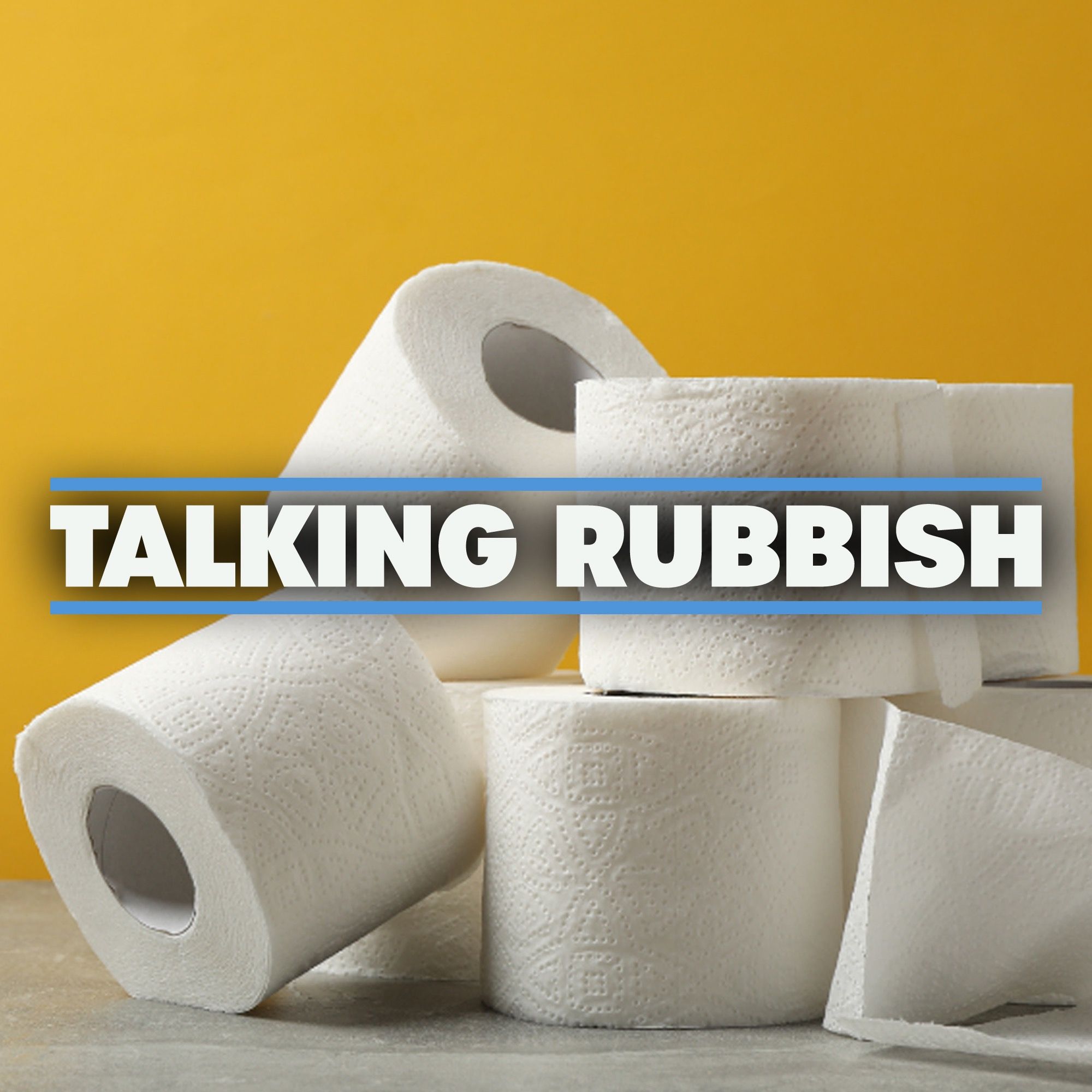
68. Sustainable toilet paper - getting to the bottom of it
In recent years, toilet rolls wrapped in paper instead of plastic have been hailed as the eco-friendly choice. But in most industries, individually wrapping products is seen as wasteful, so why does toilet paper get a free pass? In this episode, we unravel the surprisingly complicated world of “sustainable” loo roll. From eco brands to supermarket staples, we’ll find out which options really wipe the floor with the rest. Plus, are Carex refill pouches rubbish or not, should we flush or bin snotty toilet paper, and why is "bangers and cash" a great title for a future episode.
67
Nov. 6, 2025
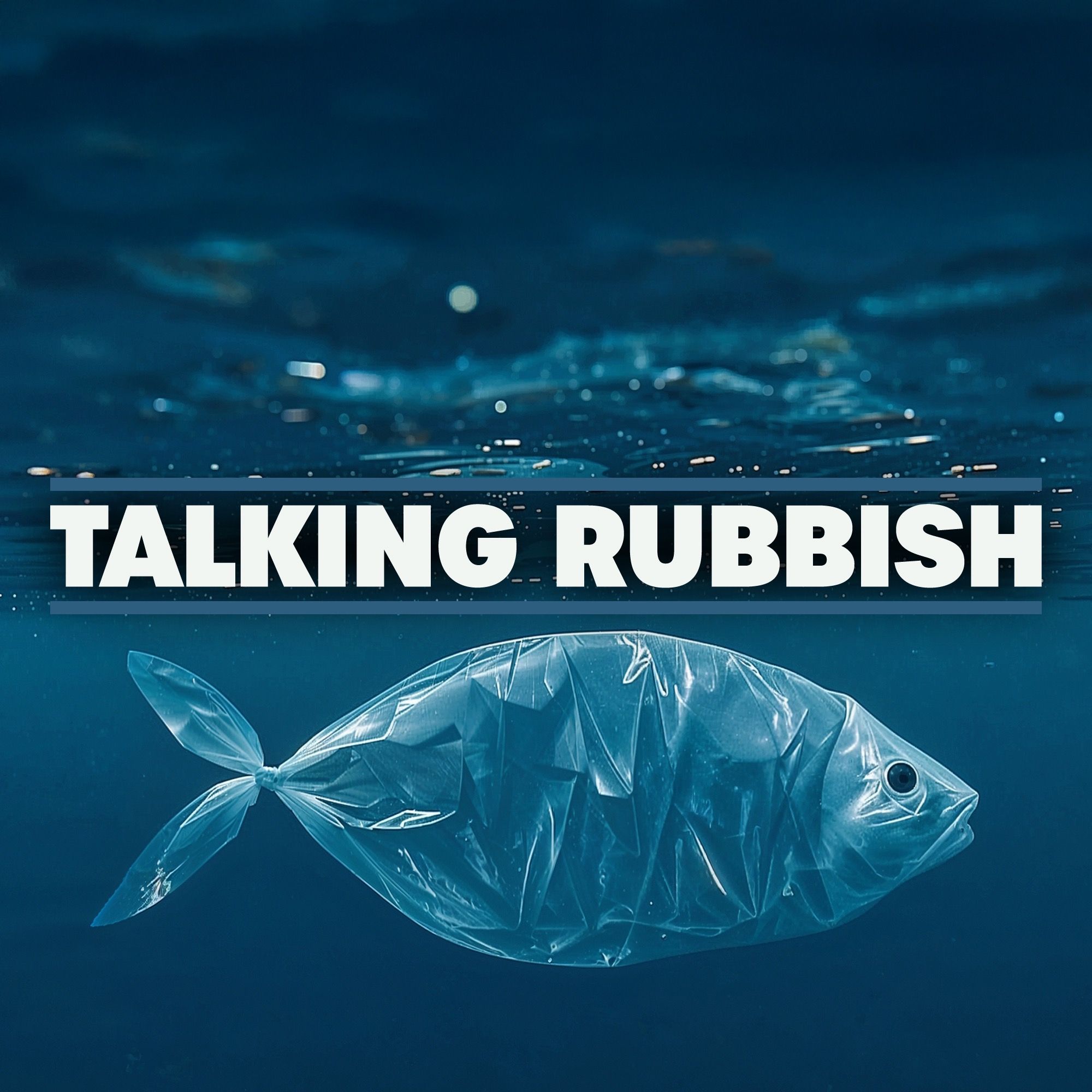
67. Will there really be more plastic than fish in the ocean?
In 2016, the Ellen MacArthur Foundation made a striking prediction: by 2050, there could be more plastic in the ocean than fish. The claim spread like wildfire, appearing in headlines, reports, and speeches around the world. But is it true, or just a catchy soundbite? In this episode, we dive into how scientists estimate the weight of plastic and fish in the ocean, what those numbers really mean, and whether this alarming forecast holds water. Plus, are scratchcards rubbish or not, which aluminium foil should we buy, and is James regretting saying he would pay the fines for pouring away a coffee?
66
Oct. 30, 2025
66. Who should win the Earthshot prize?
Launched in 2021, the Earthshot Prize has quickly become one of the most influential awards in global sustainability. Each year, it celebrates groundbreaking companies and visionary projects that embody the best of human ingenuity. In this episode, we explore who might take home the prize in 2025, why the money itself may matter less than you’d think, and whether spotlighting a single winner truly serves the bigger picture of lasting change. Plus, are water pistols rubbish or not, what is pre-consumer recycling, and have we found the longest (and best) review we will ever receive?
65
Oct. 23, 2025
65. Recycling realities in the Global South, with Esther Carter from Delterra
With over 17,000 islands, 34,000 miles of coastline, and limited formal waste management, Indonesia faces an immense waste challenge, one that’s compounded by imports of foreign waste from countries like the UK. This week’s guest, Esther Carter (recently named #1 on the Resource Hot 100), shares insights from her time living and working in Indonesia, offering a first-hand perspective on how the crisis unfolds on the ground. In this wide-ranging conversation, we dig into the realities of waste management across the archipelago, the social and environmental impacts of global waste trade, and explore what meaningful solutions could look like for Indonesia’s future.
Guest: Esther Carter

64
Oct. 16, 2025
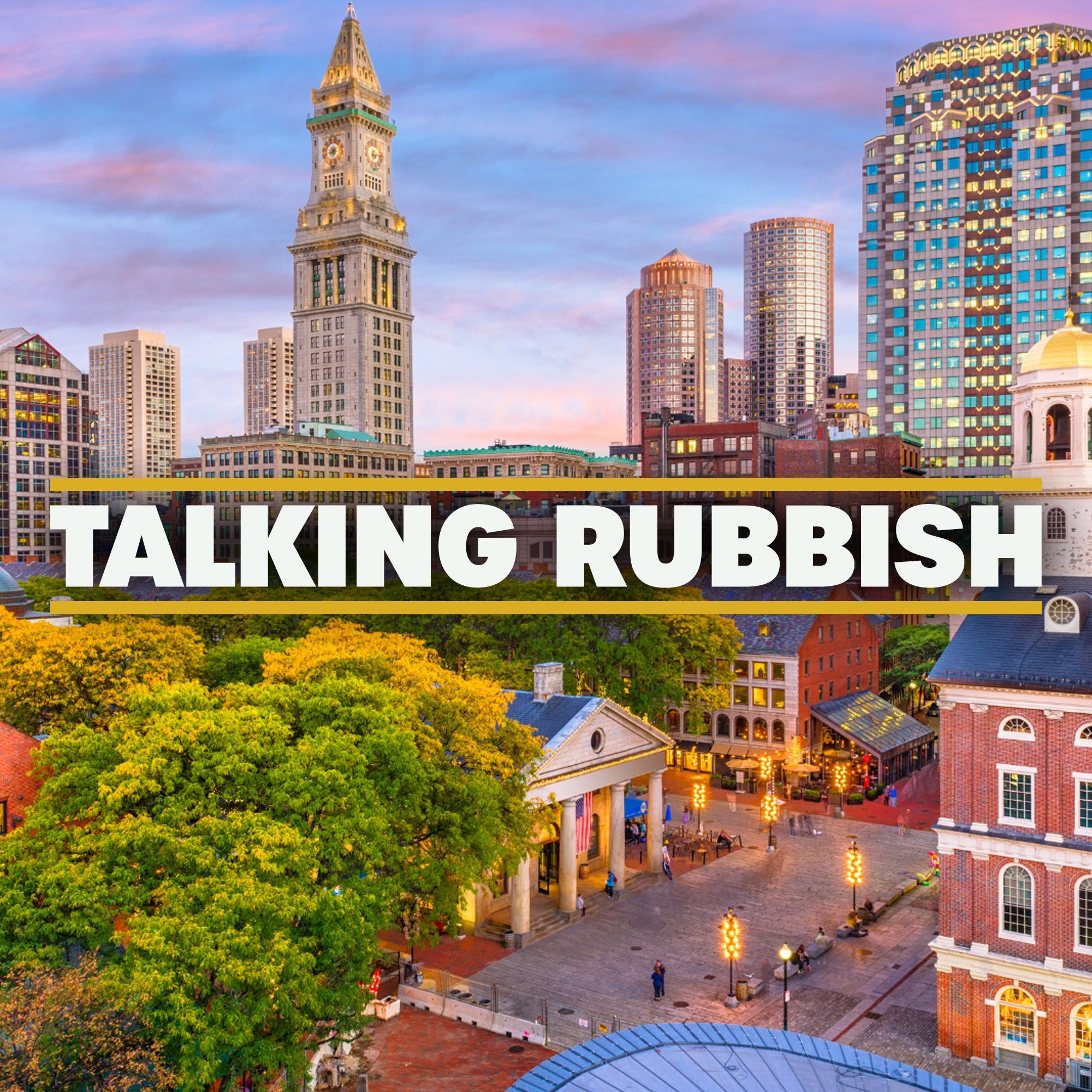
64. Why is recycling so hard in America?
Fresh from the Sustainable Packaging Coalition conference in Boston, we dive into America’s focus on EPR, flexible plastics, and consumer engagement. Don’t miss our biggest takeaways from this influential event. Plus, are red Solo cups rubbish or not, does pouring a drink down a drain count as littering, and why is James annoyed at his son?
63
Oct. 9, 2025
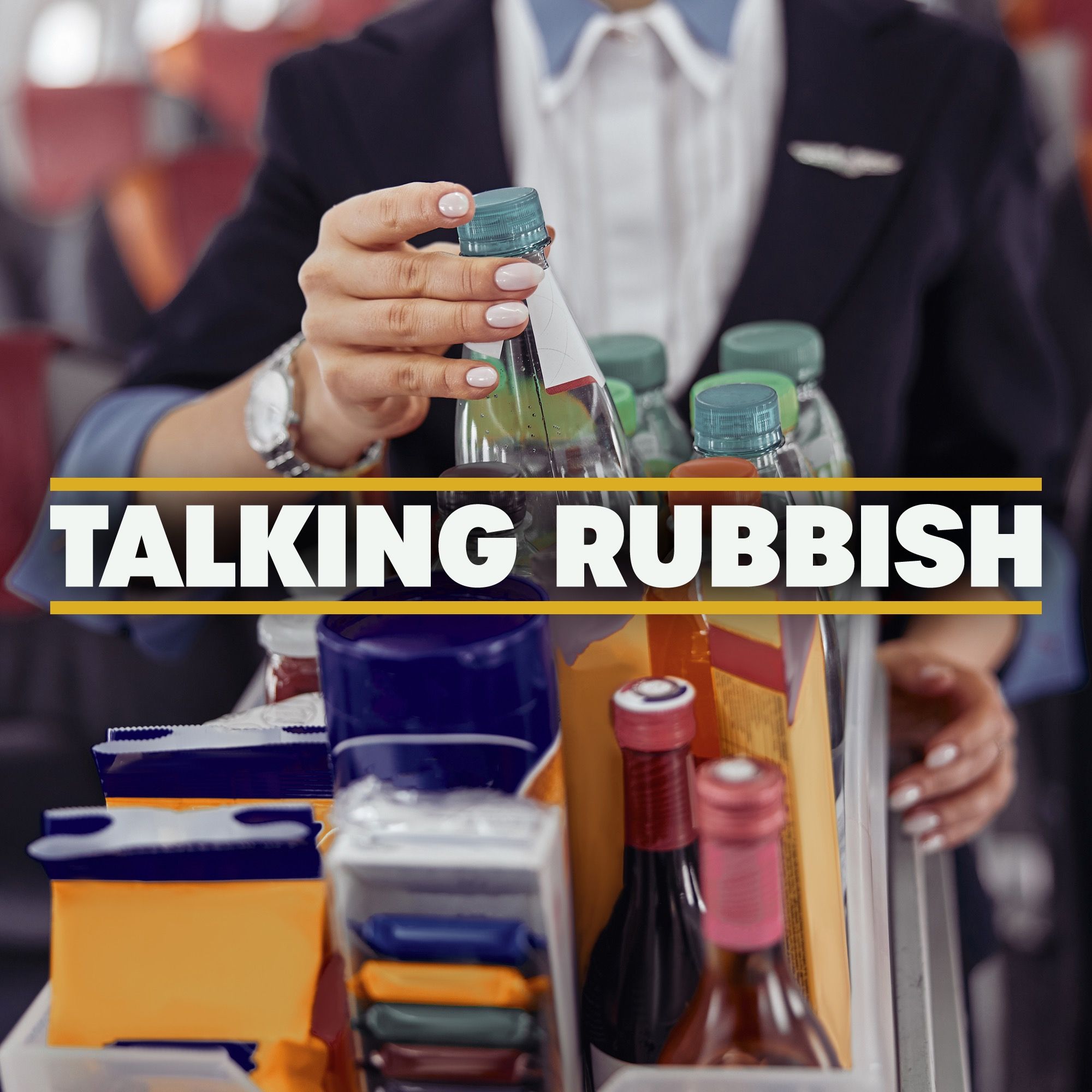
63. Waste on a plane - how airlines manage recycling
Each year, airlines generate more than 5.7 million tonnes of cabin waste, much of it disappearing “out of sight, out of mind.” But behind those discarded coffee cups and meal trays lies a tangle of international regulations and border controls that make recycling very challenging. In this episode, we unpack the complex world of in-flight waste, explore why even recyclable materials are often treated as high-risk, and reveal the surprising barriers preventing airlines from improving. Plus, are balloons rubbish or not, how would we counter NGOs saying recycling is pointless, and are sundried tomatoes making us too niche?
62
Oct. 2, 2025
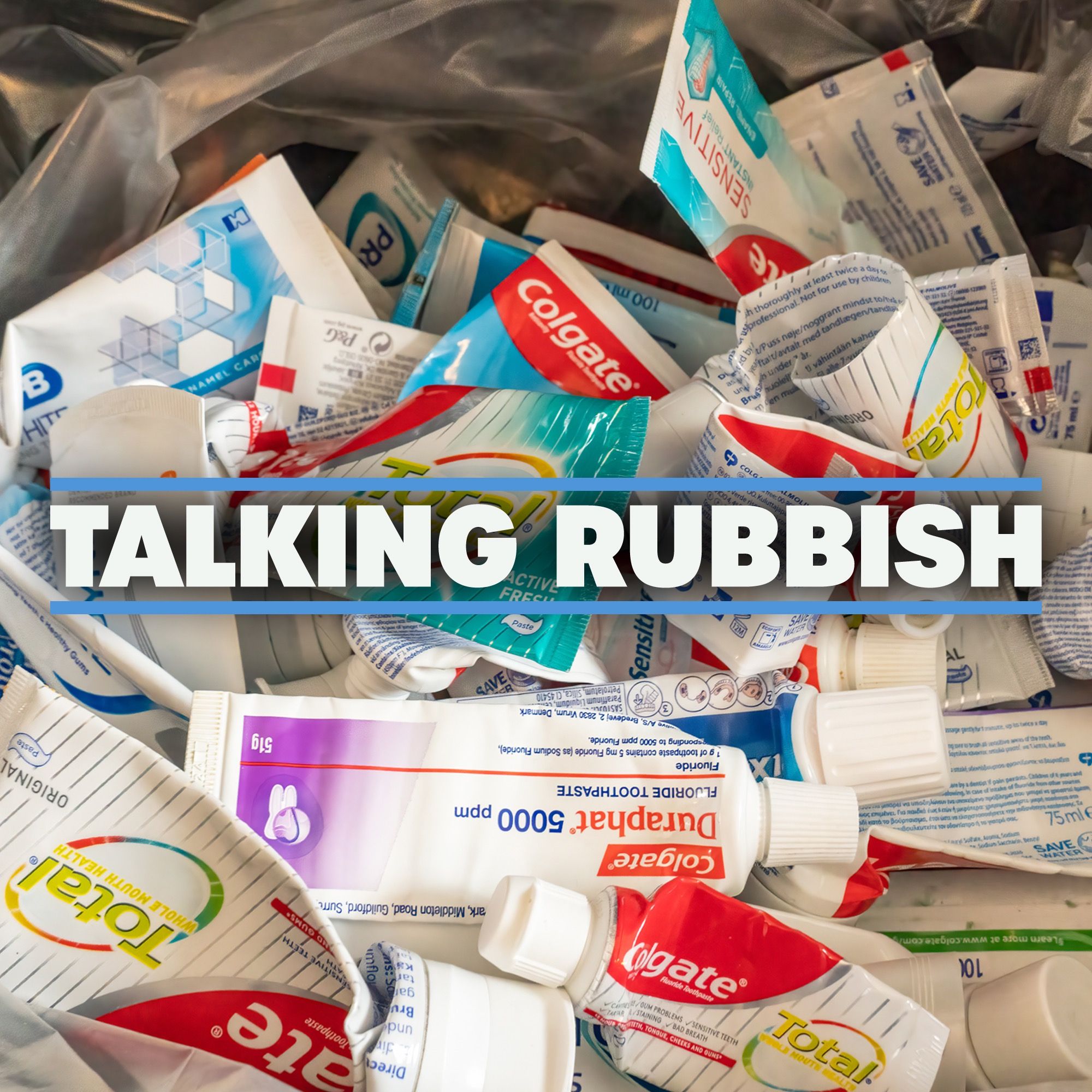
62. Why toothpaste tubes can finally be recycled
In a seismic shift that really damages the credibility of 'The Rubbish Book', toothpaste tubes can now be recycled. But what changed to make an entire product category recyclable, and what could this mean for other similar products in the future? In this episode, we squeeze out every last detail, from collection and sorting to recycling innovations and the consumer messaging that makes it all work. Plus, are Capri-Sun pouches rubbish or not, how does a lack of on-the-go bins affect recycling rates, and what is the best thing James has ever done?
61
Sept. 25, 2025
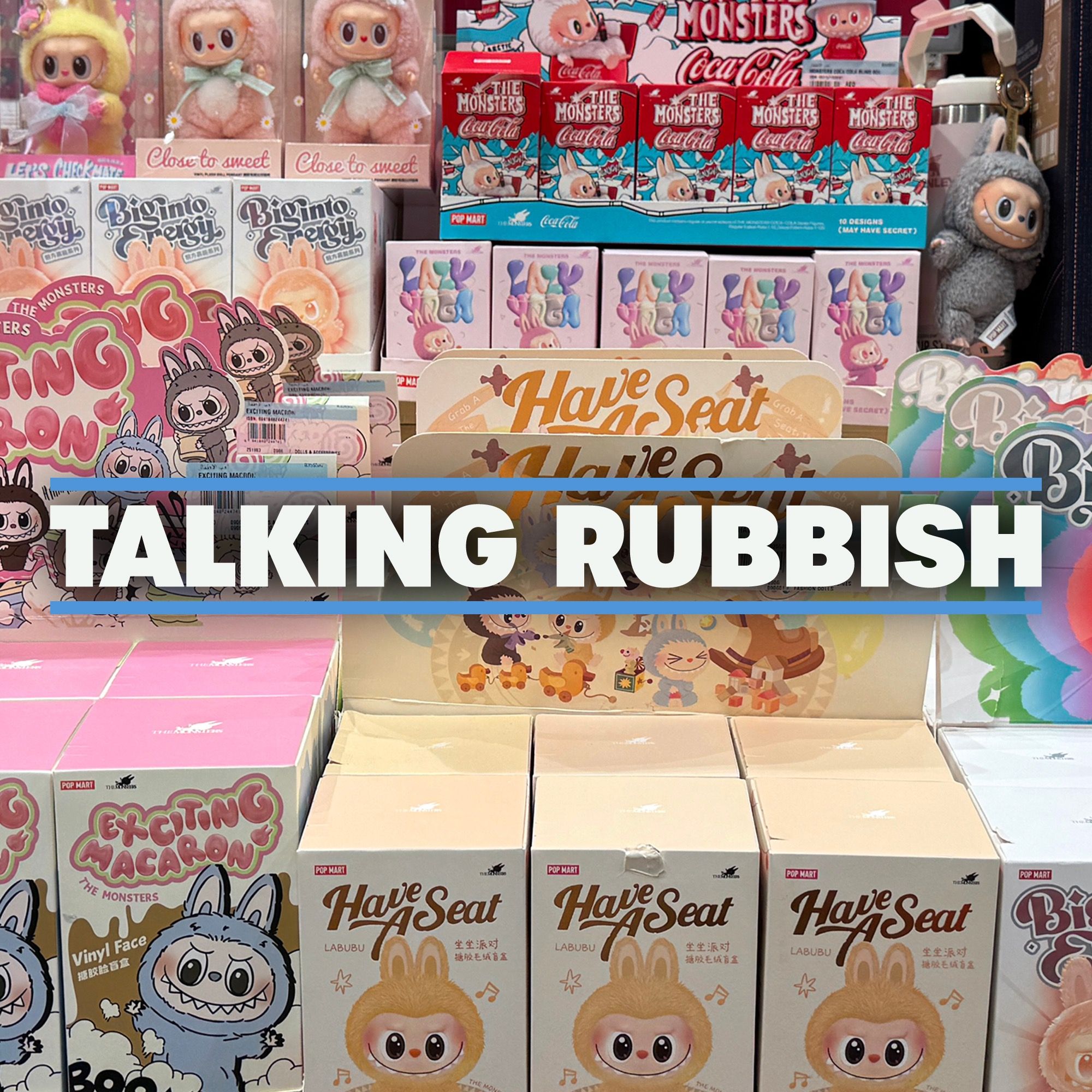
61. Labubu - the rise and risks of blind box packaging
The blind box market is booming, valued at more than $15 billion, with over 10 million Labubu dolls sold each month. But behind the thrill of surprise lies something darker, a system fuelled by FOMO and overconsumption. In this episode, we unbox the packaging to uncover the hidden psychology of blind boxes. Plus, are yoghurt pots rubbish or not, can wet cardboard be recycled, and is Robbie a secret video game model?
60
Sept. 18, 2025
60. FlexCollect - closing the loop on flexible plastic, with Gareth Morton from Ecosurety
Over 160,000 households across 10 local authorities have been trialling flexible plastic collections. The early results are promising: strong participation, positive resident feedback, and low contamination rates. But while 400 tonnes have been collected so far, that figure pales in comparison to the estimated 150,000 tonnes expected once all councils are required to collect this material from 2027. Gareth Morton from Ecosurety joins us to explain how the system will scale to meet this surge, and what lessons we can take from the pilots already underway.
Guest: Gareth Morton

59
Sept. 11, 2025
59. How we made flexible plastic recycling valuable
Recycling flexible (or soft) plastics has long been a challenge; costly, labour-intensive, and difficult to scale. In this episode, we explore how major UK brands came together to fund groundbreaking work that helped make supermarket collection of these plastics possible, paving the way for household recycling in the future. James and Robbie, two of the key drivers behind the initiative, take you behind the scenes to share the challenges, breakthroughs, and impact of this collaborative effort. Plus, are sponges rubbish or not, is incineration really better than landfill, and why is James angry at a piece of bubble wrap?
58
Sept. 4, 2025
58. Why plastic recycling isn't working
Plastic recycling is facing breaking point. Financial models aren’t adding up, legislation has stalled, and major brands are dialling back their commitments. With recyclers shutting their doors, we explore why the system is faltering, how the crisis could reshape the industry, and what it all means for the future of plastic. Plus, are water filters rubbish or not, what happens to the print on aluminium, and why are we not able to visit wet wipe island anymore?
57
Aug. 28, 2025
57. Why the UN Plastic Treaty failed...again!
Hailed as a landmark effort to curb plastic pollution, the plastic treaty was supposed to unite nations around a binding plan to cut production, improve recycling, and reduce waste. But as talks dragged on, the deal collapsed under competing interests, petrochemical producers on one side, environmental advocates on the other. We break down what went wrong, why powerful industries fought to water down the agreement, and what the failure means for the future of global environmental policy. Plus, are Buzzballz rubbish or not, should we fold used crisp packets into triangles, and why is a restaurant cutting the top off James' aluminium can?
56
Aug. 21, 2025
56. Is aluminium the ultimate packaging?
Aluminium packaging is on the rise, moving beyond drinks cans and into products once dominated by plastic. But is it really the sustainable hero it’s made out to be? This episode unpacks the hidden costs and challenges behind the growth of aluminium, from its energy-intensive production to supply constraints, while also exploring its potential to transform the future of packaging. Join us as we weigh the pros and cons of a material that might just shape tomorrow’s shelves. Plus, are keys rubbish or not, should we use community collection points or kerbside bins for paper cartons, and why is James really happy with Smyths Toys?
55
Aug. 14, 2025
55. How brands got us hooked on plastic, with Saabira Chaudhuri
This week’s guest, Saabira Chaudhuri, author of Consumed: How Big Brands Got Us Hooked on Plastic, takes us on a fascinating journey through the meteoric rise of plastic. From the quirks of history that propelled it past every rival material, to the boardroom decisions that sealed its fate, we uncover how plastic became the world’s go-to choice, and what we might do differently if we could start again.
Guest: Saabira Chaudhuri

54
Aug. 7, 2025
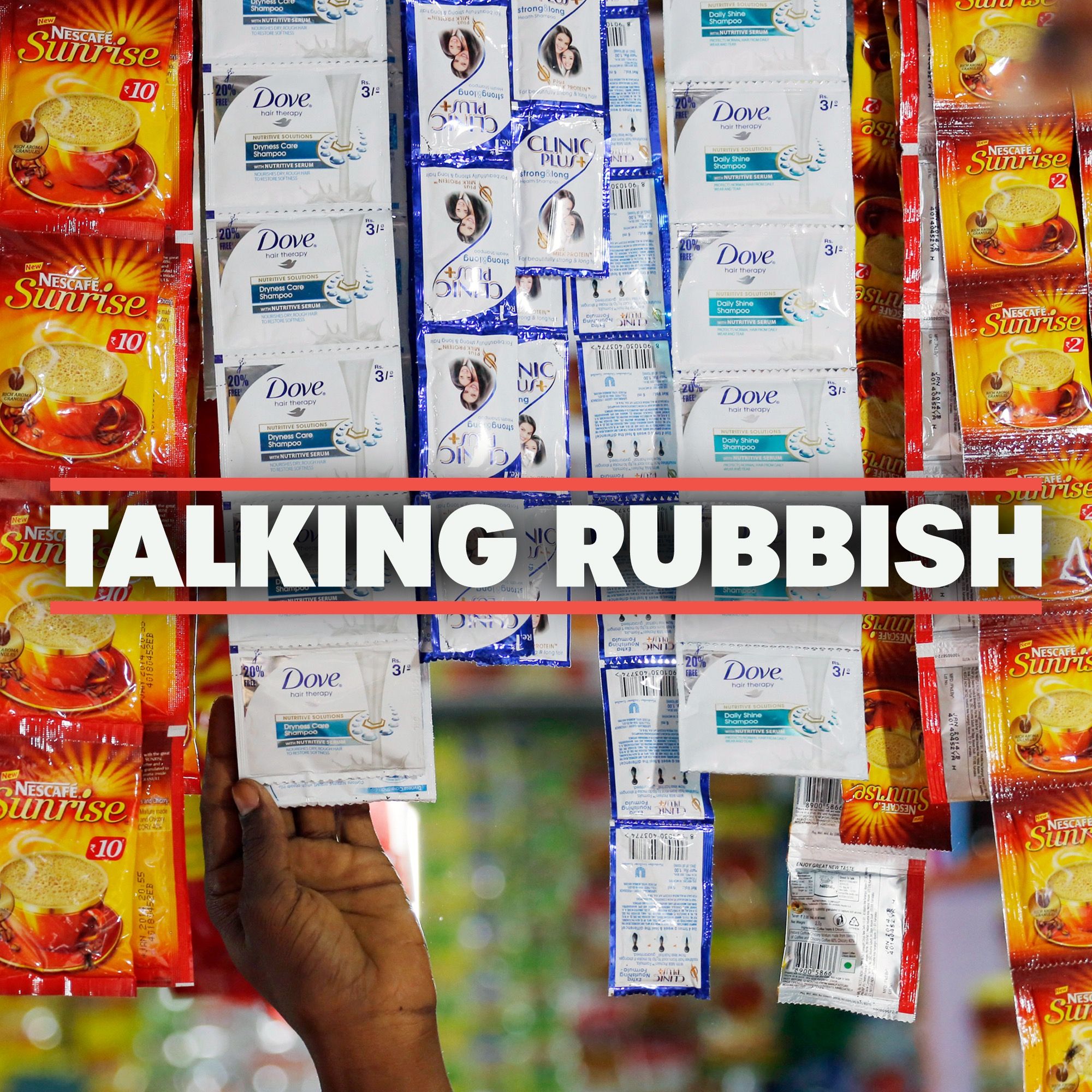
54. Sachets - the true cost of convenience
In the UK, sachets might seem like a small, insignificant problem but across the world, they're anything but. In countries like India, sachets are the primary packaging for a wide range of everyday products. Globally, an estimated 855 billion are used every year. This week, we delve into the surprising history of the sachet, how it became a major contributor to global plastic waste, and whether there’s any case to be made in its defence. Plus, is Play-Doh rubbish or not, what should we do when we encounter bad recycling labelling, and why do Robbie's ice cubes taste of chicken soup?
53
July 31, 2025
53. Why excessive packaging is illegal
Ever received a tiny item in an enormous box? You're not alone, and believe it or not, that kind of wasteful packaging might actually be illegal. In this episode, Talking Rubbish unpacks (pun intended) a little-known piece of legislation that gives you the power to push back. We dig into the truth behind excessive packaging, reveal what the law really says, and show how everyday consumers can make a real environmental impact. It's time to turn your frustration into action. Plus, is cheese wax rubbish or not, why do fizzy bottle threads have gaps in them, and why is Robbie not a fan of his fan.

52
July 24, 2025
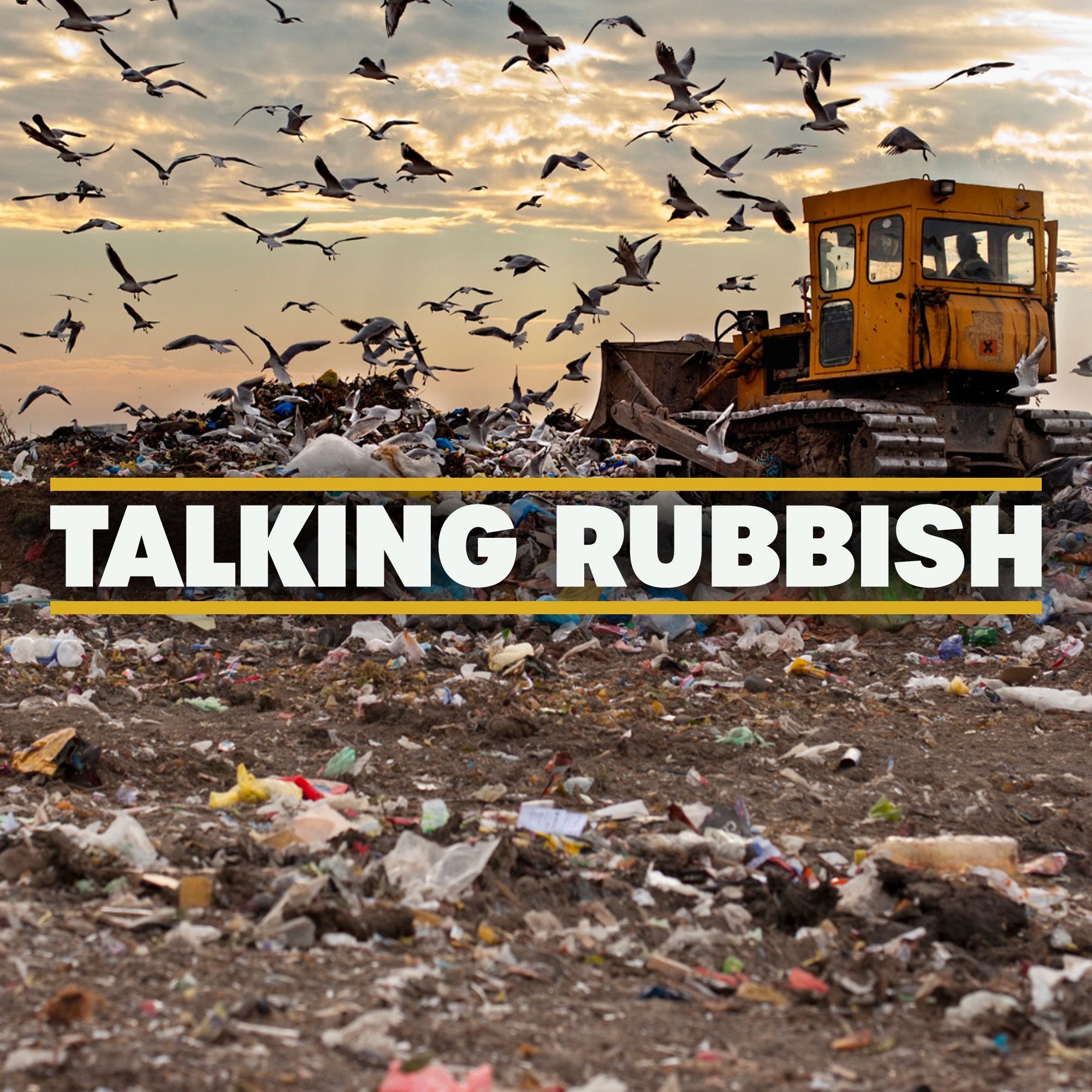
52. How landfills actually work
Often ignored and rarely understood, landfills are one of the most fascinating components of our waste system. In this episode, we dig deep (literally and metaphorically) into how landfills actually work, how they get closed when they are full, and why they need looking after for decades after the last piece of rubbish is dealt with. Out of sight doesn’t have to mean out of mind. Plus, are sandwich packs rubbish or not, can tape go in the soft plastic bin at supermarkets, and are we too boring for social media?
51
July 17, 2025
51. Why does your glass bottle contain microplastics?
New research suggests that glass bottles may contain more microplastics than plastic bottles or aluminium cans, but how is that even possible? We dive into where these plastics are coming from, why the media is not highlighting this surprising fact, and what it tells us about the hidden complexities of packaging. Plus, are cocktail sticks rubbish or not, do we actually need to put a bin liner in our bins, and why is James eating plastic?
50
July 10, 2025
50. The truth about climate change, with Mike Berners-Lee
We’re thrilled to mark our 50th episode with a very special guest: renowned climate expert and communicator, Mike Berners-Lee. In this milestone conversation, we dive into his latest book, A Climate of Truth, which challenges governments, the media, and all of us to confront climate issues with honesty, urgency, and clarity. His call for truth-telling deeply aligns with our own mission of promoting transparent and impactful sustainability. Join us for this thought-provoking discussion, and let’s make the next 50 episodes even more powerful, together.
Guest: Mike Berners-Lee

49
July 3, 2025
49. Carbon offsetting - the good, the bad and the ugly
Carbon offsetting has sparked both enthusiasm and scepticism in recent years. Is it a vital source of funding for crucial climate projects, or just a clever form of greenwashing? In this episode, we unpack what it takes to create a carbon offset, why the process is so complex, and how growing scrutiny is reshaping the market. Plus, are Ozempic pens rubbish or not, do we need to remove the security tag from plastic packaging and have we found the best review we will ever receive?
