Episodes

93
May 7, 2026
93. The death of the barcode - a win for sustainability?
Are you curious about the future of barcodes and how they might impact recycling? In our latest episode, we delve into the fascinating transition from traditional barcodes to QR codes and what this means for sustainability. Join us as we also discuss the fate of cooking oil and celebrate the legacy of David Attenborough. Tune in now to learn how these changes could influence your everyday choices and contribute to a greener future!

92
April 30, 2026
92. How the war in Iran is reshaping the plastic market
This week, we dive into a crucial topic: the effects of the Iran war on plastic production and recycling. As oil prices rise, recycled plastic is becoming more competitive, offering a potential silver lining for sustainability. Join us as we explore the economic implications and the future of recycling in our latest episode. Don't miss out on this insightful discussion!

91
April 23, 2026
91. Is the Government driving up plastic use?
Have you ever wondered how UK regulations are influencing plastic use? In our latest episode, we dive deep into the complexities of recycling legislation and its unexpected consequences. Join hosts James Piper and Robby Staniforth as they explore the implications of Extended Producer Responsibility (EPR) and discuss the future of materials like glass and plastic in our circular economy. Don't miss this enlightening conversation that sheds light on the truth behind the headlines. Tune in now!
90
April 16, 2026
90. Inside Netflix's 'The Plastic Detox' - the story beyond the screen, with Eric Isaac
Last month, Netflix released The Plastic Detox, which we reviewed in Episode 86, and it left us with a lot of questions. One of the film’s featured participants, Eric Isaac, got in touch to let us know he could help fill in the gaps. So instead of a back-and-forth over email, we invited him onto the show. Join us this week as we go behind the scenes of this groundbreaking documentary, unpacking what the couples really did to remove plastic from their lives, what didn’t make the final cut, and the realities of trying to live plastic-free.
Guest: Eric Isaac
89
April 9, 2026
89. Is palm oil really that bad?
Palm oil has a notoriously bad reputation; mention it, and you’ll likely hear strong criticism, particularly if you manage the social media of a podcast that very recently discussed Cadbury’s Easter egg packaging. But is the story really that simple? In this episode, we take a closer look at palm oil; what’s driving its environmental impact, why it’s so widely used, and what can realistically be done about it. Plus, are plastic air fresheners rubbish or not, why are cardboard cartons going in the plastic bin, and why might a paid tier of Talking Rubbish get us in trouble?
88
April 2, 2026
88. The truth behind ‘lost parcel’ reselling - scam or goldmine?
What happens to the parcels that never reach their buyers? A growing industry has an answer, reselling them as “mystery packages,” promising hidden treasures and unbeatable value. But do these surprise boxes live up to the hype, or are they too good to be true? In this episode, we unpack the world of parcel resellers to find out whether they offer a genuine solution to waste, or simply sell the illusion of a bargain. Plus, are floss picks rubbish or not, should we squash our packaging, and what is James having to confess to Robbie?
87
March 26, 2026
87. Is expensive petrol driving people to electric cars?
As tensions rise in Iran, global oil prices are climbing, with potential knock-on effects for everyday costs. From higher petrol and diesel prices to wider economic pressures, the impact is becoming more noticeable. But could this moment mark a tipping point for electric vehicles? In this episode, we dive into the realities of EV ownership; unpacking range anxiety, upfront and long-term costs, and the true environmental footprint. Are electric cars really the greener, smarter alternative to trad...
86
March 19, 2026
86. Netflix's 'The Plastic Detox' - what it gets right (and what it misses)
On 16 March 2026, Netflix released 'The Plastic Detox', a documentary examining the health impacts of chemicals commonly found in plastics, particularly phthalates and BPA. In this episode, we unpack the science behind the film, reinforcing many of its conclusions while also exploring the gaps that prevent it from presenting a fully balanced scientific narrative. Plus, are plug-in air fresheners rubbish or not, which Easter egg will we be buying this year, and why is a road closure making James think about recycling.
86
March 12, 2026
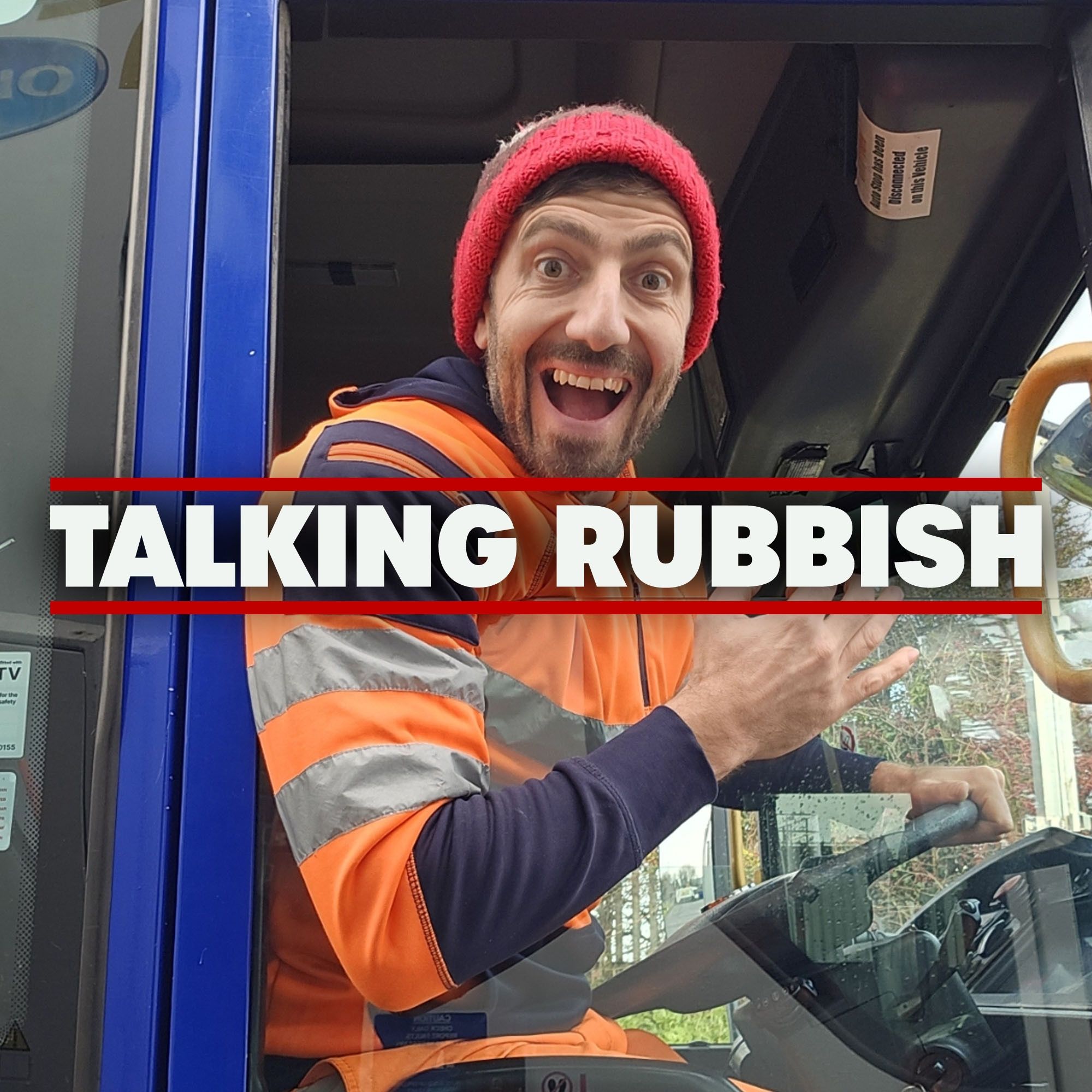
85. Talking rubbish...with the man who collects it, the No. 1 Binman
With more than 160,000 followers on TikTok, Ashley might just be the most famous binman in the UK. In this episode, we sit down with the biggest binfluencer to talk about life on the rounds and how he built an online following by sharing the realities of the job. We also take a closer look at how bin collections actually work across the UK and hear first-hand what makes the job rewarding, challenging, and sometimes surprising. Ashley shares practical tips on how households can make life easier for refuse crews, reduce contamination in recycling, and play their part in helping waste services run smoothly. It’s a behind-the-scenes look at a vital public service that most of us rely on every week, but rarely think about.
Guest: Ashley (The No. 1 Binman)
85
March 5, 2026
84. The BrewDog forest - climate solution or greenwashing?
In 2020, BrewDog made headlines with a bold promise; to plant Scotland’s largest forest and become the world’s first carbon-negative beer company. Five years later, the land has been sold, the carbon-negative pledges have quietly vanished, and the company itself is fighting for survival. So what happened? This week, we dig into the rise and fall of BrewDog’s ambitious reforestation project, and ask whether the planned forest was ever quite as sustainable as it claimed. Plus, are tree guards rubbish or not, are food waste disposal units a good idea, and does Robbie have slopey shoulders?
83
Feb. 26, 2026
83. Is climate collaboration illegal?
In October 2025, five US state attorneys general wrote to environmental organisations warning that their collaboration efforts could potentially breach antitrust laws. Their argument: consumers should retain the right to choose packaging even if it harms the environment. This week, we unpack what happened, explore the key differences between US and UK competition law when it comes to companies working together on green initiatives, and examine what organisations can do to protect themselves from similar legal challenges. Plus, are triggers rubbish or not, how would we listen to our own podcast, and why has Robbie been embarrassed by a comedy gig?
82
Feb. 19, 2026
82. Is there a teaspoon of microplastics in our brains?
Last year, a study made startling headlines around the world with the claim that the average person carries the equivalent of a plastic teaspoon of microplastics in their brain. But how accurate is that finding, and if it’s questionable, why did the authors present it with such confidence? This week, we explore the challenges scientists face when measuring microplastics and nanoplastics in the human body, and why even peer-reviewed research published in the world’s most respected journals can sometimes get it wrong. Plus, are pumps on things like hand soap rubbish or not, does EPR penalise colour in plastic, and why is Robbie's window full of rubbish?
81
Feb. 12, 2026
81. The sudden rise of food waste bins
Simpler Recycling promises the biggest shake-up to the UK’s recycling system since kerbside collections began. But despite ambitions for nationwide consistency, exemptions mean some councils may take a different path. In this episode, we unpack the policy’s origins, examine why not everyone will have to follow the same rules, and look ahead to what the future of recycling might actually be. Plus, are contact lenses rubbish or not, is refillable packaging still considered packaging, why is James siding with Michael O'Leary?
80
Feb. 5, 2026
80. How to remove colour from plastic, with Steven Burns
Much of the plastic packaging we use every day contains colours and additives that can be harmful, and that often prevent the plastic from being recycled at all. This week’s guest, Steven Burns, has spent years tackling that problem by developing ways to remove colour and additives from plastic, increasing its value and usability and making it far more likely to be recycled. In this episode, we explore how the process works, its potential to improve environmental outcomes, and how it could help reduce health concerns linked to plastic recycling.
Guest: Steven Burns

79
Jan. 29, 2026
79. How colour drains the value from plastic recycling
Colour can make plastic more eye-catching, but it can also make it far less valuable, dramatically reducing the chances that it will ever be recycled back into packaging. Despite this, brands continue to add vibrant pigments to packaging to grab our attention, and more often than not, it works. In this episode, we unpack why colour is such a problem for recycling and how marketing priorities collide with material value. We also explore real-world success stories, from the removal of green from Sprite bottles to the shift from coloured to transparent milk bottle lids, small changes that make a surprisingly big difference. Plus, are flags rubbish or not, does glass need to be sorted by colour, and could Robbie set a new record for the fastest wheelie bin?
78
Jan. 22, 2026
78. Birmingham bin strike - what happens when waste piles up?
A year ago, Birmingham’s bin workers walked out, and the city began to fill with rubbish. What started as a dispute over changes to job progression escalated into industrial action that left up to 17,000 tonnes of waste piling up on the streets. One year on, we revisit the strike to ask what’s changed, what hasn’t, and who has paid the price. How has the dispute shaped public trust, city services, and the future of waste collection? And with major recycling legislation on the horizon, is it time for the standoff to finally end, or is the dispute far from over? Plus, are lighters rubbish or not, why is compostable packaging not compostable in California, and why was James interviewed for the wrong segment on BBC Radio 4?
77
Jan. 15, 2026
77. Is recycling a scam?
“It’s all burned. It’s all shipped to Turkey. Recycling is a myth.” We hear these claims all the time, that our carefully sorted waste ends up in landfill or incinerators, and that recycling is basically pointless. But how much of that is actually true? This week, we dig into the reality behind the headlines. Where does our recycling really go? Does cleaning and sorting your waste make any difference at all? And is there still a reason to bother? We debate the myths, unpack the facts, and, spoiler alert, aim to leave you feeling hopeful that looking after your rubbish is still worth the effort. Plus, are tea light candle holders rubbish or not, is a dead battery still a fire risk, and why is a $4,000 deposit return scheme not working for the litter on Mount Everest?
76
Jan. 8, 2026
76. Why your council tax isn't paying for your recycling anymore
New legislation is shifting the cost of recycling from taxpayers to the brands that create packaging in the first place. After decades of public funding, producers are now being asked to pay, but rolling out a brand-new system hasn’t been seamless. As the system settles, fees are being tied directly to how recyclable packaging is, a move that could reshape the packaging we see and buy every day. Plus, are glow sticks rubbish or not, why can we recycle aerosol cans at home but not gas canisters, and why was Robbie a bit too bold on council glass collections.
75
Jan. 1, 2026
75. Sustainability around the world, with Ellie Piper
In 2021, Ellie and James left their jobs and spent 15 months travelling around the world. Along the way, they paid close attention to how sustainability showed up in practice; what worked, what didn’t, and what felt worth questioning. In this New Year’s episode, Ellie joins Robbie and James to reflect on the trip. They revisit it continent by continent, each sharing one idea or observation that stuck with them. The conversation covers travel, perspective, and what they took away from the experience.
74
Dec. 25, 2025
74. Should LEGO use recycled plastic?
In 2021, LEGO announced an ambitious plan to make its iconic bricks from recycled plastic bottles. Just two years later, the project was quietly scrapped. Why did it fail and why might that decision actually be a good thing? In this festive episode, we take a closer look at the UK’s number one toy brand and the sustainability initiatives behind its efforts to make a plastic toy more circular. Plus, are advent calendars rubbish or not, what should we do with compostable plastic, and why has Robbie been litter-picking Santa hats?
73
Dec. 18, 2025
73. Battery fires - the growing problem within recycling
Imagine accidentally starting a fire that caused £30 million in damage and destroyed 60,000 tonnes of UK recycling, and never even knowing you did it. This is the hidden danger of battery fires, and unfortunately a true story. In recent years, the number of fires caused by batteries have more than doubled as batteries become more powerful and increasingly hazardous. Nowhere is this risk greater than in the waste and recycling industry, where a single misplaced battery can ignite during collection or processing. In this episode, we uncover how our current recycling systems are fuelling these fires and, crucially, what simple steps we can all take to make sure we’re not the ones who start the next one. Plus, are nitrous oxide canisters rubbish or not, can you recycle brittle bottles, and why has James been rummaging through a bin store in Tenerife?
72
Dec. 11, 2025
72. Why labels on bottles could ruin our recycling
In 2017, Lucozade bottles were branded a “recycling villain”, not because of the bottle itself, but because the label wrapped around it was stopping the whole thing from being recycled. How can a simple label cause such a big problem, and why are brands often slow to fix issues like this? In this episode, we dive into the surprisingly technical world of packaging labels and uncover why even small changes are far more complex than they seem. Plus, are effervescent tablet tubes rubbish or not, should we dye our clothes, and why is Greggs in our bad books.
71
Dec. 4, 2025
71. Dirty business - is waste crime on the rise?
A vast illegal waste dump in Oxfordshire, stretching 150 metres and sinking two storeys deep, has sent shockwaves through the waste industry. It’s a stark reminder of one of the sector’s most persistent challenges: organised waste crime. How could a site of this scale emerge unnoticed and unchallenged? Why did it take the Environment Agency more than three months to formally shut it down? With incidents of large-scale fly-tipping on the rise, what does this mean for the future of waste management? Join us as we explore the growing shadow economy of waste crime and discuss the forces driving it. Plus, are postage stamps (and their books) rubbish or not, would we really recommend plastic over paper, and why is James fighting with an AI chatbot?
70
Nov. 27, 2025
70. Behind the scenes of sustainable TV production, with Stephanie Shires
With nearly 200,000 tonnes of direct carbon emissions linked to the UK TV and film industry in 2024, sustainability is quickly becoming an urgent priority. This week’s guest, Stephanie Shires, has helped deliver major carbon-reduction initiatives on some of the biggest shows currently on television. She offers a behind-the-scenes look at how environmental impact is managed on set, from food and transport, to accommodation and daily logistics. Steph breaks down the practical decisions she faces each day, revealing what it really takes to make modern productions more sustainable.
Guest: Stephanie Shires