67. Will there really be more plastic than fish in the ocean?
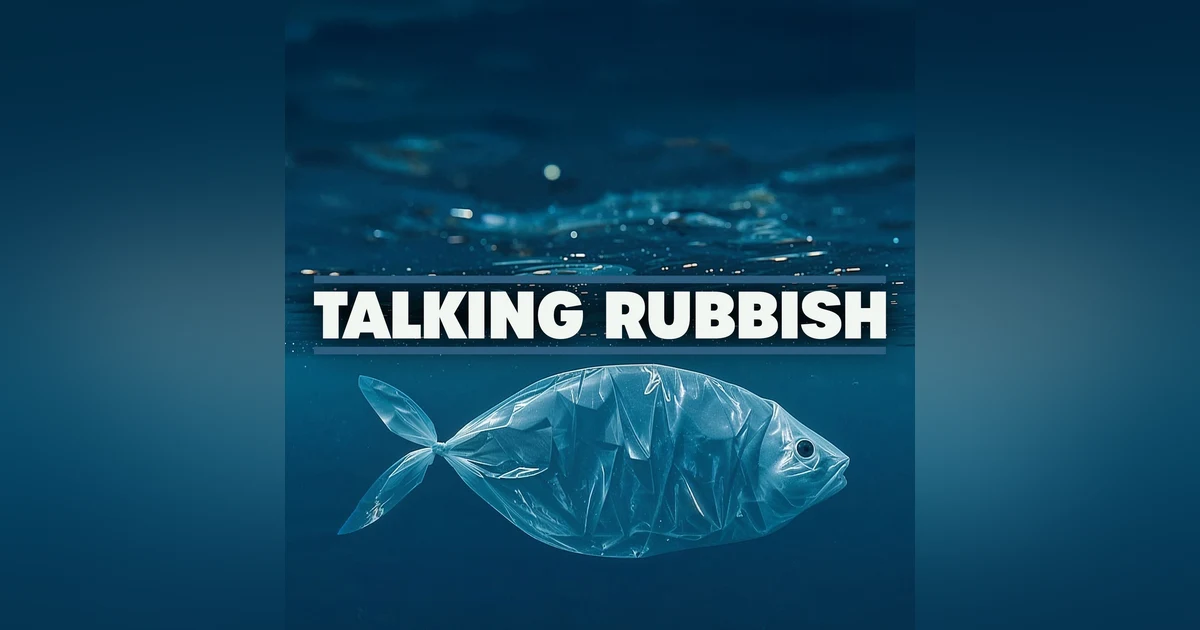
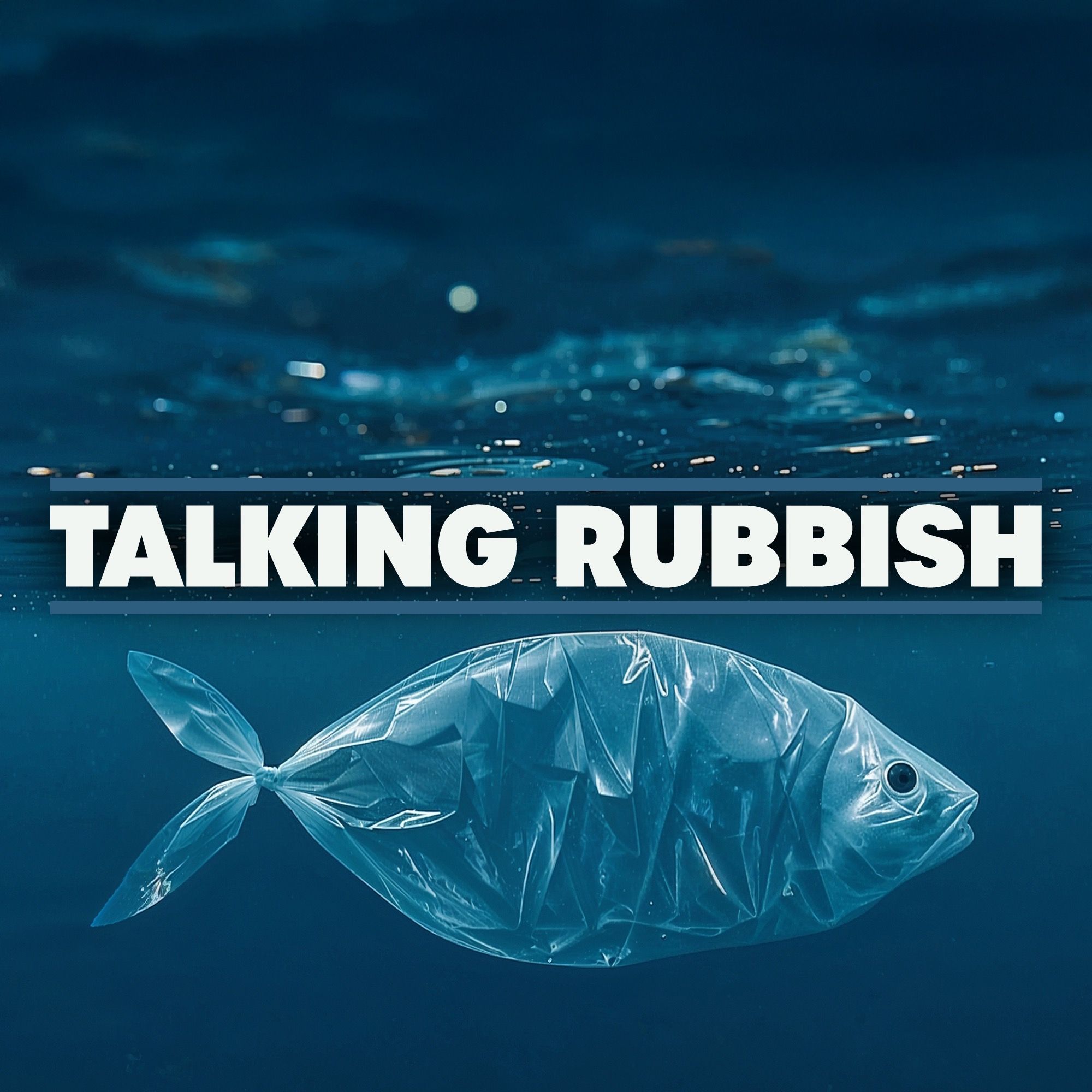
In 2016, the Ellen MacArthur Foundation made a striking prediction: by 2050, there could be more plastic in the ocean than fish. The claim spread like wildfire, appearing in headlines, reports, and speeches around the world. But is it true, or just a catchy soundbite? In this episode, we dive into how scientists estimate the weight of plastic and fish in the ocean, what those numbers really mean, and whether this alarming forecast holds water. Plus, are scratchcards rubbish or not, which aluminium foil should we buy, and is James regretting saying he would pay the fines for pouring away a coffee?

 Apple Podcasts
 Spotify
 YouTube
 Amazon Music
 Castbox
 Podcast Addict
 PocketCasts
 In 2016, the Ellen MacArthur Foundation made a striking prediction: by 2050, there could be more plastic in the ocean than fish. The claim spread like wildfire, appearing in headlines, reports, and speeches around the world. But is it true, or just a catchy soundbite? In this episode, we dive into how scientists estimate the weight of plastic and fish in the ocean, what those numbers really mean, and whether this alarming forecast holds water. Plus, are scratchcards rubbish or not, which aluminium foil should we buy, and is James regretting saying he would pay the fines for pouring away a coffee?
Join hosts James Piper and Robbie Staniforth as they delve into the world of recycling, hopefully having fun along the way. One thing is for sure, they will talk absolute rubbish from start to finish.
We would love you to join our community on Discord
Special thanks to our sponsor, Ecosurety
To get exclusive videos and clips, follow us on Instagram, TikTok, X, Threads or Facebook; @rubbishpodcast or YouTube: @talkingrubbishpodcast
Or you can contact James and Robbie with questions or just general rubbish musings using the email address talkingrubbishpodcast@gmail.com or by texting them via WhatsApp on 07356 069 232
Relevant links and reports mentioned in the programme can be found on the Talking Rubbish Linktr.ee
Transcripts and episodes can be found on the Talking Rubbish website
Timestamps:
Will there really be more plastic than fish in the ocean? - 04:26
Additions and corrections - 24:45
Rubbish or Not: scratchcards - 33:52
Rubbish News - 39:27
Which aluminium foil, recyclable or recycled material? - 42:41
Residual Rubbish - 46:02
Music licence ID: 6WPY8Q4O2RPFIOTL
Hello, welcome to Talking Rubbish, a weekly podcast delving deep into the world of recycling and discussing the truth behind snappy headlines and one-sided stories. In this episode, we will discuss whether there really will be more plastic than fish in the ocean. Are scratch cards rubbish or not? And I have a question about which aluminium foil to buy. I'm James Piper, author of the rubbish book, and I'm joined by Robby Stanley Fourth, my far from rubbish friend. Good morning, Robbie. Hey James. Happy Bin Day. Another one comes around. Robbie, we're getting old. I know that's a fact.
SPEAKER_00I mean I so's everyone, James.
SPEAKER_02Don't make me feel worse about it. But I think, come on, you must feel old too when you reflect on why this episode might appeal to Jen Alpha. Okay. Uh I have no reflections on why the what? Fish in the ocean. This is episode number sixty-seven. And as I gather it, the numbers six and seven are very important to the younger people on our planet right now. I don't know why.
SPEAKER_00I I have literally no idea what you're talking about.
SPEAKER_02I do feel old. There is this weird trend going on with the number six and seven where I think it started with someone watching basketball. I think that honestly, this I have no idea how it started. So if I'm getting it wrong, I apologize. But basically was chanting six, seven, six, seven while doing like a juggling motion. So moving hands up and down, you know, while shouting six and seven. It's gotten mad. The youth of today, God, I sound old. The youth of today are obsessed with the numbers six and seven. Schools have had to ban it. Maths classes are trying to make sure their answers never come out at six to sixty-seven because the kids just go crazy for it. Okay. So I'm gonna have to ask my daughter when I get home uh this evening. She must know. There like schools have had to put out a thing saying you are not allowed to say the numbers six and seven.
SPEAKER_00Six and seven?
SPEAKER_02Wow. I uh that's totally gone over my head. I saw a TikTok from a teacher the other day that said if I hear you say six, seven, I'll make you write a sixty-seven-word essay. And if you say it five times, you have to write a six hundred and seventy-word essay. So hello to all the gen alphas who are ironically listening to this episode because of the meme. They might be going through the podcast going, listen to all of the episode 67s. Embrace yourself, Robbie, because I received an email this week. Subject line, it's me, Ethel, and I'm still listening. Whoa, great. So Ethel's come out from the shadows. She has. And she back in episode 64, we asked Ethel to reach out, assuming she was still listening, and she has. For those who haven't heard Ethel's review, it's one of our favorites. And the line that really just every time makes me laugh is Robbie has a laugh that will make some people want to rip their ears off. We have now shared this review with hundreds of people at live events. And to be honest, in her email, she doubled down on the laugh comments. She said, I love the show. Nails on a blackboard laughs and all.
SPEAKER_00That's even better. Nails on a blackboard rip ears off. Wow, she's really digging into my laugh, isn't she?
SPEAKER_02Absolutely. And last week we discussed aliases. You know, we said we're not 100% sure who everyone is, and I'd gone to a conference and this guy was there, and he was like, and this person on Instagram, I'm this person on Discord, and I was trying to solve everything, and then on the train home, someone from Bristol Waste announced who she was on Discord. Well, Ethel has a number of aliases because first of all, Ethel is not her name. Okay. But I'm not going to reveal her name because I fear BIMFluencers just swamping her in the street. Yeah. So let's not reveal her name. But what I now know, and I hope she doesn't mind me revealing, that water pistol story last week. You know that lady who had the water pistol in her backpack.
SPEAKER_00Yeah, and the one uh officer shot the other one or something. Exactly. Yeah.
SPEAKER_02That's Ethel.
SPEAKER_00Whoa, okay, full of great reviews and great stories. Maybe we need to get her on for an interview.
SPEAKER_02She does have a way with words, yeah. I love it. So hi Ethel. We're delighted you're still listening and you're still making us laugh on Discord, which is great. Thank you. Trash tour. Will there really be more plastic than fish in the ocean? I would imagine most of our listeners have heard this claim, right? That there could be more plastic than fish in the ocean by 2050. A stat I have seen in news stories. I mean, as recently as yesterday, I saw a news story. Oh, really? Yeah. It's still due in the rounds. Any news story from an NGO or an organization that hates plastic is bound to start with the claim there will be more plastic than fish in the ocean by 2050. This is by weight, by the way. It's not quantity, it's by weight. It is all over the place. I think possibly more than you eat a credit card's worth of microplastic a week, which was our episode 11.
SPEAKER_00Yeah, no, I think so too. I see it, I still see it floating around from sort of week to week, month to month.
SPEAKER_02So where does the stack come from? And is there any validity to it? Welcome to James Debunks, the infrequent podcast episodes where I go through some of the science around claims that have been made. This one has actually been around for a long time. It was it it's from a 2016 report called The New Plastics Economy, which was actually done by the Ellen MacArthur Foundation and the World Economic Forum. Yes, I remember that. It was a big report at the time. Yeah. It was very big. And it's quite interesting that it's come from Ellen MacArthur, actually. Um sorry, Ellen MacArthur Foundation, because I would say they get typically criticized for being quite aligned to brands and retailers. I could be wrong, but my my kind of feeling with the Ellen MacArthur Foundation is it's lots of voluntary initiatives with members who are brands and retailers who then sort of decide the initiatives based on what they've got going on. Sort of not dissimilar to the Plastic Pact, although I think the Plastic Pact was a lot bolder in its targets, but it still brought all the retailers and brands together to say, what can we achieve? rather than kind of demanding them to change things. So I do think it's quite weird that a phrase that has come up again and again as a criticism of plastic in the ocean actually came from an organization that is not a traditional NGO, is not like Greenpeace. It's it's come from an organization that typically works with brands and retailers. Is that fair?
SPEAKER_00Yeah, I think that's a fair comment. Yeah, it's interesting.
SPEAKER_02The report was published on the 31st of December 2015. So some lovely new year reading. Just as you were seeing the new year in, you could read all about fish. And on page 17 of the report, it says the best research currently available estimates that there are over 150 million tons of plastic in the ocean today. In a business as usual scenario, the ocean is expected to contain one ton of plastic for every three tons of fish by 2025. And by 2050, more plastic than fish in brackets by weight.
SPEAKER_00So we should get out there now and work it out if it's by 2025. So it's one ton of plastic for every three tons of fish now. Okay. That's what they predicted back in the dawn between 2015 and 2016.
SPEAKER_02As I say, it got a lot of publicity. And when I say a lot of publicity, I mean a lot. When I searched in Google more plastic than fish yesterday, I got 229 million results. So this is a stat that is everywhere. And I'd be amazed if we've got people listening who haven't heard it. So there's two variables to this that you have to work out to find out whether it's true. First of all, you have to work out how much plastic is in the ocean and getting added to the ocean. And then you have to work out how many fish are in the ocean. So if we take those two variables, let's start with how you work out how much plastic is in the ocean. They were saying by 2050, there's going to be 850 million tons of plastic and 812 million tons of fish. That's how they got to this more plastic than fish. How do you get to 850 million tons? It's pretty complicated, is the truth. And we talked about this in episode 33, which was our episode called Why It's Hard to Find Plastic in the Ocean. We actually said the same numbers as the Ellen McCarther Foundation. So we said there's about 150 million tons in the ocean, and then about 12 million tons was getting added. That's what we said back in episode 33.
SPEAKER_00So do we we think this 150 million tonnes like base scenario is about right, do we? We're not questioning that. It's what's being added on top of it on a yearly basis.
SPEAKER_02At the end, I am also going to question the 150 million. So even though we said it in our episodes, I s I still think that is highly disputed. Okay. And all plastic, all ocean plastic data is highly disputed. You can't count it. You can't go round the ocean counting plastic. So what studies do is they extrapolate. And depending on where you start from, depending on what you extrapolate from, you can have hugely different results. If I decide to extrapolate from an uninhabited island in the middle of the Pacific Ocean, I might get very few quantities of plastic if I do that outside of stormy season and it's not bringing plastic in, compared to if I do it in the Avon Gorge here, where I might find lots of litter, and then I might go, okay, I'll extrapolate from there. So that's one of the challenges that we're extrapolating. And depending on where you start, you will have hugely different results. And the best way to describe this is there's three main studies on ocean plastic. So I'll just refer to them by the surnames of the lead author. So Jambek is one of them. That's probably the most famous one. Le Breton and Borel. These are the three main studies on ocean plastic. And the numbers we gave in episode 33 and the numbers Ellen McCarthy have used come from Jambek, that first one. Okay, sure. According to the BBC, the starting point for the Jambek report was the San Francisco Bay. And then they extrapolated from there. And the BBC had a quote from Professor Callum Roberts from the University of York who said, if that's not representative of the rest of the globe, you can see the potential for large deviations in the calculation.
SPEAKER_00And what tells us that the San Francisco Bay is in any way representative of the whole of the globe, though?
SPEAKER_02And it's not going to be, is it? I mean, that's the problem. That's exactly the problem. Extrapolation is definitely the issue. And they actually say in the report, Jan Beck says in the report, sources of uncertainty in our estimates result from the relatively few measurements of waste generation, characterization, collection, and disposal, especially outside of urban centres. So they acknowledge that they haven't got enough data to do this work.
SPEAKER_00Okay, but they had good research in the San Francisco Bay area. So presumably that was the best uh source of information that they had because they had uh sampled to a higher degree than possibly anywhere else in the world. I'm assuming that that's why they chose San Francisco Bay rather than it just be a random place to extrapolate from.
SPEAKER_02Yeah, I assume they had good data for there. Yeah, that's right. So you've got two things that need to be calculated for the plastic. You've got to say there's 150 million tons currently in the ocean, which I think is disputed. We'll talk about that in a bit. And then you've got to say how much is added each year. And that is quite complex because obviously you are tempted to increase that with GDP, to say, hey, people are buying more plastic and to increase mismanagement because the more you have, the more likely it is to be mismanaged. So these three studies, what they did was they looked at countries and tried to work out, or they extrapolated around countries and tried to work out how much of the waste was mismanaged, so not going through a formal system, and then how much of that mismanaged waste might end up in the ocean. And in 2021, there was actually another study, which was called Uncertainties in Global Estimates of Plastic Waste. And this study was actually a review of the three studies that I referred to and how inaccurate they were because of how different they are to each other.
SPEAKER_00Okay, so someone's done your homework for you here, James, haven't they? I still had to read it.
SPEAKER_02So one of the key things in each report is, as I say, they're estimating the mismanagement in each country. And I guess the argument of this one study that compared the three was if they're so wildly different, none of them can be true. And across the three ocean plastic studies, 58 countries had at least a 25% difference in mismanagement rates. So though because they list country by country, they say this is how much we think is entering the ocean from each country. 58 of them were 25% different across the three studies. That doesn't sound too bad. It gets worse. 27 of them were greater than 50%, and nine countries had at least a 75% difference. Oh, okay, that's massive. Right. And some of the largest discrepancies were from the big polluters, so Russia, Indonesia, China. Those were where you got your biggest discrepancies because it's harder to work out how much plastic is entering the ocean from there. With these ocean plastic studies, they tend to take someone else's data and then apply their own logic. So Jambeck, which is the study we've used, which was a study in 2015, actually built on another study in 2012. And it becomes a bit diluted. The more and more we use data and try and repurpose it into our next study, the worse it is for that calculation because it wasn't designed for the thing that you're now creating it. So for example, someone could do a study now on something different and take Jambek's data and say, I'm gonna use that and I'm gonna use that mismanaged waste to calculate, I don't know, fish that are getting poisoned by plastic. But if we've agreed that that data was wrong and the 2012 study that Jambek used was wrong, we're just getting worse and worse in terms of the data that we're using.
SPEAKER_00So it's kind of amplifying the problem. I mean, I get it that scientists want to build on the thinking and then take the previous thinking and advance it. But what you're saying is they're not necessarily critically thinking about that previous study and whether it was actually any good and told them anything. They're taking it to some degree as gospel and then building on it, which amplifies the sort of uh the the wrong, the wild extrapolations that they've got.
SPEAKER_02Exactly. Everyone's extrapol you're extrapolating from an extrapolation, which itself is extrapolating from an extrapolation, and you can see very quickly that becomes nonsense, you know, very, very fast. And we saw it with the credit card stat, they were saying if this is the microplastic in the ocean, that must be the microplastics that come out of your tap. And those are very, very, very different pieces of data. Jan Beck herself actually dismissed what the Ellen MacArthur Foundation had done. Because what Jan Beck had done in her report is said, this is what I think the plastic in the ocean is going to look like in 2025. So this was back in 2015. And Ellen MacArthur then went, okay, well, we'll extrapolate that to 2050. And they use GDP growth and changes in economics and all those kind of things to say this is what 2050 looks like. Jan Beck herself said, I would have no confidence in my data being extrapolated to 2050.
SPEAKER_00Oh, really? Wow. So she had just extrapolated it for 10 years using the base scenario and her modelling. And then Ellen MacArthur Foundation had added another further 25 years of modelling on top of that, and suddenly you're way out of whack. Yeah, it doesn't quite sound like we should have that much confidence in the data given.
SPEAKER_02Yeah, so Ellen MacArthur started with a highly disputed 150 million tons, which we'll refer to in a second. 8 million tons was entering the ocean at the time, and so they said that each year as production increases, GDP increases, that will increase, and we will end up with 850 million tons in the ocean by 2050. So as we've identified, the issues are, we can't be sure that 150 million tons is right. Let's just reflect on that quickly. Just to show you how bad that data could be, I found a study from 2023 that used data from I think it was over 11,000 ocean kind of stations where it was tracking plastic waste. They estimated this 2023 study that there could just be 1.1 million to 4.9 million tons of plastic in the ocean.
SPEAKER_00Okay. So that's a recent study.
SPEAKER_02That is so much lower, isn't it? And the truth is we have no idea how much plastic is in the ocean. And I'm not trying to dismiss it. I'm not trying to say, oh, this is great. We've only got a million tons. A million tons is huge, and 150 million tons is obviously a bigger number. But but it is mad that we can have different studies. One that says 150 million tons, which everyone can use and create these uh wacky stats, like there's gonna be more plastic than fish, and then someone else is tracking it. Is that actually there's only one to five million tons here, way different to the 150 million.
SPEAKER_00And the strange thing is that the 150 million tons was around 2015, we said it was 150 million tons, or these studies did. And then now in 2023, research is showing one to five million tons. It doesn't mean that the 2015 one was totally wrong, and now we just use this 2023 figure. It actually highlights that, as you say, nobody really knows. There's wildly varying estimates. So it's quite actually hard to make sense of what is the base scenario.
SPEAKER_02I guess it is fascinating to me that we are in an industry where someone is writing a study to compare other studies and how different they are. And I guess just the fact that that exists, just the fact that there is a study that says, well, look how wrong all these other studies are, tells us that this is a bit of a pseudoscience in terms of being able to guess how much plastic is in the ocean. I got I could go into a lot more detail on the plastic side of it. I think we will pause there and move to fish, which is the other half of the equation. You think working out the weight of plastic in the ocean is hard? Well, working out the weight of fish in the ocean is even harder.
SPEAKER_00Really? I I thought this might be a pain in the bass.
SPEAKER_02I did at least wait ten minutes, James. Great content for the podcast. Um to work out the weight of fish, they used a 2008 study by Simon Jennings from the Centre of Environment, Fisheries and Aquaculture Science. What Simon did was he used satellite imagery to measure phytoplankton in the world's ocean and used the fact that they are crucial to the marine food chain to work out numbers of fish. This is the equivalent of walking into ASDA to guess the human population. Look how many meal deals there are. There must be at least 20 people. You know, it that's what they did. They just looked at the food in the ocean and said, well, if there's that much food, there must be this many fish. Now, I'm pretty sure we can all go, that sounds like a bit of a guess. Like it maybe the phytoplankton's blooming for a different reason and it's nothing to do with the fish, or it's slightly smaller for a different reason. It's very, very I mean, I understand why you would do it that way, but it's surely quite inaccurate to work out food, to look at food and work out what that means. Oh my god.
SPEAKER_01Okay. How many have you got? There's a few more to get through, yep.
SPEAKER_02Just for the hell of it. This study guessed that there were 899 million tons of fish in the ocean. But then Simon revisited his study. So he decided, he he looked at this and he thought, I'm gonna do it again. And he decided that the phytoplankton populations could support more fish.
SPEAKER_00You're saying there was an opportunity to make the study better. I'm sorry, everyone.
SPEAKER_02Ethel switched off. There's no way Ethel's listening to this, she's gone.
SPEAKER_01And it's you that gets the blame. This is not the episode for me. It would not be two fish puns. It's you that gets the blame for all the dad jokes as well, which I enjoy.
SPEAKER_02So Simon said he had decided Simon had decided that phytoplankton populations could support more fish. So my metaphor's already falling over, but what's this? We suddenly realize Asda has more checkouts than first realized. It can support more people. And so he said, well, actually, these phytoplankton populations where we used, where we tried to work out fish before, actually, there could be way more fish. And he went from a hundred and sorry, he went from eight hundred and ninety-nine million tons of fish in the ocean to a revised estimate of two to ten point four billion tonnes of marine creatures in the ocean. Now, this isn't just fish, it's everything, but he went from less than a billion to ten billion in his revised calculations. So for heaven's heke. Right, I'm gonna promise the influencers now we will never do another episode where we talk about fish. Because I can't, we can't do this. Um you know, at the I I'm completely losing track. Right, two to ten billion tons of marine creatures, and nobody knows how much of that is fish. But one thing is for certain that plastic study is extremely flawed. We know that. And the fish study is extremely flawed. And so now we are in a position where the statement there will be more plastic than fish in the ocean by 2050, in my opinion, is false. I I just don't think there's any way that can credibly be true.
SPEAKER_00As in, we just don't know. It it's not like do you do you think you're saying it's just totally false, that's wrong, that's not true, or it may be true, but nobody has any form of good evidence to say one way or another.
SPEAKER_02I guess my feeling is if you if you plotted these things on a graph, your fish weight goes from 900 million to 10 billion. Okay. So on the graph, your line is like the fish is 900 million to 10 billion, and the plastic is 1 million to well, a couple of hundred million at the moment. And so the crossover between those two, we are quite a far distance away from there being a crossover between those two bits of data.
SPEAKER_00Okay.
SPEAKER_02And I guess one of the things that they didn't talk about in the plastic study is actually, I think the world has changed a lot since 2015. And I think this should be reflected in the discussion because we are more conscious of plastic in the ocean now. There are more initiatives to capture plastics in rivers before it enters the ocean. There are more companies moving away from plastic. But there are all sorts of things that, in my view, mean that you can't just take what you believe to be the current plastic in the ocean and go, let's massively increase that over a few decades. We should actually recognise that legislation is coming in and things are happening to reduce the amount of plastic entering the ocean. And for me, that's quite a lot of optimism. I just think these numbers will never overlap. But I do feel that plastic will reduce going into the ocean and fish stocks in theory will increase and they will never cross over. So I think I would be quite comfortable saying that this is just not even remotely a true stat.
SPEAKER_00Yeah, no, it definitely, after all that explanation, it does seem a bit fishy.
SPEAKER_02We're nearly at the end, guys. Don't worry. Um this line You know, despite uh the BBC doing a write-up of this saying it's probably false, lots of other people saying it's very false, the line is still on the Ellen MacArthur Foundation. I suspect it always will be. Um is still on their website. The report said there may be more plastic than fish in the ocean. And I noted that their website now says could. So rather than may, it says there could be more fl plastic than fish in the ocean. I guess that's a small tweak, is could slightly less traumatic than may.
SPEAKER_00Well, may wasn't even that much confidence in the first place, was it? So they they weren't that confident before and now they're even less confident now. I think that's a fair analysis of it.
SPEAKER_02Just to summarise this, of course we want to reduce plastic in the ocean. We're not downplaying that. We always have to caveat these kind of debunking episodes with look, we want to make sure that we are recognising the issue of plastic in the ocean, alongside other packaging, aluminium, glass, other packaging as well. And we want fish stocks to be boosted. So this trash talk is not downplaying any of that. But I think it hopefully helps show that a line printed 10 years ago and repeated again and again and again by all sorts of organizations, the United Nations, the WWF, Greenpeace, loads of organizations repeat it, in my view, is stretching beyond acceptable reality. And even if you use the word could, probably shouldn't be out there. Addition to corrections. We had an addition about our aeroplane episode, which was episode 63, and it came from Moriarty. So Moriarty did some work for Ayata, and they were saying that actually, because we were talking about pre-selecting your food before you get on the plane and how that would reduce food waste, because part of the problem is they have to guess what people are going to order. Are they going to order the meat or the veg? They said pre-flight meal selection is tricky as passengers often change their minds and lie about what they ordered. Oh, okay. So, you know, we were saying they get on the plane and go, oh, I ordered the veg, but I actually fancy the chicken today. And they just lie. And so suddenly you find absolute disasters happening. And they were saying, you know, most cabin service is designed to stop anger because if something escalates and the plane is forced to land, the cost, and they would talk about money, but in my opinion, the carbon as well, is hundreds of times that of wasted food. So your whole thing is don't make anyone angry.
SPEAKER_00Yeah, you've got to put it into the context of running a plane. That does make sense, I suppose.
SPEAKER_02Yeah. So the one thing they tried that I thought was really interesting was a program where passengers chose their food from a buffet style display at the gate. And apparently this worked really well, but was quite difficult to scale.
SPEAKER_00Yeah.
SPEAKER_02But I quite like it. You know, you're sort of you're at the gate, waiting to oh, which do you fancy? What are you having in an hour? You know, and then they'll put it on the plane for you. I thought that was great.
SPEAKER_00Like a glass display cabinet, Delhi style, option A, B, and C. Yeah. That doesn't matter.
SPEAKER_02It's difficult to lie if you only ordered it ten minutes before the flight. They could put a sticker on you, couldn't they, with a colour. I really, you know, I I thought it was good. It's a shame it can't scale, but I I take that point around the difficulty of pre-selection. And Robbie, let's talk drains. So would love to. Most of the influencers, I'm sure, will know this because the quantity of people that got in contact with me was unbelievable. Eight years we have had nothing. Eight years no one has been fined for pouring a coffee down a drain. We then boldly, possibly too boldly, in episode 64, said, Yeah, pour your drink down the drain, we'll pick up the fines. The week that episode went out, the week, had nothing for eight years. Someone gets fined for pouring a coffee down a drain.
SPEAKER_00It's absolutely mad. I think those officers were listening to the podcast and they were going they were like, we're gonna get someone.
SPEAKER_01This guy's willing to pay the fine.
SPEAKER_02Oh my goodness. So thank you to everyone who emailed and messaged me. Blay was actually first, so thank you very much, Blay, for your email. You were straight on it, like as soon as that news was published. Really appreciate that. This was a lady called Berku from Hugh in London, who was fined £150 for tipping what she said was a tiny bit of coffee into a sewer drain. Now, this is interesting because our discussion was around litter. So the conversation we had was is liquid in a drain litter? And I decided based on the legislation it wasn't. I stand by that. She was fined for polluting. Oh, they got her on a technicality. Well, that's a slightly different rule. And you can only pollute with what is called controlled waste. Now, controlled waste is really, really subjective. So what this legislation was designed to do was stop people pouring paints and chemicals and, you know, all sorts of things down the drain. I actually, when I put our social media about the drain up on TikTok, someone commented saying they worked for a brewery and they were tasked with pouring a bad barrel of beer down the drain, which they did, and then were approached by the officers who said, What are you doing? I mean, I would have fined him. That's not what we were saying in our episode. Don't pour an entire barrel of beer down the drain. But a bit of residue from your bottle, can, coffee cup shouldn't be pollution. And I actually picked this up on Instagram last night and asked our listeners, and we've got the most people responding that we've ever had. And I think 90% at the moment are saying it's not a pollutant coffee. And I would agree with them. I think diluted into our system, it's going to be really small. You've got a bit of coffee, mostly water, maybe a bit of milk. It's not ideal, but it's certainly not, in my view, a pollutant. And so I disagreed with this fine. I actually was going to reach out to her and say, shall we help you? You know, because I just disagree with this completely. But by the end of the day, Q Council had reversed the fine. Same as Sue Peckett. Uh-huh. Again, this gets a lot of people talking. I think the BBC article on it was up at about 6,000 comments when I last looked. People, and everyone was unanimously like, what a waste of time. Why did three officers go up to her? You know, when councils are strapped for cash, why do we have three people targeting a lady for pouring a bit of coffee down a drain? I agree with them. So what was she supposed to have done with the coffee? Well, in the article, they said she should the officers told her she should have poured it in the bin. What?
SPEAKER_00Liquid in a bin?
SPEAKER_02I just think it's well, in the recycling, liquid is a contaminant. You know, I don't really want to see it in the recycling bin. It's going to make the recycling not that great. And in normal litter, it creates leachate, it creates bin residue. Uh, the bin juice. Once they come and take the bin out, it's just gonna rip and leak everywhere anyway, and it's going down the drain. But it's going down the drain worse than when it was in your coffee cup because it's mixed with loads of horrible stuff. So now it has become quite toxic. I was thinking, hang on a sec. We wash our cars at home. You know, what's coming off our car when we're washing that and going down the drain? Soap, all sorts of chemicals, just oil dripping from petrol cars when you're parked up at a traffic lights. It's just, I don't know. To me, it's a bit nonsensical to find someone for this. And I stand by my view that we want to keep our bins as clean as possible. Lots of people actually on our TikTok were saying, when the police confiscate alcohol from you, what do they do? Well, they pour it straight down the drain. Oh, take a pick. Take a pick.
SPEAKER_01Yeah, they're polluting.
SPEAKER_02So I have been speaking to my contacts in the water industry who sort of feel, again, like I do, that small amounts of liquid aren't going to be a huge problem. The problem we have in the UK is some of our drains head off to waste treatment and some of our drains go straight into rivers and oceans. Oh. And you have no way of knowing. So an on-street drain might go straight into a water course and it might go to a water treatment facility. And one of my contacts in the water industry alerted me to a project called the Yellowfish Project. This was being rolled out in Adder and Worthing Councils, and they're putting stickers with yellow fish and the words only rain down the drain on the ones that are connected directly to the rivers or the sea. So I love this. I think this is what we should be doing. We should be labelling our drains up so that people know. This one goes off to a water treatment facility. So if you want to empty your packaging, you can do it in this one. And this one just goes into a water course. So please just rain water down that. It would just be so good. So I think let's roll out this yellowfish project nationwide. I think it's brilliant. So to summarize, I am sort of correcting my advice on this one. Someone else has been fined. That sets a bigger precedent than just Sue Peckett. If you have a bit of liquid, the best thing to do is probably Well, the best thing to do is to take it home and put it down your sink, because your sink is definitely connected to water treatment facilities. So that's the best thing to do. Just do the bottle up, put it in your bag. When you get home, pour it away. If you've got a coffee cup or a can and you're like, oh, miles away from home, I don't know. I I think I'm gonna keep putting it down the drain because I think it's a contaminant in the bin. But if I get fined, it's gonna make for a hell of a residual rubbish.
SPEAKER_00Absolutely.
SPEAKER_02We'd like to take a moment to thank our sponsor, EcoSurety, who are on a mission to rid the world of unnecessary packaging. They help brands navigate the tricky world of extended producer responsibility, but that is not all. They also collaborate on some incredible recycling projects and consumer awareness campaigns for those tough to recycle materials. If you're an organization looking to make smarter packaging choices, check them out at ecosurity.com. And there's two things you can do to help our podcast out. The first thing is share us with your friends and family, particularly if they're considering pouring coffee cups down the drain. And you can leave us a review. And if you leave us a review, you can be Robbie's review of the week.
SPEAKER_00So this one comes from Honest Review21. Okay, they're really staying in the shadows there. Yeah, but they're not lying. This is great. The headline is smart, funny, and genuinely motivating. Few shows make me laugh and rethink recycling the way this one does. James and Robbie keep it light, funny, and genuinely insightful every week. I work in recycling tech and still learn from every episode, but you don't need to be in the industry to enjoy it. It's a great lesson for anyone curious about what really happens after the bin.
SPEAKER_02Thank you so much. That's a lovely review. Thank you, Honest Review 21. You can follow us at rubbishpodcast. You can email talkingrubbishpodcast at gmail.com or you can WhatsApp us. Also join our Discord. It's the easiest way to engage with us and listeners of the show. And the link to all those things can be found in the show notes. So today our rubbish or knot is scratch cards. And this was a request from Emma Burlow, who we both know, Robbie. She's the host of another podcast called Straight Talking Sustainability. So whenever we get a request in from another podcaster, I always like to mention their podcast. So if you want to check out Emma's podcast, that's Straight Talking Sustainability. Now, scratch cards are really interesting. I have very early memories as a kid of getting overly excited by those free scratch cards that used to get in the newspaper. You know, so my parents would have a newspaper delivered every Saturday, and this scratch card would fall out and I'd scratch it, and three palm trees would turn up on the scratch card, and it would say, you could win a holiday, £10,000 in cash, a tin of dog food. Just ring this number for £1.50 a minute to find out which one you've won. And you're like, Well, I've got the three palm trees, it must be the holiday. Let's go. I just have this memory of my dad then going, All right, you can call the number, it's £1.50 a minute, but you're going to be disappointed.
SPEAKER_01And you're on the phone for about 20 minutes to find out you've won a can of dog food.
SPEAKER_02This happened every week.
SPEAKER_01Every week I was like, surely this is the week the palm trees are the holiday.
SPEAKER_02So I don't know how much my parents' money I wasted with scratch cards, but it would have been quite a lot. So around a billion scratch cards are sold by the National Lottery each year. A billion. I was shocked to see that. Came from a freedom of information request I found. That's about 23 per person aged over 18. Wow. And of course, we know gambling, you know, means that only a certain percentage of the population will buy those. So that will be highly skewed to a significant number per gambler. So typically they are made of card with a latex coating, which is the bit that we scratch off. So knowing that, Robbie, what do you reckon? Rubbish or not?
SPEAKER_00Gosh, I really never thought about this one before. I think I would say not. I reckon I would recycle this. I would scratch it off fully into the general waste bin, so there's absolutely nothing left of the stuff that needs to be scratched off, and I would keep my fingers crossed and put it in the recycling bin.
SPEAKER_02You're very good with the scratching. I just scratch them and then like sweep it off the table and go, I don't know where that's gone.
SPEAKER_00Oh, come on, Jim.
SPEAKER_02It just disappears. The scratchings disappear. No, those have got to go in the bin, surely. Yeah, I might change my mind after the research because they are made, and I found a website called scratchcardprinting.co.uk. Now I d the National Lottery are quite coy about how theirs are made, so I've gone to just a generic kind of scratch card company. So they have a they start with a thick card, they then put on a transparent varnish over the top of the numbers, and that basically protects the numbers as you're scratching with your coin. It's the varnish you're scratching into. So that might be problematic. And then they print with layers of liquid latex ink, and the latex is the thing that comes away when you're scratching. Now I suspect latex is a because this isn't going to be natural latex, you know, which isn't a plastic. I suspect this is man-made latex, which is just microplastics in water. So latex ink, I think, is just going to be microplastics in water. We seem to have listeners or b influencers from every industry. So if anyone's in the scratch card printing business, please get in contact if I've got any of this wrong. But I think every time you're scratching a scratch card, you are actually just creating loads and loads of microplastics. Oh no.
SPEAKER_00That sort of makes sense in a way. But yeah, if any of the influencers know, let us know.
SPEAKER_02Yes.
SPEAKER_00And therefore me sweeping it just onto my floor is probably not I knew that was wrong, James. Anyway, come on.
SPEAKER_02Yes. So uh different countries have different cards. Um, for the purposes of this, I'm going to use our largest distributor in the UK, the national lottery. I decided to go and buy a scratch card. Oh, did you did you win? No, which I'm really pleased about because imagine if I came on and said, Oh yeah, won 10 grand, then I'd just set up a load of like all up influences would suddenly go out and gamble today. So I'm delighted. Delighted I didn't win. The first thing to comment is the size of it. I mean, I have bought scratch cards in the last couple of years, but not what is it, like a credit card size? Huge amounts. No, the one I bought, it cost a fiver, so it was a more expensive one. It was 25 centimetres by 10 centimetres. That's absolutely massive. Like is that it's huge. Is that an A4 sheet of paper nearly? It was the height of A4, but then half the width. Okay. So yeah, basically A4 height, half the width. So A5, but the wrong way. And so much wasted space. I mean, you could cram that down into something half the size. So huge amounts of card going into this. And they do this because, you know, they're like, it's a fiver, you need to make it look bigger. But on the back of it, bottom right, it says that it has the recycling arrow and it does say the word recyclable. Okay. So I think the amount of latex on it is not enough to contaminate the card. Most of it you've scratched off anyway when you finished. I think you could just put this in your cardboard recycling. So I think you're right. It is a not few. Yes. But I do just a comment here, it's a lot of card. And if you really wanted to buy a scratch card for whatever reason, I personally would just download the National Lottery app and just do an electronic scratch card. Because then you're not wasting any resources. So if you really wanted to do a scratch card, that's how I would do it. Rubbish news. Big story this week. Biffa are taking on the Scottish government. A hearing began on the 21st of October 2025, and Biffa are basically claiming £170 million. And this is because of DRS. So a DRS was planned in Scotland, and Biffa were appointed the logistics provider. So people who were going to run the scheme basically from a physical perspective. Circularity Scotland was going to run the kind of administration of it and who was being used. So Biffa invested over £50 million in physical equipment and assets, and they expected to get £115 million in profit over 10 years, which is where their claim of £170 million comes from. What happened is the DRS in Scotland got cancelled to align to England. We've talked about that before. Go to our deposit return scheme episode if you want to hear more about that. The DRS in Scotland got cancelled, which led to Circularity Scotland going into administration, which ended the contract with Biffa. What has happened is because the Scottish Government kept saying, we're going to make DRS happen, come what may, it's definitely going to happen, keep going. But it led Biffa to have a high degree of confidence that even though all these things were happening but made it look like it was going to get cancelled, the Scottish government were backing it. And so Biffa feel the liability for this has moved from Circularity Scotland, who went into administration, to the Scottish Government, who gave basically false assurance that this was going to happen. Really, really, really interesting case. And hopefully, well, we will get an outcome quite soon. And we will look to update this in our editions and corrections.
SPEAKER_00And it just goes to show that when if you ever want investment in recycling and reprocessing, you need absolute stability from a government to give you confidence to invest. This will have sent shockwaves around the industry with lots of waste management companies thinking, are they really going to come good on their promise of a new law? And that just slows down the building of recycling plants. I've got better news though in the world of recycling and recycling plants. And that's that J PLAS, uh, who are a plastics recycler in the UK, have opened a new facility in Swansea or outskirts of Swansea in this last couple of weeks. I think they announced that they were investing a few years ago now, and they take quite a long time to get going, these plants. But absolutely brilliant to see that they've got a state-of-the-art EREMA, which is a particular type of reprocessing plant equipment, and they are currently creating these recycled PET pellets. Apparently, this facility can take plastic bottles, pots, tubs, and trays, also plastic, and also soft plastic, flexible plastic films. So it's very exciting to see that actually more infrastructure is coming in the UK, uh, in this case Wales, and we hope that we see more of these good news stories in the coming years.
SPEAKER_02She was trying to decide which aluminium foil to buy. She was in the supermarket. There were two boxes, one said recyclable and one said made from recycled material. Question is, Robbie, which one are you buying?
SPEAKER_00I'm buying the one that's made with recycled content for sure, because surely they're both recyclable.
SPEAKER_02I think that's exactly right. And this was my view that all aluminium foil is recyclable. So I would definitely go with the box that says recycle material. I I agree with you. And I replied saying I would go with the one with recycled content because all aluminium is recyclable, all aluminium foil is recyclable. And then friend of the podcast, Ian, commented and said all aluminium foil contains recycled content because otherwise it would be way more expensive. So if you listen back to episode 56, you can hear about why recycled aluminium is so much cheaper than virgin aluminium. And so for a low cost product like aluminium foil, it makes way more sense for them to use recycled content. Assuming that's true, and I have chased him because I do want to check that is true, because I can't find that anywhere. You know, I spent yesterday on the Baco Foil website trying to find if they used recycled content. Content and they don't talk about it anywhere. But Ian's view is that all aluminium foil companies will use recycled content. So we need to find this out. But this would be a great example, if that is true, of a situation where marketing teams can't decide what to put on the box. Because as we said back in our America episode, people don't really understand what recycle content means. And so it could be the case that someone like Baker Foil, you know, big aluminium foil producer, is saying, Yeah, we use recycled content, but because people don't know what that means, let's put on the box recyclable. And actually, the best thing from a sustainability perspective is the amount of recycle content they're using. Because all aluminium foil is recyclable. And that brings me on to my second point, which is I would love to see and hope to see in the future a world where we mandate putting what recycle content is on the pack. Because even the one that had recycled content didn't say on the pack or on their website what percentage was recycled content. They just said it contains recycle content. What I want to see is a requirement for brands to have to put this one contains 20% recycle content, this one contains 30. Great, I'll pick the 30% recycle content, not the 20%. And I think that needs to be mandatory. And then that would fix some of this where brands are like, oh, no one really understands what recycle content means, so let's not put it in there. On this post, there were lots of people saying to use baking or parchment paper instead. Really? It's more sustainable. Yeah, literally.
SPEAKER_00You can't put that over your roast turkey in the oven. It doesn't work like foil, does it?
SPEAKER_02But you also can't recycle it. I don't think baking paper or parchment paper is better than foil. And you know, baking paper contain has a silicon coating to stop things sticking to it. So I'm not sure why people felt that was more sustainable. Again, I think this is that inherent trend in all of us to be paper's great, everything else is banned. Aluminium foil must be bad. And there's all sorts of sorts of alternatives to aluminium foil, which I don't really want to get into in this question. If you are buying aluminium foil, I would certainly pick the one that says it contains recycle content. Residual rubbish. This is something that has happened to us this week that has made us feel like an emoji. And I have written a lovely long residual rubbish that I'm completely ignoring and replacing with something that's happened to me on my way in to record today. Oh, really? Okay. Wow, live. I'm gonna copy and paste that and use that in a future, future episode. It was all about a toy that's a toilet. So look forward to that. And what's happened to me this morning, and it's receipt adjacent, Robbie. There are two things. I make it sound like I get annoyed at everything in the day-to-day world, and I don't, but receipts annoy me, and car parking tickets annoy me. And specifically the car park at Cabot Circus, just down the road where I normally park. 99% of my life I'm walking, as you know. I walk everywhere, and then occasionally I have to drive. And today you and I are off to a meeting, so I have to drive. So I've parked in Cabot Circus. And whenever I park in Cabot Circus, I get my ticket, and then I pay at the end, and then when I leave, it doesn't make me put my ticket in. It reads my number plate and goes, You've paid, off you go. And so I've got a car full of tickets and it drives me mad. And forever I've been thinking, why can't they just read my number plate on the way in? And then in the machine, I just put my number plate. So they've been having some upgrades to this car park, and I've been hoping that day is coming. I did not think it was today. So I turned up, pressed the button on the ticket machine, got a ticket, and as I was pulling the ticket out of the machine, I looked over at these brand new screens and it said it said my number plate, and it said, you don't need a ticket. Oh but I'd already got a ticket. Oh no. So I'm like, I'm fuming because why is it still giving you a ticket? Got a ticket in my pocket right now that I didn't need, that I'm not going to need to leave. I already know that because I never have. Why is it still giving me a ticket? Why does the screen say hello number plate? You don't need a ticket, but still gives me a ticket.
SPEAKER_00And you were on autopilot, but you won't be doing that next time.
SPEAKER_02Never again. Yes. So it's receipt adjacent, but uh car parking tickets. Another complete waste of paper in 2025.
SPEAKER_00So my one this week was uh shocked, I suppose, is that uh emotion it stirred up in me. Is is this a humble brag? It probably is, to be honest, but it's not very rarely do we use the word humble with you, Robbie. Brag we do quite a lot though. Um it's not gonna stop me from saying it. I was in the office just was it yesterday? Yeah, yesterday, and a colleague stopped me. I can't remember exactly what he said, but it was something like, gosh, I can't seem to avoid you. I was like, uh huh. Uh and he said, I've been in meetings with you all day, and now Amazon Music is promoting your podcast to me. So I was like, Oh, okay, fine, you're not being ridiculously offensive to me. Um, but I was still genuinely shocked that these like mainstream media things happen when suddenly out of the blue, and we've got no idea why or how it happened, Amazon Music are suddenly saying, Listen to this podcast, we think you'll like it, blah, blah, blah, blah, blah. And it's promoted on their website. So thanks very much to Amazon. And I feel like now most of the mainstream streamers have caught the talking rubbish bug. Yeah, we just need Spotify.
SPEAKER_02Okay, come on Spotify. Yeah, we've been growing a lot in Spotify in the last few months. And um yeah, I think let's see. I think they're the only one who hasn't at some point said you should listen to this podcast.
SPEAKER_00Okay, well, let's hope for a humble brag on Spotify coming in the next few weeks.
SPEAKER_02As always, thank you all for listening. Thank you for the reviews and engagement. We absolutely love getting the opportunity to do this podcast. Join our Discord, follow us on social media at rubbishpodcasts. You can email talkingrubbishpodcast at gmail.com or you can WhatsApp us. Everything we have discussed today can also be found over on our link tree, and the detail to all those things can be found in our show notes. Robbie, what have you learnt today that's worth sharing?
SPEAKER_00Well, I think it's gotta be that that fish in the sea stat is not right. I mean, it's a useful device to inspire action on plastics, but I think we've debunked some of the statistics behind it. And so if you take one thing, refute it when you hear it around the place that there's gonna be more plastic in the ocean than fish. And whenever you're quoting where you find that out, say it was talking rubbish and recommend that whoever you're talking to listens as well.
SPEAKER_02That is absolutely fantastic. Thank you, Robbie. So all that's left for me to say is see you next bin day. Bye. Bye.