80. How to remove colour from plastic, with Steven Burns
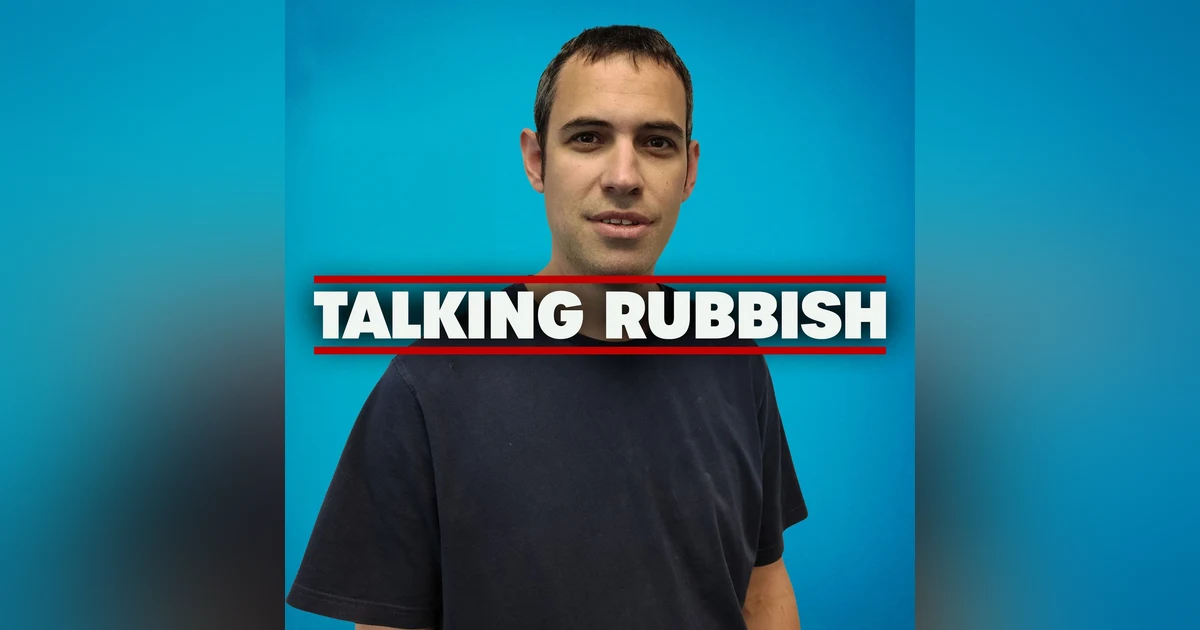

Much of the plastic packaging we use every day contains colours and additives that can be harmful, and that often prevent the plastic from being recycled at all. This week’s guest, Steven Burns, has spent years tackling that problem by developing ways to remove colour and additives from plastic, increasing its value and usability and making it far more likely to be recycled. In this episode, we explore how the process works, its potential to improve environmental outcomes, and how it could help reduce health concerns linked to plastic recycling.

 Apple Podcasts
 Spotify
 YouTube
 Amazon Music
 Castbox
 Podcast Addict
 PocketCasts
 Much of the plastic packaging we use every day contains colours and additives that can be harmful, and that often prevent the plastic from being recycled at all. This week’s guest, Steven Burns, has spent years tackling that problem by developing ways to remove colour and additives from plastic, increasing its value and usability and making it far more likely to be recycled. In this episode, we explore how the process works, its potential to improve environmental outcomes, and how it could help reduce health concerns linked to plastic recycling.
Join hosts James Piper and Robbie Staniforth as they delve into the world of recycling, hopefully having fun along the way. One thing is for sure, they will talk absolute rubbish from start to finish.
We would love you to join our community on Discord
Special thanks to our sponsor, Ecosurety
To get exclusive videos and clips, follow us on Instagram, TikTok, X, Threads or Facebook; @rubbishpodcast or YouTube: @talkingrubbishpodcast
Or you can contact James and Robbie with questions or just general rubbish musings using the email address talkingrubbishpodcast@gmail.com or by texting them via WhatsApp, our number is 07356 069 232
Relevant links and reports mentioned in the programme can be found on the Talking Rubbish Linktr.ee
Transcripts and episodes can be found on the Talking Rubbish website
Music licence ID: 6WPY8Q4O2RPFIOTL
Hello, welcome to Talking Rubbish, a weekly podcast delving deep into the world of recycling and discussing the truth behind snappy headlines and one-sided stories. I'm James Piper, author of the Rubbish Book, and I'm joined by Robbie Stannaforth, my Far From Rubbish friend. And we are joined today by Stephen Burns, our Far From Rubbish guest. Good morning, Robbie. Morning, James.
SPEAKER_02How are you today? Yeah, very good, thank you. Excited to really just dive into it with Stephen. He's such a font of knowledge, having had previous conversations with him. It's going to be great. It's been very busy on my uh my family WhatsApp group.
SPEAKER_01Oh, really? Waste related, I hope. Of course. The food waste bins have started arriving. Okay. Throughout the counties, food waste is arriving, isn't it? It's everywhere.
SPEAKER_02So lots of your family are getting used to a brand new thing of collecting food waste. I've done it for like 10 or 15 years now. It really doesn't seem like a big deal, but I suppose for some who've never done it, it must be huge.
SPEAKER_01But yes, my family had just given them, and it's so funny because they're like, oh, this is how you lock it. Oh, it's amazing. There's one for under a sink and one for outside. I'm like, oh my word. Yeah, decades. You know, we've been locking our food waste bins for a long time. Or just wait till they have the first fox knock their food bin over. It's very irritating. But yes, it has clearly taken over the country because everywhere I look, there's news articles about food waste bins. So I think next week we're gonna have to do this simpler recycling episode.
SPEAKER_02Yeah, definitely. It's the topic on everyone's lips at the moment when it comes to rubbish.
SPEAKER_01Great. Before we bring Steven in, let's just do some quick additions and corrections on things we've noticed this week. So in episode 73, we discussed battery flyers, and I just wanted to reflect on the majority of my social media. So many comments are saying this fire is the fault of the facility. It was not adequately prepared for batteries coming into it. And why don't they screen the waste before they process it? And I just thought it was worth addressing that. Let's actually think that through. You know, you can quickly search online for this fire. You don't need because there were lots of people saying it didn't really happen. Okay. So you can quickly search online for this particular fire that we were talking about, which was the Suez one. You can see the CCTV and the fire starts in the pile of rubbish. And so what's happened is it's been collected by a truck, it's ended up in the pile, ready to go into the sorting facility. But the fire starts before anything has happened to that pile of waste. So the only way of screening for it is for the people collecting our waste at curbside to go, there's a battery in this bin, I'm not collecting it. That is the only way of avoiding fires on a truck or fires on a site before that's the only screening thing you can do, right? There is a battery in this bin, I've got some tech that tells me there's a battery in this bin, I'm not collecting this bin. In the same way that Bristol refused to collect my recycling because it had wrapping paper in it. How long would these people who are really uh irritated about the fact that this facility was not adequately set up, how long would they accept their bin not being collected?
SPEAKER_02Well, I wonder if they're expecting the waste managers to actually dig through their waste to find each individual battery, pull it out for them, and then take the rest of the waste. It's like the expectations are ridiculous.
SPEAKER_01Yeah, we have all seen how quickly they collect our bins. You know, it's it's just so fast. There is no time for them to dig through the waste. And equally, you're not going to want to dig through your waste to find a battery. So I just wanted to address this view that if people just throw away batteries, there's nothing anyone can do about it. People don't recycle them, so facilities should be set up to protect from them. Well, seeing as a lot of the most of these fires happen on trucks, the only way of protecting from it is for the trucks not to collect the waste. And you just need to actually think about what that would look like in your day-to-day life if your bins weren't being collected because you'd put batteries in them. So it is way too simple to say they should just screen for it. And I just think we all just need to recycle our batteries.
SPEAKER_02Take personal responsibility, and it massively decreases this problem.
SPEAKER_01On Tuesday, I received an email from one of our influencers, Zoe. Now, Zoe had been catching up on talking rubbish, but not just catching up. She had been producing an incredibly detailed Word document with additions and corrections for every episode that she'd listened to.
SPEAKER_02Oh yes, this is that document you sent to me. It was unbelievable. Really. Zoe is really into the podcast.
SPEAKER_01Is there any other podcast that receives a Word document of all their mistakes? I don't think so. It was just lovely. It was done in a charitable and helpful way, we need to say, though, James. Oh yeah, and some of it was just lovely comments. The only issue I have with it, and Zoe, you know I'd really appreciate it. I sent you an email to say how much I loved it, and that I was going to mention it on the podcast. The only issue I have with it is sometimes my memory fails me, and I have no idea what she's talking about. So some of them are really easy. You know, for example, under episode four, yeah, excellent commentary on glitter, no argument here. Easy. We hate glitter. We know that. Yeah, we know that. On episode 55, which was Sabra's interview, standardization. Yes, please. Agreed. We like standardized packaging. I'm sure it's going to come up with our interview today. Absolutely. Some comments I had absolutely no idea. Episode 33, bottle of ketchup, agree. No idea what we were talking about there. Why were we talking about ketchup?
SPEAKER_02If you can't remember, I've got absolutely no chance of remembering.
SPEAKER_01Yeah, that's gone straight over my head. There was another one that said, get the thing out of the bottom of your bin with litter pickers. And I was like, get what? What have I done? The good thing is, I just want to say, Zoe, we do just think you're amazing. And I have thoroughly enjoyed reading through the notes. I now get to go back over these episodes to work out what the more cryptic ones mean. That is a fun game. So thank you very much for that. We end every interview with if you had an environmental superpower, what would it be and how would you use it? And I'm sure Steven's been thinking about his. But Zoe's was if I had a superpower, I would want it to be making people grow a conscience, particularly those in the oil industry. They have the capital to pivot and do the right thing by people in the planet, but due to self-interest and shareholder value, they choose the easy, destructive path. Powerful stuff. Thank you so much, Zoe. We'd like to take a moment to thank our sponsor, EcoSurity, who are on a mission to rid the world of unnecessary packaging. They help brands navigate the tricky world of extended producer responsibility, but that is not all. They also collaborate on some incredible recycling projects and consumer awareness campaigns for those tough to recycle materials. If you're an organization looking to make smarter packaging choices, check them out at ecosurity.com. And the best thing you can do to help Pod Podcast grow is to share us with your friends and family and also leave us a review. And if you do that, you could be Robbie's review of the week. And I can see Robbie's face because there is no Robbie's review of the week in our notes today.
SPEAKER_02There's a blank space. Am I expected to just make one up, James?
SPEAKER_01No, I'm gonna help you out, Robbie. As always. Now, the reason I haven't included a review today is because we received our first written one star review. Oh no. It was bound to happen at some point. And I didn't think it was fair to make you read your own faults.
SPEAKER_02Oh no, it was it was me personally that gave it one star. That meant it got one star, I should say. So I'm sorry about this, but I feel we've got to read it in the interest of transparency and openness.
SPEAKER_01Would you be reading this if it was about you, James? Uh no, I'll let you read the one star review about me. Okay. Haven't had one yet, but I'm sure it will exist. I mean, this could be about me. For all we know, this could be about me, but I've got a feeling the title What a Laugh is directed at you. Yeah, quite possibly. So this is from Moyes Holmes. Uh I would say thank you. I'm not sure I'm going to. I'm not sure they've even made it. Well, they won't have made it to episode 80, will they?
SPEAKER_02So Well, I don't recognise the name, so it's it's not an immediate arch nemesis of mine.
SPEAKER_01Okay, Moyes Holmes. I am afraid I dread the next high-pitched, squeaky laugh. Otherwise, I would listen to this informative podcast. I think that's three stars. I think you've you've literally said informative podcast. It's a bit harsh to then take us down because of Mr. Elephant Seal. They're literally saying it's my hyena laugh is the only reason why they don't tune in. Now, I didn't feel this was fair, okay? Now, I genuinely don't feel this is fair because we have lots of comments on your laughs. People love it. 95% of people, as evidenced by our reviews, think it's great. It brings humour, we're not boring. Like, it's fine. There's plenty of recycling podcasts out there where nobody laughs. And if you want to listen to them, go listen to them. Don't listen to us. I do think we've got better over time. Now, at risk of making you laugh, Robbie, at what I've done here, which will just compound the issue. I added all of our episodes to AI and asked it to calculate how many laughs we do per episode and whether we have got better over time. Oh, really? Oh my gosh. Okay, what is in fewer laughs or more laughs? What's better? Uh, I think fewer is better on the basis of this review. Yeah. Oh, okay. See. Now, I'm gonna put this graph up on social media. We have had a big decrease since episode one. So we roughly halved between episode one and ten, and then we halved again up to episode 20, and then we have stayed very static from episode 30. I asked AI to give me a summary of what this meant, and they said the criticism was valid early, but you clearly fixed it. Episode one had a much higher laugh density. By episode 10, laughter is cut roughly in half, and by episode 20, it reaches a low, controlled level. And it did caveat by saying this graph represents clear, audible laughter only. It underrepresents chuckles, smiles in the voices, or overlapping laughs. It means the trend is rock solid, but the absolute graph is probably incorrect. So I think the trouble is someone's going to give us a one-star review after a couple of episodes. But you've actually done a great job improving your laugh. And I think the listeners appreciate that.
SPEAKER_02I think the listeners should be appreciating the editing. Because I promise you I laugh as much now as I did in the first one.
SPEAKER_01Takes a long time to edit this podcast. Um, anyway, you can stop laughing. You're making it worse. Oh god. Morris Holmes is fuming, absolutely fuming inside at home. You can follow us at rubbishpodcast, you can email talkingrubbishpodcast at gmail.com, or you can WhatsApp us. Also join our Discord. It's the easiest way to engage with us and listeners of the show. And the link to all of those things is in the show notes. Today we're joined by Stephen Burns, who's the commercial director for a company called Reventus. And I met Stephen back in 2014. I think we started working together on around 2018, and this was on a project to remove colour from plastic. And as you will know from last week, we're a bit obsessed with colour and plastic and how it can potentially devalue our recycling stream. So removing it can be a way of massively increasing recycling rates. So this is a project I'm really excited by. And we wanted to bring Stephen on because Preventers are doing exactly that. So they've taken that solution and scaled it. And so gonna have huge amounts of knowledge about how this process works. So hello, Stephen.
SPEAKER_00Hi, James. Hi, Robbie. Great to be here.
SPEAKER_01Hi, thanks for joining us on Talking Rubbish. It's great to have you on. And I guess it's probably worth starting at the beginning about how we started working together and that initial project. We'll get into the detail on it, but just give us a bit of a background to that.
SPEAKER_00Yeah, so I think we started working together when we were first formulating the idea of how can you upvalue mechanically recycled plastic. Like I'm sure you've talked about it on the show before, that a lot of the plastic that's mechanically recycled ends up in black products because of the mix of colours. And there's only so many black things we need in the world. Um, so the idea was how can we remove the colour and so that you can make that recycled plastic any colour, and that's where we started the journey with you guys. And I think where we're now eight years later, we've moved our understanding on, and we're much closer now to making it a commercial reality.
SPEAKER_01It's just worth explaining what we were doing because I I think one of the interesting things about that project when it started, as I recall, was we were looking for specific pigments. So I had this idea that you might take, for example, the purple quality street plastic that you get after Christmas, you might collect all that up, as friend of the podcast Teddy's been doing, and you might go, okay, let's remove that purple, that very specific pigment. And so it was super experimental because it was that if we took all these materials, could we remove that specific pigment? That's kind of how it started, right?
SPEAKER_00Yeah, exactly. That the original plan was could you remove specific pigments from the plastic? And that's what we tried. And uh we showed we could do it. I think the big challenge is there is so many pigments, there's so many colorants, there's so many additives, and there's so many chemicals that plastics pick up along the way that you would just have to remove so many different pigments to make that work.
SPEAKER_01Yeah, it didn't make sense to go, okay, we're doing purple today, and we're doing this very specific quality street purple because uh having to sort that stream out before it gets to you would be really complicated.
SPEAKER_00Correct. And you say purple and quality street purple, but I'm pretty sure if I started looking at the chemistries, they would be using five different chemicals to create the purple colour.
SPEAKER_02And then in terms of your background and your way into it, Stephen, just to tell us a little bit about how you came to this from a science background as I understand it, and looking at sort of chemical science. Is that your background?
SPEAKER_00My technical background is a geologist, believe it or not. Um so absolutely nothing to do with what I'm doing here. I fell into the world of recycling kind of accidentally. I started my career out in Asia running bars and restaurants, and one of the owners of the restaurant group also had a paper recycling operation because they recycled all the paper packaging that came from their bar and restaurant group. And from that I fell into the world of electronic recycling, and I repaired and refurbished and recycled electronic components and the plastic housings for about eight years out in Southeast Asia for coming back to Europe and founding a mechanical plastic recycling company. And that's how I've ended up in this world.
SPEAKER_02Okay, and so it's the challenge that plastics represents that you've been looking at. The colour is one aspect. And just coming back to that, how is it that you went about this taking the colour out of plastic? Where did you start and where did you get to by the end of the project?
SPEAKER_00Well, I think taking a step back, where did we start on plastics? We started on the challenge was separating the different polymers. So separating polyethylene for polypropylene. And originally when I came into it, that was what I saw as the challenge. It wasn't until we had solved that challenge, and there's lots of different technologies that can very effectively separate plastic today. It wasn't until we'd done that that we realized, well, actually, what do you do with this plastic now? It's full of colours, it's all different. And we thought, well, the only way that you can really make recycling work is if you can get back to as close as the natural polymer where you started as possible. And that's where we started on how do we go about solving this challenge? And the project we started with, James and yourself, Robbie, was really our first stab at how can we solve this challenge.
SPEAKER_02And to be clear, like when you say it's natural colour for the influencers out there, you is that white, natural, clear? What do you mean by sort of it's it's its normal colour? I'm doing those uh inverted comma quotation marks.
SPEAKER_00I think clear is the important um word here because even a white plastic is not how it is produced. If it's a white plastic, it's actually got a colorant in it to make it white.
SPEAKER_01So clear plastic, that's what we're trying to get back to. Not so like milk bottle natural, what would you call that?
SPEAKER_00Yeah, milk milk bottles close to natural juice. Okay. It's probably a good example of where polymer starts its life colour-wise. Okay, yeah. That kind of cloudy plastic.
SPEAKER_01I guess I'm interested in the progression from where we were back then and where you've got to today. So when you started with this and you said we've got to remove colour, how were you doing it? What was the process? And then how does that differ from where you are today?
SPEAKER_00So we started with a process where we were using a chemical solvent to dissolve the colour pigments within the plastic. And a very easy analogy to this is when you put sugar into your cup of tea and you stir it, the tea is your solvent and it dissolves your sugar. And your sugar ends up in solution. And that's exactly what we were trying to do with plastic and the colours, is we were trying to move the colour into the liquid so that we could then remove it from the solid plastic.
SPEAKER_01And when we talk about then specific colours, did you need specific chemicals? Why would you need to sort it by, you know, why would you need that specific purple or that specific yellow before you could remove that colour?
SPEAKER_00Yeah, and and that was the big problem with where we started was the different chemicals used to create colours within plastics, whether that's an inorganic pigment, so it's something like an iron oxide would create a red colour, um, or you can have various natural dyes that create other colours like blues and yellows. And you essentially need a different chemical for each of the different colours to get that chemical to dissolve into your liquid. And so we very quickly decided it just wasn't feasible, and we pivoted to well, what is the component of the plastic which is then most, and that's the plastic itself, the polymer. So we started dissolving the polymer into solvent.
SPEAKER_01You basically reversed it.
SPEAKER_00We basically reversed it, yes.
SPEAKER_01Okay. It's the old how do you move at light speed? You don't move, you move space around you. You just need to think of it completely differently.
SPEAKER_00Absolutely correct, yes.
SPEAKER_01So do you have a different solvent then for each of the plastic types? So you would say, okay, this is PE, it's going to require something different to PP.
SPEAKER_00You can do it that way. In actual fact, we use the same solvent for polyethylene and polypropylene, and we use differences in time and temperature to ensure separation.
SPEAKER_01Wow, okay. Explain it to me like I'm five process. So I've got some plastic, I've got a mixed load of pl a load of jazz. How do you want it coming into your facility? Do you want it shredded up? Do you want it whole? And then just walk us through that process.
SPEAKER_00Yeah, uh generally we take in a already mechanically sorted shredded plastic. If you can do stuff outside the solvent, it makes sense just to do it because solvents tend to be expensive, they can be toxic, they can be flammable, so if you can do things outside of a liquid by sorting or size reducing, it's beneficial. We then take that shred and we essentially throw it into a tank full of a solvent and we mix it all up, and that creates the polymer to disappear into the liquid. Exactly like you would then have water filtration, you pass the dirty water or the dirty solvent through filters, it removes everything that wasn't dissolved into the solvent, and then you recover from the solvent your plastic that's left behind. And that recovered plastic is then entirely natural, it has nothing in it. You've removed it all in the filters, just like if you were filtering dirty water, you'd create clean drinking water.
SPEAKER_01Okay, so I know this is more there's more chemistry to this, but the principle is you're putting the plastic into the liquid component, and then all the other stuff, which you know, imagining uh rice or something, you know, you're f you're stopping it in the sieve, and then all of the liquid that comes out the other side of the sieve is a mix of your solvent and plastic, and then all you have to do is separate the solvent and plastic.
SPEAKER_00Spot on, James. It's really simple. Or at least it sounds very simple.
SPEAKER_02You've definitely explained it simply enough for my mind to get it, uh, Steve. So well done you. Uh in terms of then, so you've turned it into a liquid. You know, the solvent turns the plastic into a liquid, and then at some point you've got to turn it back into a solid at a later stage, once you've got the polymer separated on its own. Is that something that you do, or is that further down the pr process? Some some other refiner does that?
SPEAKER_00That's something we do, and you do it simply by there's a couple of ways you can do it. You can boil the solvent off in the same way you would boil water off in a desalination plant, or you can physically mechanically press the liquid solvent back out of the polymer in the same way you would if you were creating fertilizer form from cow effluent.
SPEAKER_01And is the plastic that comes out the same quality that went in, or are you degrading that plastic at all? Because we often talk about recycling processes, and often chemical processes don't degree. But recycling processes do degrade plastic and so it can only be recycled a certain amount of times. Does this process keep the strength in the plastic that means you could recycle it more?
SPEAKER_00I'll probably challenge you a bit on that, James, because that is the universal understanding that when you process a plastic, you get degradation. In our view, you don't get the degradation. The degradation happens because when you recycle polymer or plastics, there is always contamination left. No matter how well you clean it, there's always something there, even if it's a tiny, tiny fraction that over time builds up. And it's that contamination that causes the degradation in properties. So if you remove absolutely everything from the polymer that you're recycling, you have exactly what went in is what comes out with no degradation because there's nothing in it now to cause the degradation. And you can add back in the additives that you've taken out to give it different mechanical properties or to be used in different applications.
SPEAKER_02And so I'm interested in, you know, you have to be quite protective, don't you, over what you do and explaining like exactly the types of chemicals you use and exactly what the process is? And I suppose I'm wondering to what degree can you talk openly about your technical processes for fear of sort of losing your IP and your sort of uh commercial advantage versus your competitors. Is that a tricky thing that you need to navigate, or are you quite open with your technologies and how you go about doing this? What seems like quite a complicated process, that albeit one that you've done down for us a little bit?
SPEAKER_00When we started on this, I had exactly that view, Robbie, that it was something you had to protect because it just sounds so simple. And when we first tried it, we were like, well, why is nobody doing this? This is so simple, this is so straightforward. Over the last eight years, we've learned why people are not doing this and how tricky it is to do it, how careful you have to be with operating temperatures, how many different things people put into plastics, and therefore, how do you actually filter all those things out? How do you remove the solvent without chemically affecting the polymer itself? And we've got all this knowledge now on how you do it, which we know nobody else has got. So they're the things that we don't tell people. But in terms of what our solvent is or what our process is, we're actually very open about it because it's straightforward. People know it, they've known it for 60, 70, 80 years. I think when I first looked at this, there was a Swedish patent from the 1950s, which basically describes the process we run.
SPEAKER_02Wow, amazing. And so, really, the thing that is protected is just exactly how you apply said processes and some of the minor tweaking that you do to the solvents and the machines in terms of timings and stuff, not the fundamental process itself.
SPEAKER_00We have a lot of um IEP intellectual property around how we put the polymer into the liquid in the first place, how we make the dissolution happen. Because plastics are actually very difficult to put into solution, and you can generally do it by going to very high pressures and very high temperatures. The problem with that is it uses a lot of energy, and energy is expensive and a lot of carbon emissions. So it kind of defeats the purpose of going down high pressure, high temperature routes. We've developed a method where we can do it at relatively low temperature, low pressures, and therefore it's a lot more environmentally sustainable.
SPEAKER_01You've sort of touched on costs and I'd like to get into the economics in a bit more detail because you're playing in a space where plastic values change all the time. And you know, even on this podcast, we last week we talked about the prices in December 25, right? They'll be wrong now already. So we try and avoid talking too much about prices here. But what you're trying to do is, from my understanding, is do a process that turns a not so valuable plastic into a valuable plastic. And your process can't cost more than the difference between those two price points, right? Because if your process costs more, no one's going to buy your plastic. I would imagine your costs are relatively stable. You know, the costs of the solvent and okay, not so much energy, but the costs of the process, I suspect, are quite stable. How do you balance the fact that you've got a process with stability against a market that is, by definition, completely unstable at the moment?
SPEAKER_00That that is the challenge, James. And that that is the problem every recycler worldwide currently has on how do you take a very dirty mixed waste feedstock and economically get it to the point that it's the same as a virgin plastic when an oil and gas company can simply take the oil out of the ground, create the ethylene, and create the polymer. And it one of the reasons nobody has done dissolution until the last five years, and there's a couple of companies working in this space around the world now, is ten years ago it simply wouldn't have been viable because nobody was willing to pay more for the plastic than they could pay for virgin. What has changed is that if you have a high-quality recyclet, there is companies out there who will pay more for it because it is the right thing to do to use recycled content. And obviously, you've got things like the recycling tax or the recycle content tax in the UK, you've got regulation coming into Europe, which is forcing brand owners and packaging manufacturers and automotive companies to put recycled plastic into their products.
SPEAKER_01It's funny, isn't it? For the more you know, the decade I've known you, I've always thought of you guys as a super innovative, experimental group of people who everything we've done, you know, everything you've ever done, I'm like, wow, that's amazing. I've never even thought about that. We could talk about the sorting of flexible plastics that you've worked on and all those things, but I actually think this is a really interesting conversation, just focused in on colour. But there's so many projects I'm sure you could talk about that you've worked on over the years. I've never thought of you as a recycler. And as you're talking, I'm suddenly realizing that you are considering yourself a recycler like other recyclers are. And yeah, and do you think you've shifted your position from experimental innovators into an at-scale recycler? Is that is that the change that's happened since like 2014 when we first met?
SPEAKER_00Yeah, I I I I think in 2014 we were looking at what we could do to make a difference in recycling. Um, and from the journey of coming up with a separation device which was being run essentially on a little table in an office, to a company being formed and running at tens of thousands of tons a year of waste plastic being recycled. We've along that journey, we've learned a huge amount of how the market works, what people actually want, what the problems actually are to putting recycled polymer into a product. It's not as simple as just separating it and creating a pellet. There's an awful lot more, as you guys know, that goes into how do you actually make that bottle, how do you actually blow that piece of film.
SPEAKER_02And so you mentioned about like there's more markets now and more demand, which helps you with your kind of business model and makes it all the more worthwhile. We talk often on the podcast about HDPE, PET being obvious markets where there's lots of recycle content going into bottles, for example. Where else are you seeing demand for recycle content? You know, is it going into other applications? We've talked also about how difficult it is for food contact purposes to use uh recycle content. What what what are you seeing that has changed and and sort of buoyed you in the last 10 years?
SPEAKER_00Well, I I think you touched on it there. There is the food contact applications of which outside of PET today, there is very, very little available material, down to in some cases, just no material on the market that is suitable. But it's not just food packaging, it things like um we talked to you talked about bottles, and there's a lot of recycled content that goes into shampoo bottles, for instance. But that is a product that you put on your hair and you immediately wash off. So the the product itself is not in contact with your skin for very long, and therefore the bottle itself can have more contamination in it than otherwise, if, say, you were using a sun cream, which you're putting on your skin and you're leaving on your skin, and therefore any contamination that was in the bottle can transfer to the sun cream and end up on your skin. So there is loads of products, out packaging products out there where they simply cannot use recycled materials because of the risk of a chemical ending up on your skin. In the same way as there's very little polypropylene that can go into um uh food films using food applications.
SPEAKER_01I guess it's an important point that we sort of talk about colour because that's how we themed the last couple of episodes. But you're talking about all additives, you're talking about taking it back to a pure plastic. Essentially, it's as good as virgin at the point it's gone through your process. So, in this utopia that I like to exist in, if this system could work at scale and the costs always made sense, um, as in energy costs always remained low and the solvent cost was workable at scale and all those things, and you could do every single turn the planet, are you saying that there would be no degradation of plastic? We could essentially stop creating new plastic because we have enough right now, and actually we'd just recycle it, turn it back into as good as virgin, and we wouldn't need to keep creating it out of oil. Is that is that basically a summary of what you're saying?
SPEAKER_00Right. I think that's a very utopia view. Um you're always gonna have losses along the supply chain, but you will you will get every time you blow, take the recycle material and you blow a bottle, you'll get a little bit of degradation simply because of the thermal heat that's gone into the process. Um you will, in its lifetime, like you put a thousand bottles out, you're not gonna get a thousand bottles back if there's no way that would work. I very much see it as you could get plastic to the level where maybe you have paper today, where essentially you can keep recycling paper and you're topping it up with virgin paper on essentially every cycle. So you're maybe I I think the figures I've seen is maybe you get 30% new plastic oh sorry, paper every time you go around the loop.
SPEAKER_01We had an email in from one of our influencers, Tom, a few weeks ago, and I was gonna do it as a rubbish question, but actually it's kind of relevant to this process. He was basically asking, he's got a PET tray with a PET top film, from what I can see, and they use a glue between the tray and the film. And he was asking, is the glue a contaminant or can this be recycled? I mean, my view is the percentage of glue is gonna be so low that it'll be fine. But actually, lots of recyclers were saying they felt it wasn't recyclable because of this glue. Fascinating. Is that the kind of thing you would also look for outside of colour? Would you say, well, actually, this is a really good method to get rid of glues and things that can really affect recycling processes?
SPEAKER_00Absolutely. And I'd agree with what the recyclers were saying, James, that while the glue on its own may not make it unrecyclable that time, if you then make another pet bottle or a pet tray out of that recycled material, you've ingrained that adhesive or that glue within that tray. And the next time you recycle it with more glue on, you're just increasing the amount of contamination. And at some point you just can't use it anymore, whether it's the second cycle or the third cycle.
SPEAKER_01That's really interesting. I think that thank you for answering Tom's question. I guess that's on the basis that you keep it as a food grade idea rather than downcycling it into some other form of PT. You're talking about if you keep it at food grade level.
SPEAKER_00Yeah, this is where you your question came earlier about plastic getting degraded when you recycle it. That's why it gets degraded, because there's always something in there, whether it's a colour or it's a glue or a bit of paint or a laminate, there's always something there that is a contaminant.
SPEAKER_01And so because you've got this process, do you get as frustrated by colour as we do, or do you see it as an opportunity? So if Buzzballs approached you and said Not Buzzballs, I just say it to wine rugby. Um If Buzzballs approached you and said, we're gonna keep putting green plastic on the market and red plastic and white plastic because actually we like the branding, would you say, actually, my first response is move to clear? Or would you say, Oh fine, we'll just take it and we'll put it through our process, don't worry about it. Like what's your advice to the brands putting things on the market? Rely on a process at the recycling level to remove the stuff they're putting in, or to just start with a quality product in the first place?
SPEAKER_00I think it's a bit of both. There's some applications where there's absolutely no need for the colour, it's just put on for marketing reasons, but there is a lot of packaging products that the bottle is not see-frough for a reason. I'm just trying to think of ones that we've looked at before. We've done a lot of work looking at waste in India, um, where they don't really use milk bottles, they use uh plastic pouches to put the milk in. And those pouches are not clear because they don't want the sunlight in contact with the milk. But they put uh what's called titanium dioxide in, which causes a white colour, which stops the sunlight getting to the milk to protect the milk. So in that instance, they've done it to keep the product itself safe, and that's absolutely clear. If you came to me and said, Oh, we're going to start making blue milk bottles in the UK because it'll look better on the shelf, I'd say that's a rubbish idea.
SPEAKER_01Interesting. So where it's got a practical purpose. I mean, do we have any other examples in the UK of a colour for a practical purpose?
SPEAKER_00I think there's a lot of cases where we're so ingrained in us. I think crisp packets is probably the one I can think of because they are a real challenge for recycling. I'm not sure if you went in the supermarket and you could just see clear packaging and see all the crisps that people would accept that.
SPEAKER_01Yeah, do we we should do a vote? Like, is that a thing? I would love it.
SPEAKER_02Yeah. But there are some premium crisps, aren't there, where you can see inside the like sort of um, you know, baked ones and it's like a clear packet. James is shaking his head. What? What are you talking about?
SPEAKER_01Clear packets of crisps. Yeah. Where are you shopping?
SPEAKER_02Absolutely.
SPEAKER_00There definitely are some, aren't there? The downside to that, Robbie, is that there is a reason crisp packets are made the way they are. They tend to have an aluminium layer in them. It's like sprayed on aluminium particles and it's done to stop the oxygen getting to the crisps so that the crisps actually last when they're on the shelf. Because nobody likes a stale crisp when they open their crisp bags.
SPEAKER_02Absolutely not. I'm gonna try to find one of these bags of crisps for yeah.
SPEAKER_01At the risk of sounding stupid, because I can't think of any can of influencer just send me a photo of a C through packet of crisps. I don't believe that it could be. Tortilla chips. I'll I'll I'll I'm gonna go into Tesco in a minute and prove it to you. Well, no, hang on. Your hang on. Your definition of crisp is far wider than mine. You're gonna be sending me pictures of popcorn bags. This isn't fair. We're talking about you said a potato crisp. Okay, potato chip. You can't start.
SPEAKER_02I can see what's gonna happen already. And so the other thing we get on colour and consumer acceptance is the greying of the PET plastic bottle because of the post-consumer recycle content that's in there. Do you foresee that there will in future be greater customer acceptance of other types of packaging format where people will just not either not notice or slightly notice but not really care, as they've classically done with the you know, 500 millilitre Coca-Cola bottle that is definitely a lot greyer now than it was 10 years ago.
SPEAKER_00I'm hoping as technologies like ours take off, Robbie, that we avoid that problem because we won't have that colour contamination, even at the parts per million that you're talking about, to cause the grey colour. Because that's where it comes from, it's contamination. So if we're removing it, the colour can stay the same all the way through multiple product life cycles.
SPEAKER_01And do you think because there's a health implication of what you're talking about, so much of the plastic debate is is it bad for our health? And so much of the it's bad for our health is actually the additives and chemicals that are added, you know, to stabilize it or to bring it to us or whatever it is. I'm intrigued as to the premium that brands will pay in the future to go through a process like yours because actually the health implications are the biggest topic.
SPEAKER_00Yeah, and this is where technologies like ours will initially be used in food contact applications, where the risk of a company putting out a piece of packaging that has a contaminant in and the health implications that may have on the food stuff within it is ginormous. So it's both it's very hard for a company today to go and buy recycled plastic and make it into a a crisp packet because there could be something in that plastic that the human ends up eating. And that's just not an acceptable risk for any company to put material out. So they get they need technologies like what we're developing to have that risk mitigation and security that the polymer they're putting into the marketplace doesn't have any health risk.
SPEAKER_01Who was it? The Food Standards Agency put out that comment about ocean plastics and that you shouldn't use ocean-bound plastic in certain applications, particularly food contact and and other areas, because you don't know where it's come from, you don't know where it's been, you don't know which country it came from. It might have come from a country where doesn't have the same regulations around their plastic. But then I see continual startup after startup who are like we're taking ocean-bound plastic and turning it into water bottles or food grade plastic or and it I find that so frustrating because the public latch onto it as a, wow, I'm gonna buy this water bottle that was made of ocean-bound plastic. And in the background, I'm thinking that goes against everything we should be doing from a health perspective. And here you are with a solution for that kind of plastic where people could be collecting up ocean-bound plastic that's come from any country. You can remove the additives, remove the colours, remove anything that could be dangerous and put it back to a plastic that can then be used. How do you feel about those companies you see that are doing that sort of thing?
SPEAKER_00I have my own views on whether the material was actually from an ocean in the first place, or whether it whether it was recycled material at all, James. And I think uh I I've been making these comments for easily the last six, seven years. Um there was a European Commission report that came out over Christmas where for the first time I saw a government acknowledging that there was material coming into Europe called recycled that was not recycled material. It was simply virgin material that was sold as recycled. And uh I've seen many definitions used of what ocean-bound plastic is, right down to a definition that used to be used, probably still is in some cases, that if the polymer uh was collected within 50 miles of a watercourse, it could be classed as recovered from the ocean. And there were companies seven years ago in China who were taking virgin polymer bags, placing them outside the gate, having the company across the road collect the gate and say it was ocean-recovered polymer.
SPEAKER_01I've heard those stories. And I mean that is a really nonsense claim because there's so many ways of finding a loophole in that to give yourself increased value in your plastic. And so are we seeing a reduction in additives and colours? As the health stories become bigger, you know, and people are more concerned about the type of packaging they're buying, and particularly around plastics. Are we seeing companies go, actually, I want to use fewer additives, I want to use fewer colours, I want to bring things to clear, you know, ready meals is a great example where I'm seeing more and more ready meals that are clear because people want to show it doesn't have ultra-processed food in, they want to show that it's natural and got lots of veg. And they do that by having the clear plastic. Do you think we're going to see that more and more as a trend? Less colour in our plastic, less additives.
SPEAKER_00I'm not convinced we are. Part of the reason for that is a lot of the additives and a lot of the colours are put in for a reason. Like it costs more to create a coloured plastic than it does a natural plastic, for one. The compounds you use to create the colour cost a lot of money. By weight, they're a lot more expensive than the polymer. So companies are not making something coloured or putting an additive in for no reason. They're doing it usually because it well, two two things. One for the branding and one for it protects the product that they are putting out in the market. A lot of these companies don't sell packaging, they sell the product that's within the packaging. So that's what they care about most, protecting their product.
SPEAKER_01It's funny, isn't it? How from a branding perspective. Black in packaging became the luxury. And yeah, that was the cheapest colour. It was really easy to create black plastic. You just add carbon black, right? And that's the cheapest colour. It'll be interesting to see whether clear becomes the luxury, you know, as we start defining how buying clear plastic makes it more valuable. Could we turn that into the luxury packaging?
SPEAKER_02Yeah, correct. And there's one piece of terminology that you can really help me with, I hope, Stephen. Master batch. Explain to me when I'm walking around these plants and they're saying we're adding in this master batch, what they really mean by that. Does that mean polymer that they're adding, or does that mean chemicals and colour, or is it a mix of both?
SPEAKER_00So that's a mix of both. So generally a master batch will be a polymer, which is very heavily loaded with the chemical that is doing whatever they want it to do. So usually creating the colour. A very common example of a red material would be a master batch, and it will be the polymers that say uh polyethylene loaded with say 20% iron oxide, which is a mineral. And that will be a very dark red material. Then you put the master batch into your virgin polymer, and you it will create a red, nice red colour.
SPEAKER_02And that virgin polymer, or potentially some some of your clear recycled polymer, that's that natural colour that will take uh whatever colour you want to add to it. It's the neutral colour, so to speak. Yeah. So the master batch is the stuff that's added to that clear, natural, uh neutral colour that seemingly is not good enough for the marketeers and also for some technical purposes, too, uh, in the example of uh in Indian milk uh pouches.
SPEAKER_00A good example of that is if you've got something that's been mechanically recycled today and it's it's started going grey, Robbie, if you want to make that product red, you have to put in a lot more master batch to get the grey plastic back to the nice red colour you want than if you started with the natural colour in the first place. And so you so you make the expense because the master batch is the expensive bit. And if you have to double the amount of master batch, you drastically increase your costs.
SPEAKER_02Okay, I see. So now we're really heading into my daughter's paint mixing uh when she's doing when she sat at the kitchen table creating her latest artwork. So just finally on that, in your view, then, does the colour matter? You've got this technology. Is your view you can use what you like because we'll dissolve it and get it back to what it needs to be, or is your message help us out by using fewer chemicals that cause these colours, because it is a long and arduous process, and the easier you can make it for us, the better.
SPEAKER_00The only one I would change is, and James mentioned it already, carbon black. The colour itself is fine. The problem is some of the carbon black particles are so small and so fine that it's very difficult to filter. And if they used carbon black particles which were just slightly bigger, it would make our job way easier. Um but nobody likes carbon black. No, no recycler likes carbon black.
SPEAKER_01But there's no process that you could put that carbon black through to join those particles together before you did the filtration.
SPEAKER_00That that's one of our secret source components, James, is that we do exactly that in our process. We cause particles to join together and therefore they're easier to filter. Smaller you start with, the harder it is to make it bigger and the harder it is to filter.
SPEAKER_01So Wow, Stephen, if you're looking for a consultant, I'm happy to provide my very, very limited expertise to you. This has genuinely been fascinating. I can't believe how fast the time has flown. I don't know how everyone's how everyone listening is feeling, but for us, it uh this time has flown, and we've got a couple of questions, obviously, we want to end with. I guess just before we get into those questions, what's the vision for the future? Where are you guys heading? Uh, you know, how big do you want this to get? How do you facilitate what I believe is really important, which is more and more UK recycling, less exporting? Like what does your dream situation for Aventus look like?
SPEAKER_00So we're we're currently doing an engineering design package to build a first of a kind plant, which uh may or may not be built in Scotland on the Grangemouth site where Ineos are. Um we do have other options. Has that Ineos site just closed? Did I read that? The Petro Ineos part of Grangemouth is closing, which is the oil refinery part. The polymer production part, which is owned by Ineos themselves, is continuing.
SPEAKER_01Okay, yeah, I've been up to that site. Very interesting.
SPEAKER_00Yeah. So so we're so we will be building that, that's slated, hopefully to be operational in 2028. We're also looking at another site in the Netherlands, and we're working with four different petrochemical companies around the world. We're working with about five different brands, we're working with a number of plastic converters who all want the technology for different feedstocks, for different applications, for different market areas. And this is down, this is packaging, food packaging, automotive. So a lot of the components in your car are plastic, a lot of the interior parts of the car are plastic, and it's very, very difficult to put recycle in because of odour and smell that you would get from recycle. And when you're in a confined space, it can get very humid in there, the smell comes out, the plastic, and nobody likes a smelly car.
SPEAKER_01You were using words there, petrochemical companies, brands to some extent, that people listening who are skeptical of the plastic recycling process might go, oh, you're working with the bad guys. And obviously, sometimes we have to work with the bad guys because you've got, you know, they're the ones who are driving the material. And if you can get them doing something differently, that potentially is a good thing. But I guess how driven are they to use this technology to improve their processes? How much are you seeing from the brands of the petrochemical industry that they want to get better?
SPEAKER_00I've been surprised over the last six years how much some of the petrochemical companies, the oil and gas companies, as you describe them, the bad guys, um, actually do want to change. But they are businesses. So if they can take oil from the ground and make polymer and sell it, that's what they'll do if that's where the best profit margin is. If they can recycle the plastic and they can sell a product that's equivalent to the oil-derived product, they'll do it because there's money to be made. So it's about giving them something that allows them to continue making money. And I do believe in 10, 15, 20 years, a lot of the oil and gas companies will be the waste companies because they will see plastic waste as their feedstocks and they will start securing that material to put into their chemical processes that they can produce recycled polymers from.
SPEAKER_02And I'd just like to quickly squeeze a question in. I've been itching to ask it for about the last half an hour. What's your favourite colour and why? You should have allowed me to prepare that one, Robin.
SPEAKER_01I don't think we allowed you to prepare any of this, did we? I don't think I've sent you anything. No, yeah, you haven't. This is a very fluid conversation, but I'm enjoying it. Yeah, it's good. Thank you. I've given you time to think about your colour there.
SPEAKER_00I I think it'd have to say blue just purely because the football team I support play in blue, Robbie.
SPEAKER_01So okay. Robbie, don't try and pretend we know about football. Do you know about football? I mean, I know a small amount. Chelsea?
SPEAKER_00It's not an English team, so.
SPEAKER_01Okay, so we said we'd uh end about three questions ago, but you can see we could just carry on talking. So let me we always, whenever we have an interview, we like to offer a listener a gift, a influencer a gift. So, Stephen, did you have an idea of something that we could offer as a prize to one of our influencers?
SPEAKER_00I I think a great gift, and this is really touching on my experience of where I started, would be a soldering iron, James. And my basis of saying a soldering iron is when I started out in the world of recycling, I was doing electronic recycling. And I learned, I was taught by one of the technicians we had how to solder wires and connectors onto circuit boards. And it's so easy to do. And I have repaired over the years so many children's toys. So three kids later, I have managed to keep so many different toys in circulation, just from the simple skill of being able to solder a wire onto a circuit board. So everybody should be able to do it.
SPEAKER_01Assuming there's no restrictions to me posting a soldering iron, which I'm sure there aren't, I will uh I will offer that to one of our influencers. So if you want the opportunity to win a soldiering iron, which I'd love, it's like a super unique gift. Uh so thank you for that, Stephen. If you want the opportunity to win a soldiering iron, just follow us at rubbish podcast over on Instagram and like the post announcing Stephen's episode. And the question we ask every guest, and like to end these interviews with if you had an environmental superpower, what would it be and how would you use it?
SPEAKER_00So I think the the thing that infuriates me most still is every day you go on LinkedIn and there's another post of a new piece of packaging that has been designed that it's made of paper with a plastic liner on and an aluminium layer and then a cap made of something else, and completely unrecyclable, completely pointless, destined to end up one place and one place only, which is an incinerator. Um, and therefore my superpower would be just to simply incinerate that piece of packaging before it hit the supermarket shelf.
SPEAKER_02Very good. Let's move the incinerator up the chain. Pre-consumer incineration.
SPEAKER_00I mean it's get get rid of it before it causes a problem. It's going there anyway. Might get the um packaging designers to use a bit more common sense sometimes.
SPEAKER_02Burn the first one before there's millions of them. Very good.
SPEAKER_01Do you reckon the soldering iron would do it if you took it to some of that paper? Would it uh I think you need a bit more heat than that, but Stephen, thank you so much for joining us today. Genuinely, the time has flown and I have really, really enjoyed this conversation. I've learned loads, and it's been great knowing you over the years, and I think just the fact that I'm still learning huge amounts from you is is just testament to how much you bring to the industry. So thank you so much for joining us and giving us an hour of your time. I'm sure the influencers all really appreciate it.
SPEAKER_00Thanks for having me on. I've been listening to this since you started it, and I think I remember your book when you brought it out, James. So yeah. Um, yeah, it's great, great to be involved and anything I can do, always a pleasure.
SPEAKER_01Great, thank you so much. And to all of you, thank you all for listening. Thank you for the reviews and engagement. We absolutely love getting the opportunity to do this podcast. Join our Discord, follow us on social media at rubbishpodcast. You can email talkingrubbishpodcast at gmail.com or you can WhatsApp us. And everything we've discussed today can be found on our link tree, and the details to all of those things can be found in the show notes. There is nothing left for me to say other than see you next bin day. Bye. Bye. Bye.
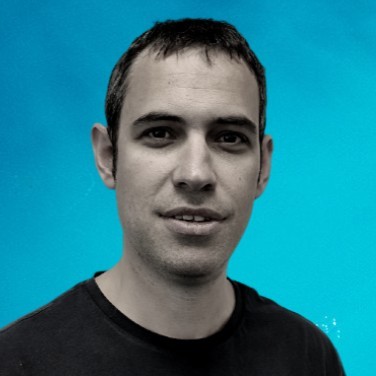
Co Founder - ReVentas
Steven has over 20 years of experience in the recycling industry, from electronics to plastics and Europe to South East Asia.
Steven leads teams which identify and solve recycling challenges and found companies to solve these challenges.
Steven’s experience gives him great insight into the recycled supply chains (feedstock through to manufacturing) throughout Europe and Asia, while sitting on both the CEN and ISO committees for Plastic Recycling as a representative of the UK on the international stage.