74. Should LEGO use recycled plastic?
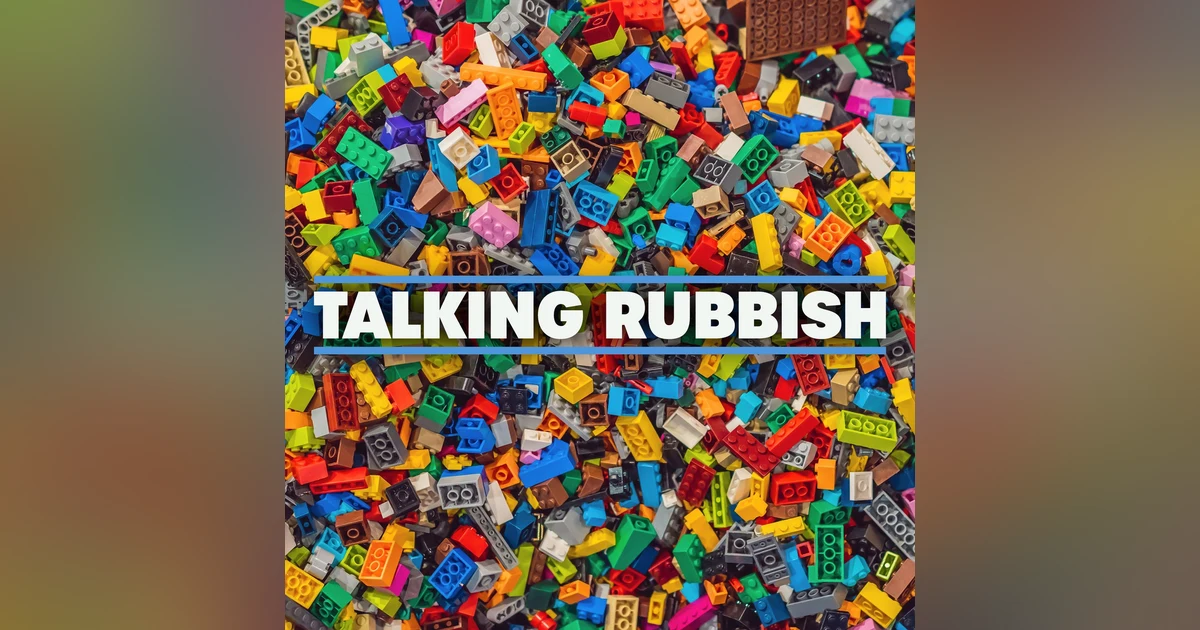
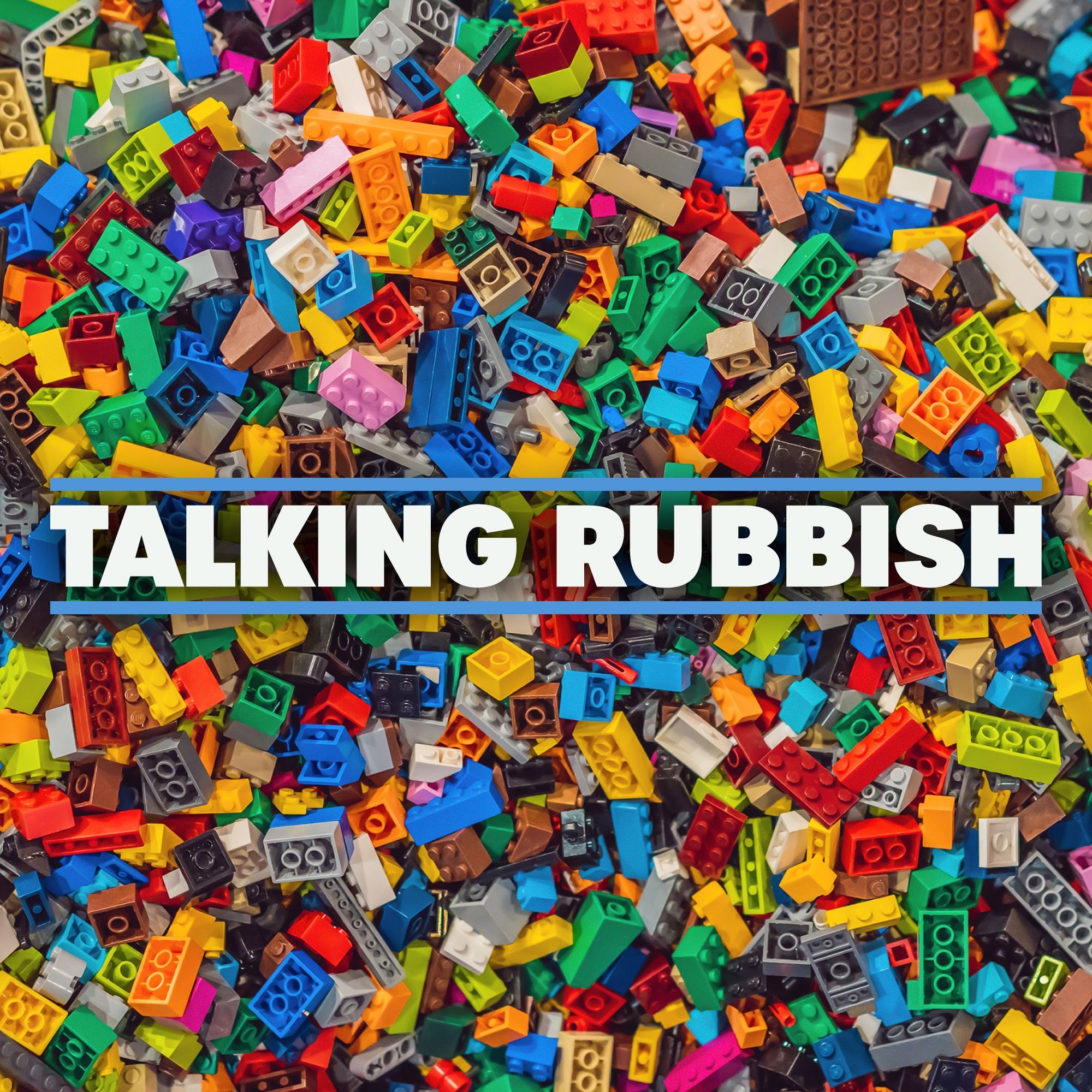
In 2021, LEGO announced an ambitious plan to make its iconic bricks from recycled plastic bottles. Just two years later, the project was quietly scrapped. Why did it fail and why might that decision actually be a good thing? In this festive episode, we take a closer look at the UK’s number one toy brand and the sustainability initiatives behind its efforts to make a plastic toy more circular. Plus, are advent calendars rubbish or not, what should we do with compostable plastic, and why has Robbie been litter-picking Santa hats?

 Apple Podcasts
 Spotify
 YouTube
 Amazon Music
 Castbox
 Podcast Addict
 PocketCasts
 In 2021, LEGO announced an ambitious plan to make its iconic bricks from recycled plastic bottles. Just two years later, the project was quietly scrapped. Why did it fail and why might that decision actually be a good thing? In this festive episode, we take a closer look at the UK’s number one toy brand and the sustainability initiatives behind its efforts to make a plastic toy more circular. Plus, are advent calendars rubbish or not, what should we do with compostable plastic, and why has Robbie been litter-picking Santa hats?
Join hosts James Piper and Robbie Staniforth as they delve into the world of recycling, hopefully having fun along the way. One thing is for sure, they will talk absolute rubbish from start to finish.
We would love you to join our community on Discord
Special thanks to our sponsor, Ecosurety
To get exclusive videos and clips, follow us on Instagram, TikTok, X, Threads or Facebook; @rubbishpodcast or YouTube: @talkingrubbishpodcast
Or you can contact James and Robbie with questions or just general rubbish musings using the email address talkingrubbishpodcast@gmail.com or by texting them via WhatsApp on 07356 069 232
Relevant links and reports mentioned in the programme can be found on the Talking Rubbish Linktr.ee
Transcripts and episodes can be found on the Talking Rubbish website
Timestamps:
Should LEGO use recycled plastic? - 02:28
Additions and corrections - 28:29
Rubbish or Not: advent calendars - 37:27
Rubbish News - 41:25
What should you do with compostable plastic? - 45:15
Residual Rubbish - 50:40
Music licence ID: 6WPY8Q4O2RPFIOTL
Hello, welcome to Talking Rubbish, a weekly podcast delving deep into the world of recycling and discussing the truth behind snappy headlines and one-sided stories. In this episode, we will discuss the sustainability of Lego, our chocolate advent calendars, rubbish or not, and I have a question about the correct bin for compostable packaging. I'm James Piper, author of the rubbish book, and I'm joined by Robbie Stanafort, my father from rubbish friend. Hi Robbie. Merry Christmas, James. Merry Christmas, and Merry Christmas to our Bibb influencers. I hope everyone's having a lovely time. Do you think like people this is coming out on Christmas Day? So we're gonna have some dedicated BIM influencers who have brought themselves away from their family, possibly because they need a break to listen to talking rubbish.
SPEAKER_01Yeah, that's great. We're very happy to provide that festive respite you need.
SPEAKER_00So thank you so much if you're taking the time to listen to this on Christmas Day. If not, don't worry. But I hope you haven't left it too long because that Merry Christmas that Robbie's just given is going to sound a bit weird in July. Yeah, that's gonna date very quickly. Yes. Gosh, I've come down with this Lurgy that everyone's got. So I hope my voice is okay. I just I have had a rough week, but the show must go on, right? We just keep going, we power through. Tri spread some crisp festive cheer, some Christmas spirit, even through that cold. Let me start with something that is not even remotely related to sustainability, Robbie, but just to bring us up to our festive levels. Because I went to Lapland, UK yesterday. So I didn't fly to Lapland in like the North Pole. I went to the UK version. So um it's over in Ascot. Ascot, okay. And it has made me feel so Christmassy. It was amazing. Very, very expensive. But I came away from it and I said to Ellie, it's probably one of the few times in life where I've spent lots of money on a ticket and I've gone in thinking this is not going to be worth it. And it actually was. It was brilliant. It was so good. Really high production values, like loads and loads of incredible sets. They've used like film designers to design their sets. And you really do get swept up in it. You know, you're meeting Father Christmas at the end. We were going with my niece. My son's a little bit too young to understand the whole Father Christmas thing. But you know, my niece is there chatting to Father Christmas, who has loads of knowledge about like, oh, how are your dogs, peanut and jelly? And I was like, this is amazing. So good. It really was quite magical. So in my house, there are currently 641,193 pieces of plastic. My hidden shame. It's not even it. It's not even hidden. I think we'd mentioned it on this podcast before. It's out on display. It's very much not hidden. Yeah. Every time anyone comes around and say, Do you want to see my 641,193 pieces of plastic? Don't you do a recycling podcast? Yeah, come in.
SPEAKER_01Should I have counted mine? I mean, I reckon, I reckon, or mine, my daughter's, I reckon hers is less than 1% of that. So big apologies to her for depriving her of uh enough Lego sets. Although it's a good idea for a stocking filler. So maybe that's something I could get her.
SPEAKER_00You're giving me present ideas here. Yes, we're talking today about Lego because it's Christmas, why not? It's the perfect time to talk about the nation's favourite toy. Is that fair to say? I suspect that's true. It's one of the most enduring, yeah. And I suspect quite a few of our influencers might get Lego for Christmas and they might be thinking, oh gosh, this goes against my, you know, recycling anti-plastic views. I'm suddenly filling my house with plastic. So it's an interesting one for us to reflect on the sustainability of and think about whether there's any merit in Lego or whether it's all just downside because it's plastic. And I think that's for my personal benefit, really, having so much of it, it was worth doing some research into this. Lego's sort of always been on the agenda as a podcast episode because at the time I was starting to think about communicating in this way and doing these longer episodes. It was around the time Lego were dropping their commitment to use recycled PET. Oh, yes. And there was a lot of negative publicity around that. And actually I felt that was unfair, as we will come on to in the episode, because there's lots of reasons for Lego not to use recycled PET. Can a giant toy company with a product that is entirely plastic ever be sustainable? And if we take it that one stage further, should it be? Does it need to be? It's very different to buying a plastic bottle or packaging if you've got something that sits on a shelf for a long, long time that could be passed down through the family, could be passed on to charity or other people. It's a bit different, I think, to our packaging. So Lego as a company started in 1932 as a wooden toy. It was actually wood to begin with. They started off making like pull-along ducks and things like that, and they moved to plastic in 1949. I guess we should start by saying Lego have two very big goals that they're working on, so and which they haven't backed out of. So in 2020, they announced a target to reduce their absolute greenhouse emissions by 37% by the year 2032. So greenhouse gas emissions by 37%, and that is compared to 2019, and an aim to be net zero by 2050. So those are kind of the two big climate change goals that they're working towards. But they have over the years introduced other initiatives, more specifically around the bricks themselves, where they source them from, how it all works. And they've done that under a recent campaign called uh sustainability campaign called Built for Tomorrow. And that has been a real focus on how do we get our material, because we're making plastic, how do we get our raw material from sustainable sources? And the Lego group now get about half of their materials from sustainable sources.
SPEAKER_01Yeah, but as I understand it, they use what's called a mass balance approach. And so that's really using the totality and dividing it up amongst all of the bricks that they are manufacturing in the other pieces too. So it's like they mix the virgin fossil oil with cooking and plant oils, which are classed as renewable, obviously. And then this all happens before it gets to them. This is in the oil stage, and then they take that oil, which is mixed by their supplier, and goes to lots of different companies, and then they put that in their process to make the pieces. And it's not just Lego who will be getting that feedstock of a 50-50 mix of uh plant oils and fossil oil. So this means they can't guarantee the recycled content in each individual brick or piece because they don't know whether it so happens that it got more or less of that overall mix of oil.
SPEAKER_00Yeah, and this is a common criticism of MassBalance, isn't it? That people say I put a ton of virgin oil in and I put a ton of renewable in, so I'm 50-50. But because it goes to lots and lots of suppliers and because the mixing doesn't necessarily distribute everything evenly, it's not that clear-cut. Now I'm quite happy with MassBalance's approach. I was actually um in the supermarket the other day, funnily enough, buying seeded. I'd been sent out to get some seeded loaves. And on these seeded loaves were like sunflower seeds on the top. And I was looking at them, they were in Tesco, and the difference between the different loaves in terms of number of seeds was insane. And I was thinking, well, for the money, I'm looking for the most seeds. Seed for penny ratio, as it's known. Yeah, there was some that had hardly any. And I, as I was buying this loaf that had an enormous uh quantity of seeds, because it had taken all the others, I think, by the by the looks of it. I was thinking this is such a great example of mass balance. You know, Tesco supplier will have a strict rule on how many seeds to put into the bread mix, and then just based on how it's distributed, you're gonna get some that have lots and lots of seeds in and some that don't have as many. And inevitably that's what mass balance is doing. And really, I don't mind as long as we know what went in, I don't really mind what an individual brick looks like.
SPEAKER_01And that's the critical feature. As long as it's like audited and we can verify what's gone in, then it's fine. The problem breaks down when people make claims, but no one's actually auditing and checking in your example, the quality assurance person checking that enough seeds were put in every batch.
SPEAKER_00And so Lego have this mass balance approach in their materials coming in, but in terms of amount of research they're doing on sustainable alternatives and what they're actually putting in that mix, they've looked at more than 600 materials and tested more than 600 materials in the search for sustainable alternatives.
SPEAKER_01That's crazy. You can't say they're not at least trying 600 plus materials to try to work out whether they can get the same sort of tensile strength or whatever in the block. That's pretty impressive. They're a very innovative company, obviously.
SPEAKER_00And it has led to some really interesting initiatives and things that our our materials are made of. So there's three that are worth talking about in terms of material breakdown. And what I like is they sort of focus on a well, like elements, you know, they call pieces elements. They focus on a theme and go, this theme will be made of this thing. So for example, any plant piece, so if you buy a Lego set that's got a tree in it or like a plant, and they do lots of uh floral sets now, any plant pieces are made from plants. So they are made from a sugarcane bio PE that's sourced in Brazil and it's grown at the same rate that it's used.
SPEAKER_01That's so clever.
SPEAKER_00I can't believe I've never heard of that before. Yeah, plants from plants. And there's over 200 elements that are now using that bio PE, so within the plant family, and half of Lego sets contain plants. So this is a lot of impact across their business. So that's plants. You've then got tires, and this makes me think of that famous pub quiz question you get. Which company produces the most tires in the world? Because it is Lego. And they have a Guinness World Record. The one I found was from 2011, which said they produced 381 million tires that year. Um, I believe it's way higher now. I think it's at about 700 million. Um, so they produce a huge quantity of tires, and they come from recycled engine oil, which is nice and apt, and also fishing nets. So their tires are made from recycled material. And finally, they have transparent bricks, so things like windows, yeah, anything that you receive that is transparent, and they are typically about 20% old kitchen worktops. But there are over 900 of those elements and they appear in over 85% of sets. So, in terms of impacts, they've sort of focused on three very big areas plant pieces, tyres, and transparent bricks. And I just I really, really like that kind of find a theme, fix it, and then it's really easy to communicate to the consumer. Because now when I open a set and I see, oh, there's my transparent pieces, there's my tires, I'm always thinking, oh, and I know where they came from, which is really, really easy for me to remember. But when we talk about the bricks themselves, so the majority, so outside of those nice initiatives, they are typically made of virgin oil. There will be some sustainable oil built into that, as you've talked about with the mass balance rubber, so cooking oil, things like that. But they are mostly made of ABS, which stands for acrylonitrile butadyrene styrene. Whoa, if I got that wrong, I'm sorry, but I think that's what ABS stands for. And I guess interestingly, one of Lego's amazing promises is that a brick made all the way back in the 1960s will fit with a brick today.
SPEAKER_01So clever. They've not changed that design, that fundamental interlocking design at all. I can't believe that.
SPEAKER_00No, and that that's so nice, isn't it? In a world where so many companies, you know, make their product redundant, go to the latest one, you can't use the old one, you've got to use the new one, you've got to update the app, whatever it is. I just love that traditional toy of like I can go to a set that I had in the 80s and know that I can mix bricks, not that I ever would, but mix bricks with my more modern sets and build sets out of that. And that and that's just great.
SPEAKER_01Absolutely no inbuilt obsolescence there for sure.
SPEAKER_00One of the other things they do that is really, really clever is they develop tubes into the pieces, I think about 10 years after they started. So, and what that means is you can join the different systems together. So Juplo, which is their kid version of Lego, which is like twice the size of a normal Lego brick, fits with Lego, which is half the size. Because of the way they've structured the tubes, you can actually put a Lego piece with a duplex. Really? How did I not know about that? So, what you interlock the two things? You can. Again, I don't know why you would. You'd have to be a maniac not to just follow the instructions like me. But I appreciate some people want to use their imagination and creativity. So, particularly on Christmas.
SPEAKER_01You won't catch me doing it. That's no endorsement. Robbie endorses going to get all of your Lego pieces, jumbling them all up, including the Dupe Lo, and see what you can make.
SPEAKER_00Of course, having said all that, you might not want to use a brick from the 1960s because between the 1960s and 1980s, Lego actually used cadmium sulfide as the pigment for bright yellow and red. And this was stopped, unsurprisingly, due to its toxicity. A small fun fact here that they considered replacing it when they decided they were going to remove cadmium sulfate. Sulfide, sorry, they decided they could replace it with barium sulfate to give the colour. But this also had an effect because barium sulfate shows up on x-rays. So they thought, hey, this'll be great, because if a child swallows a Lego piece, it will now appear on an X-ray. But unfortunately, barium sulfate did weaken the brick, so they decided not to use it. But this was their plan. We're going to replace the toxic one with one that shows up on an X-ray.
SPEAKER_01Very cool. Yeah, big problem though, if it shows up on an X-ray, but it's slowly disintegrating because it's not as strong as the old type, not ideal.
SPEAKER_00So we always talk about the economics of recycling and the value of plastic and all that stuff. And Lego just has fascinating economics, just genuinely fascinating, because it has a lot of adult fans and they have set up a lot of websites that track the prices of pieces. And depending on how many pieces something has come up in, will massively change its value. The best example of this is goats. I was not expecting you to say goats. No, but it's not in my notes. I just thought about it. Um there were not many Lego goats for a while. You know, you couldn't really get them. And so the value of a goat was very high. And then Lego started allowing you to get them because they do a thing called pick a brick where you can just order a piece from them. And they added goats to that. And that caused the value of the goat to drop dramatically because suddenly it was more available from Lego. And so it's just very enjoyable. You don't really get this with other toys. I mean, obviously, you do with like collectible cards like Pokemon where the value is rarity. But for a physical brick-based toy, it is unbelievable how sophisticated the economics of it.
SPEAKER_01Yeah, and it sounds like so you don't even need it to be in the original packaging unmade for it to be valuable. There's just individual brick pieces like the goat that are valuable on its own, regardless of what set it came in, what packaging it's in, etc. Is that what you're saying?
SPEAKER_00Exactly. Yeah. And if you can get hold of them from someone else, that the piece has the value. You would often hear stories of people buying a set, a massive Star Wars set, for example, and just wanting the minifigures. You know, this happens all the time. People spend a thousand pounds on a set to get the minifigures, and then they sell it on eBay for £500, and in the description it will say no minifigures. And they've literally only bought that set to get the minifigures inside, not the pieces. My data brain loves this side of it. I love to get into the detail of outside of recycling, Lego is my passion. But I don't want anyone to think I'm just too positive about Lego. Let's talk about them scrapping sustainability initiatives. Let's look at this in a bit more depth. I think it's fair to say, as we said at the start, Lego are building products to last, products that hopefully will sit on a shelf for a long time, be passed down through families. And that always opens up interesting questions around using things like recycle content. And in June 2021, Lego announced they were going to make their bricks from recycled PET. Now it took just two years for that project to be completely scrapped. The media around that was quite negative.
SPEAKER_01Yeah, well, I mean, it sounded like a good idea. Try, you know, have a more circular block that's made from recycled content.
SPEAKER_00Yeah, and I think it's worth us just hypothesising on whether that's a good thing or not. And I don't think we should present an answer because we can't present an answer. But I think getting us all to think a bit more critically about whether that's a good thing or not may help influencers think, actually, this is more complicated, and I have an opinion either way. But let's just talk about the market first of all. So a Lego brick weighs approximately two grams, and that means you get about 500,000 pieces in a ton. That means I have over a ton of Lego. I've just realized. You do, yeah.
SPEAKER_01What the hell? That's a lot of Lego. Don't be moving house anytime soon, James.
SPEAKER_00Yeah, that is mad. Typically, a Lego piece is sold for about 10p a piece. Okay, so when you work out, if you buy a 5,000 piece set, it'll be about £500. That's sort of roughly how the maths works. You get all sorts of differences, like if it's a licensable product, so Star Wars is more expensive than their own products. But on average, it's about 10p per piece. So that means that a ton of Lego retail price is about £50,000. Now, a ton of PET to a bottle manufacturer is a thousand pounds, £1,500, something like that. So my point here is there is a massive difference between the value of a recycled bottle and keeping a recycled bottle going round the chain and a plastic toy that people are spending lots and lots of money on. And had Lego proceeded with their views of using recycled PET, they could have significantly distorted the market. Now the price of PET and ABS are pretty similar, so they're not going to want to distort it too much. They're not going to want to take the price of PET up to £30,000 a tonne. But they could quite easily go from £1,500 to two grand or two and a half grand, because to get the material, to say, actually, I need this material to happen. And suddenly some recyclers in the market could be getting two and a half grand a ton. And the bottle manufacturers are saying, oh my God, I have to match that to access the material. And suddenly you've got a situation where people are reducing how much recycled PET they're using because they're saying this is way too expensive compared to virgin plastic.
SPEAKER_01Yeah, and suddenly you've got manufacturers of soft drinks saying, no, we're not using recycled PET anymore. We're just going for the fossil fuel stuff because Lego have come into the market and it's just way too expensive and out of whack with the price of moulding and blowing the average PET bottle.
SPEAKER_00Exactly. And to put it in context, Lego uses about 100,000 tons of plastic a year, which is basically equal to the amount of PET recycled in the UK. As an example, they could have taken all of our UK recycled PET to put into Lego products, and that would have stopped there being any available for drinks manufacturers. And I know it's worldwide, it doesn't really work like that, but it just explains the scale of this. And I I guess that's the question. If I've got something on my shelf that's going to sit on my shelf for 20 years, 30 years, 50 years, till Lily sales up, which is the truth, which will happen when I'm dead. Um if I've got it sat on the shelf for so long, do I want to lock that recycled PET into that model? You know, I would rather put a Coca-Cola bottle in the recycling bin and know that in a few months' time it's going to be a Coca-Cola bottle again and it can go through that process a few times. In my opinion, that is better than Lego taking it and saying we're going to lock it on a shelf for the for this guy's life. Because really, putting on a shelf for this guy's life is the linear economy with one extra step. It's single-use plastic just sitting there. Whereas if we can recycle it and get it through the system a few times, actually that's much better. Now, if Lego then said we want to take recycle PET at the end of its life, that's a bit different. You know, it's gone through a cycle a few times and then it gets turned into Lego. That that would be great because then it's never got through that incineration route. But um, but that's not really how things work in practice because when we say plastic can only be used a certain number of times, it's sort of all done as a percentage, adding virgin, removing some recycled just constantly. It's not literally this ton of plastic's been used seven times, let's stop using it. It doesn't really work like that.
SPEAKER_01Yeah, again, it's like a mass balance type thing. So it's hard for Lego to sit right at the end of the process and say, this is all the PET that's no good anymore for drinks bottles. We'll just use that. The system doesn't work like that.
SPEAKER_00And to give another analogy for this, I was trying to explain it to someone the other day. And I was saying it's sort of like if you had cash and you were thinking, what am I going to do with this cash? You could put it under your pillow, leave it as cash, and you'd have £100, let's say, if that's what you had in cash. Or you could put it in a bank account and grow it with interest, get some compound interest, and over 10 years you've got a significantly different amount of money to £100, you might have £200. And that's sort of what we're talking about here. Do I take a recycled bottle and put it under my pillow and do nothing with it and just leave it on my shelf? Or do I put it to good use and try and grow its value over a period of time and stop people having to drill for oil as much because we're using more recycled content. But none of this is why Lego cancelled their recycled PET project. Um, it was actually stopped because of Lego's high standards.
SPEAKER_01Oh, really?
SPEAKER_00Yes. And so they have very high standards and that they call the locking of bricks. So when you join bricks together, they call that their clutch. And to get the correct clutch in the bricks, they were finding that if they used recycled PET, they would have to use more materials and additives, which was ultimately increasing their carbon footprint to just. Just using virgin oil. And so they realize that actually it would be a false economy because they would have a much higher carbon footprint on something that, in my opinion, and I'm sure some sustainability executives at Lego, even though they won't say this, realize that actually it's not the best route for recycled PET to go in the first place.
SPEAKER_01Yeah, no, that's crazy. And it's such a specific engineering feature, that clutch or whatever, that you've got to get it exactly right. And I think they've made the right decision, though, haven't they? If they say, Oh, it was a great good news story, let's use recycled PET, but behind the scenes, they could have hid the fact that they were pumping in more materials and additives to make it work so that they could have this lovely green story about using recycled PET. But actually they rode back from it and said, Look, we were having to do all sorts of stuff to make it work, and it kind of defeated the purpose. Exactly.
SPEAKER_00And of course, that strength of Lego, that clutch and rigidity, occasionally does come back to haunt. And on the 13th of February 1997, a wave struck a container ship off the coast of Landsend in Cornwall, which caused 62 containers to fall overboard. And one of those containers, ironically, was full of 4.8 million sea themed Lego pieces.
SPEAKER_01Oh my god, really? I shouldn't laugh. Gosh, 4.8 million pieces dumped in the sea.
SPEAKER_00Yes, 352,000 pairs of flippers, nearly 100,000 scuba tanks, and 93,000 pirate swords. Oh gosh. Fell into the sea. And today pieces still wash up on Cornwall and Devon, and people go out and find them. And these are these Lego pieces are actually proving quite useful alongside other spills that have happened. I think there was a spill of rubber ducks that does a similar thing. But it allows scientists to track ocean currents. And you know, these pieces have been found all over the world. Ireland, the Netherlands, Australia, you name it, there'll have been a sea-themed Lego piece wash up at some point. And then they document these finds, and then that allows them to work out things like ocean currents and how they're changing and evolving. Because they know where the Lego entered the water, it actually helps to track track things like that. So while they definitely don't want plastic to be added intentionally, if it does accidentally get added, scientists will try and find the best of a bad situation.
SPEAKER_01That's very cool. I mean, yeah, obviously it's hard to know what to say about that. It's good that we're getting something from an environmental disaster, I suppose.
SPEAKER_00Speaking of our economics and rare pieces, octopuses were the rarest piece that went overboard. There were only 4,200 of them. And last year a 13-year-old boy found one with the media dubbing it the holy grail of Lego pieces. Oh wow, lucky boy. So from ocean to bags. A more recent initiative is to switch the bags themselves, so the bags that contain Lego pieces from plastic to paper. And this is something Lego has been working on for a number of years and is now becoming more and more common. Certainly the sets I buy nowadays, most of them use paper instead of plastic. Some of them have kind of a mix of the two. You may put a paper bag and in there is a plastic bag. So I think it just takes a long time to get through the manufacturing process. It's a lot more complicated than it first appears to switch out something like this. And a case in point, I mean, they had to test out 180 formats and 15 different prototypes with hundreds of kids before they could make this one.
SPEAKER_01Wow, really? I mean, that's there is a lot to change in the packing procedure, isn't there? So clearly they've got to make sure they get it right. It just goes to show I'm clearly not buying enough Lego because I don't think I've ever seen a paper bag. So maybe this Christmas I'll experience this switch from plastic to paper.
SPEAKER_00Now Lego have said they will be including some recycle content in the paper bags. They haven't said how much or when that's going to start. And certainly they're getting it from FSC certified sources, which is a bit different to the plastic. So I don't think with the plastic, I couldn't find any evidence that they've ever used recycle content. So when we go through my rules.
SPEAKER_01Ah, yes. The paper for plastic rules.
SPEAKER_00Exactly. The main issue is weight. So these bags are three times heavier than the plastic ones, or almost three times heavier. But because the plastic ones didn't use any recycle content, I think the paper ones are better.
SPEAKER_01Oh, okay. The the exception to prove the rule. Yeah, well, exactly.
SPEAKER_00And now interestingly, they do have a shiny layer to stop the bricks sticking into the bag when you tip them out, and that will be plastic. They don't tell you very much about that at all on their website. They do not want to acknowledge that these are plastic lined paper bags. The truth is it's such a low percentage that that liner won't impact the ability to recycle them.
SPEAKER_01So if you're recycling those bags at the end of the life, you're just putting that in with the paper recycling, are you? You don't keep these bags, do you, James?
SPEAKER_00Not at all. I keep the boxes. I have an attic full of boxes, but I do not keep the bags. I guess just to wrap up this section, hopefully it's just been a bit fun for Christmas. That's what we want to achieve here. Just a bit of a discussion around a toy that personally I'm passionate about, but also I think lots of our listeners and influencers will be. And it's nice to go through the sustainability initiatives of a company like this. I do think LEGO are a fascinating case study. I think going back to that recycle PT piece, it's a classic example where a company feels, I've got to look green. And they don't look at the whole system. They don't go, should I look green? You know, actually, I'm taking up some of the oil-based plastic, I'm stopping it going into packaging, I'm making a product out of it. And we can let the packaging guys recycle and recirculate material. What's the point in me recycling it and locking it on a shelf? I think it's actually really good that Lego have paused and gone, we don't need to be that company. We don't need to recycle it. We'll leave that with the packaging guys. Instead, we will look for sustainable sources for our plastic and we will try and get to 100% of our bricks coming from sustainable and renewable sources. I don't think there's much more you can do in this instance. And then looking at your packaging as a whole and moving to paper bags, for example, which I think are pretty good, or you know, really cool initiatives like plants made from plants, I think that's great. And I think that's a really nice place to find yourself as a company. So I'm hoping no one sat there thinking, God, they were way too positive about a company making plastic, because I don't think we can change that. That's just who Lego is. So I can't be like, oh, if only they didn't use plastic. But I think what we can say is with a company using plastic, it's great, but they're spending so much time on initiatives to make it as good as it can be. So last year we talked about the trial by Quality Street to move to a paper book.
SPEAKER_01Yeah, we even got one. We got a sample to look at, remember?
SPEAKER_00We did get one. And I just I and remember I had to drive up to where did I drive up to? Banbury or something. Banbury, yeah. To get one. Oh my goodness. I haven't had to do that this year. Cadbury's Heroes was much more widespread. But I don't think this trial by Quality Street's continued. I everywhere I've looked, they're made, they're back in plastic again. But because we've got a new one, we have a great opportunity to again test this plastic versus paper kind of thinking and whether whether we would prefer our chocolates to be wrapped in paper or plastic. So, Robbie, paper or plastic.
SPEAKER_01It's a new feature. We've done it twice already in this episode. So is the packaging necessary? That's the first test, isn't it? That's our new one.
SPEAKER_00Yeah, that's our new test.
SPEAKER_01And then what was our next test? It was recycle. Is it recyclable?
SPEAKER_00Yes.
SPEAKER_01So the paper is definitely widespread recyclable. And the tubs, they were having problems with the tubs, weren't they? Because some local authorities don't collect them, hence why Teddy? Was that his name? Yeah, Teddy, yeah. Teddy was collecting up all those plastic tubs last year and hit the news for the Green King pubs to for tubs? What was it called? Tubs to pubs. Tubs to pubs, that was it. Yeah, so definitely passes the more recyclable test or more easily recyclable at more homes currently. And then recycle content. Oh, not sure on that one.
SPEAKER_00Yeah, so we wanted the pl anytime we say plastic is better than paper, we want plastic to have high recycle content. And I think we discussed it last year that the tubs have to be food grade.
SPEAKER_01Yes.
SPEAKER_00So because of the way it works, because of the wrappers, the wrappers are not hermetically sealed. So the chocolates could, in theory, come out of the wrapper more easily than like hermetic seal, which you might see on something like bacon. You know, when you try and rip the lid off bacon, it's really hard. That's because that's got a proper seal. Whereas if you compare that to, you know, your quality street, which you can just spin and unwrap, it's very different. The legislation means that they have to have the second layer also food grade if you're not sealing the first layer. And so both plastic and paper tubs will not contain recycle content.
SPEAKER_01Yeah, for the reasons of food safety, I suppose. And then go on, what about the weight of the plastic tub versus the paper one? Because that's definitely or the cardboard one. That's your favourite. You've had the scales out. I did.
SPEAKER_00We said last year that the plastic tub was 118 grams, well, the paper heroes box was 131.5 grams of cardboard. Oh, very good. Only just heavier. Basically, when you look at everything, I definitely think we should put all of our Christmas chocolates in paper. Even if it's going to cause the media to say I'm ruining Christmas, as they love to do.
SPEAKER_01Well, wasn't it ruined when it moved from tin to plastic anyway? Yeah. Yeah.
SPEAKER_00And now it and actually I really like the paper ones. I think they're they're quite premium. But but as we've said, the paper is completely recyclable. The plastic won't contain recycled content, so we won't promote it. And the weight of the paper and the plastic are very similar. So my personal view is what Quality Street did last year, what heroes have done this year is absolutely the right move. And rather than doing trials, we should just say this is the right material for that product. See, I do sometimes promote paper. I think people sometimes don't believe I do, but you know, here we are. It works. And we've had some fun with the Environment Agency, not us personally, but the House of Lords certainly have, because there has been this debate between the House of Lords and the Environment Agency around waste crime. This follows our episode on fly tipping a few episodes ago. So basically what has happened here is the House of Lords, the Environment and Climate Change Committee, launched an inquiry into waste crime and they concluded in October that waste crime was underprioritised. And we sort of talked a little bit about that in our episode.
SPEAKER_01Definitely feels like it.
SPEAKER_00So they called for the government commission an independent review. Now the government responded to say, prefer not to divert significant resource, I think is the official response. But we're not going to spend loads of time on a review, we're busy. And the chair of the Environment and Climate Change Committee, which is Baroness Sheehan, said that the committee is deeply disappointed with the government's complacent response. And as part of that response, they asked us for sites similar to one of the ones we mentioned, which is Hode's Woods in Kent. And the Environment Agency responded to the inquiry to say it was aware of six other sites, a similar size to the woods. Two in Lancashire. Yep. So two in Lancashire, one in Cheshire, one in Kent, one in Cornwall, and one in Norfolk. They did not include the one in Oxfordshire. So that caused the House of Lords to be even more annoyed because they're like, well, hang on a sec.
SPEAKER_01We know there's one in Oxfordshire.
SPEAKER_00We know this Oxfordshire one suddenly become big. Why did you not mention that? And so there is this feeling that the Environment Agency probably have more fly tips than they're telling. The government don't seem to care too much. And the House of Lords are the ones caring above everyone else and saying, we need to do something. And so it's just a really interesting political game going on between lots and lots of different people around these fly tips. And it's showing, I guess, how big the issue is becoming amongst the government, but inevitably amongst the public as well. More work required. Yes, I think that story will continue. So we will keep additioning and correctioning it as we notice things. And I have the ultimate correction on a correction because BIMFluencer Rich was listening to episode 72 where I explained that I had to correct my calorie comment. And I said at the time, don't try and make jokes about things I don't understand.
SPEAKER_01Yeah, I remember that.
SPEAKER_00The irony that I then went on to say, and I'm not a nutritionalist. And Rich was like, there's no such thing as a nutritionalist. It's a nutritionist.
SPEAKER_01Oh, I didn't even notice that you said nutritionalist. Otherwise, that'd have corrected you there and then. Oh, that's brilliant. I love a correction on a correction.
SPEAKER_00Yeah, well, now I'm correcting the correction, which itself was me talking about how I shouldn't try and talk about things I don't understand, like the word nutritionist.
SPEAKER_01Oh, brilliant. It's getting very meta this Christmas. That's amazing.
SPEAKER_00We'd like to take a moment to thank our sponsor, EcoSurety, who are on a mission to rid the world of unnecessary packaging. They help brands navigate the tricky world of extended producer responsibility, but that is not all. They also collaborate on some incredible recycling projects and consumer awareness campaigns for those tough to recycle materials. If you're an organization looking to make smarter packaging choices, check them out at ecosurety.com. And the best thing you can do to help us grow is to share us with your friends and family. You're probably in a room with them right now. You know, you might be cooking your Christmas dinner listening to us with your headphones in. This is what I'm going to be doing. Take your headphones out now. Say, guys, pause Mariah Carey. Get James and Robbie on. They've just had a fascinating discussion about Lego. Get the family listening. Gather round the wireless. And then write us a review. And then write us a review. And if you write us a review, you could be Robbie's review of the week.
SPEAKER_01So this one came through from Helen Wright on Castbox. What's cast box? I've never heard of that one.
SPEAKER_00I'll step in here. I mean, we're always suggesting this is Robbie's review of the week. And then I think it's becoming increasingly obvious that I picked them. Can't even do this work, Robbie. What's castbox? Okay, Castbox. So Castbox is a podcast listening platform where you can't review. I sort of like Spotify, but you can leave comments. And Helen was one of the people kind enough to leave a comment a couple of months ago, and I spotted it, so I wanted to use it as a review.
SPEAKER_01Ah, so for my reviews, I should be trawling through all of these more niche podcast platforms.
SPEAKER_00Yeah, you could trawl through the mainstream ones as well if you want to. Turns out the Christmas roast is not the only roast I'm doing this Christmas program.
SPEAKER_01Okay, anyway, thanks, Helen Wright, this Christmas for your review, which says, Thank God for this podcast. Fabulous content. Not the least bit boring. Just keep on educating us. Thank you, thank you, thank you. And thank you, Helen, for such a lovely review this Christmas.
SPEAKER_00You can follow us at rubbishpodcast, you can email talkingrubbishpodcast at gmail.com or you can WhatsApp us, also join our Discord. It's the easiest way to engage with us and listeners of the show. And the link to all of those things is in the show notes, as is the link to our link tree where we put links of things we've discussed today. Is chocolate advent calendars. Ah yes, just as people are discarding them. Very good. Yes. Now originally I was going to do tinsel for this year's rubbish or not, but I think we'll bump that to next year. So as I was preparing tinsel, Adam from Rap shared this great summary of chocolate advent calendars this year on LinkedIn. Because I decided quite late it was going to be chocolate advent calendars. It is impossible to get hold of one in my shop. So I have done no weighing, but certainly thematically I can explain chocolate advent calendars. But Robbie, what do you reckon? Rubbish or not?
SPEAKER_01Well, this is my dear friend, this is where I get my own back because I've done some research. Whoa. I might not have sourced Robbie's review of the week, but I have done some research on the advent calendar.
SPEAKER_00Robbie's chocolate advent calendar of the week.
SPEAKER_01And the one that my daughter has is the classic dairy milk one that's sort of in the shape of a kind of Christmas tree. It's actually rectangular, but the shape uh drawn out and where the windows are are in a Christmas tree. And I opened it up, it's cardboard on the outside, so the sleeve is definitely or not. That's recyclable. And then the plastic inside is hard plastic, so most local authorities will pick that up, provided you can peel off the foil. So it's got like an aluminium foil lining. And I looked just last night, I got it out of its box unbeknownst to my daughter, to just start peeling away the very top of it outside of where the chocolates live. And you can actually peel it off in one foul swoop and therefore bundle up the aluminium, recycle that, the plastic to, and the cardboard outer. But I was left quite shocked at such a simple little item having three different packaging materials, albeit that they could all be recycled.
SPEAKER_00And so when you peel the foil off, obviously it's joining it into a board to make it bigger than a tennis ball. But yes, it's great that you can separate all of those parts. There has been some interesting innovations in advent calendars over the year because a lot of people have felt the foil is necessary to keep the chocolate fresh. But last year, MS actually managed to remove the foil layer. And so that counters that view. I'm not entirely sure how they did it, but you can now get one of their advent calendars which has a cardboard outer and a plastic inside, but no foil.
SPEAKER_01Wow, they've got a magic hermetic seal. Yes.
SPEAKER_00Enjoy that moment in my son, MS, because you're my residual rubbish and it's going to go downhill quite fast. Like a snowball. This year, Tony's Chocol only have an entire cardboard calendar. And this is what Adam was sharing on LinkedIn. So he was observing that the pack is significantly heavier, but did not have his own coffee scales, so we don't know how much heavier. And because I couldn't get one, I have no idea. But it did feel like there was no need for that additional cardboard because every day you're opening up your chocolate and the chocolate is individually wrapped. So I think the challenge with anyone trying to remove the plastic and the foil layer is you just end up with individual wrappings that are really hard to recycle. So I sort of prefer the dairy milk or MS model of a single plastic sheet, a single cardboard outer, than a completely cardboard advent calendar that's got individual wrapping inside.
SPEAKER_01Yes, and small pieces of packaging are generally problematic for recycling. So a long sheet of aluminium that you can peel off, a very big plastic tray, quite a big cardboard box are all the kinds of things that recyclers are looking for.
SPEAKER_00And moving up the waste hierarchy, the best thing you can do with advent calendars is just buy a reusable one, you know, like a fabric one, and buy like a bag of chocolates each year, chocolate coins, whatever whatever you fancy, and just fill it up each year. It's going to be so much better than utilising cardboard, plastic, and aluminium in big sheets for something that you can just use reusables. Rubbish news. So as you're listening to this, and I'm still imagining that the average Binfluents are cooking their Christmas dinner, you've just put your pigs in blankets in the oven. What better time to talk about the sausages found in Bristol? This is such a bizarre story. Hundreds of raw sausages were dumped near the city centre, which is obviously fly tipping, but of the food kind. And a Bristol City Council spokesperson said, clearly the edge of a path is not the place to dispose of food waste. It's far healthier and much better for the environment to recycle food waste in a food waste caddy. So look, we don't condone this, obviously, but because we're all about festive cheer today and staying happy, some incredible comments came out of Reddit and Instagram about this. Just here's three of my favourite. This is very worrying. Probably part of a much larger Cumberland ring. First place to dump them. And whoever did this probably has links to organized crime.
SPEAKER_01Very good. And my one that I didn't comment on was and they were left out in the cold without a bacon blanket.
SPEAKER_02Oh nice.
SPEAKER_00Very nice. You should have been there. Um but Bristolians love this kind of stuff, honestly. It's taken over Reddit, and now I think there's police crime scene tape there because the sausages have been removed and people are putting up like in memoriam to the sausages. It's just classic. One of my favourite things is there was this observation that isn't it weird that the animals haven't taken them. Why haven't the rats eaten these sausages? You know, they've lasted for like three or four days.
SPEAKER_01Yeah, like foxes and stuff.
SPEAKER_00Yeah, look like no one touched them for three or four days. And then someone wrote in saying, of course they still haven't been eaten by the rats. This is Bristol. The rats will be lefty woke vegans. I love it.
SPEAKER_01Okay, so my uh mine is definitely less upbeat. Um, although yours was fly tipping, so it wasn't great news either. But this headline I caught from The Guardian uh a few days back, and it's that the organization Material Focus estimate that as many as a hundred and sixty eight million light up Christmas ornaments might be thrown out this year. And I just thought that statistic was absolutely staggering. The the Guardian editorial focused on environmental regulations being a bit weak, but there are solutions if people get behind them. And I just couldn't believe 168 million. And ornaments that might be thrown away because people just they come to the end of their life. So this really is a plea following that headline. Make sure you reuse your light up ornaments. Electronics, even though they're cheap, they're very environmentally and resource intensive. We should be looking to pass them on. The research also found that about 1.7 billion was spent last year on Christmas lighting. That was in 2024. And this included 39 million sets of fairy lights. And so I looked into this research. It was based on information provided by 4,000 UK adults, so a reasonably big population size. And they were asked about cheap light up items that they bought and how many they threw away. And then it was extrapolated to get this figure of 168 million. But even if it's not quite as many as that, it is definitely a massive problem, consumer electronics, and particularly just that short life time lighting that people have only got up for maybe a month, five weeks at the absolute most. And then the rest of the year, it's much better to have it in storage for the other 11 months rather than just chucking it out and getting new stuff the following year. That was the one with the traitor's front cover. That was a big issue, a bit a great issue, I should say. We've not been in the big issue just yet. Hopefully one day.
SPEAKER_00She was asking about compostable or biodegradable bags and wrapping. And don't worry, I've got a link to Christmas because she was asking about it in the context of Christmas cards that she'd bought that were wrapped in plastic. One said home compostable packaging, and the other said industrially compostable.
SPEAKER_01Like the cellophane wrapper around the cards when you first get them. Okay, yeah. Exactly.
SPEAKER_00So this is one of those questions that we've covered in a very early episode. What should we do with compostable plastic? But it is always useful for us to go through it again, I'm sure. And so thank you for this, Trisha, and hopefully this is helpful.
SPEAKER_01And that's code for Robbie's probably forgotten.
SPEAKER_00Well, let's see. Okay. So this is a question, as I said, we covered all the way back in episode 19, but it does come up all the time, including with my mum actually last week. She sent me a picture of a swim bag. She'd gone swimming and they had one of those, like, here's your biodegradable swim bag for your damp suit. She was saying, Is this really biodegradable? I just responded with short answer, no. Long answer, listen to the podcast. First of all, I'll explain what to do with composable women. I'll explain why her swim bag was not biodegradable in my opinion. So there's two things here. We're talking about home compostable and industrially compostable. On both of those, the first thing to do is to look for a certification. So we only really trust compostability if it's got a certification. The main ones, if you're talking about home compostable, you're looking for a logo that has the words okay compost on it and will have the word home. So you're looking for that okay compost symbol. If it's industrially compostable, then you're looking for it's like a circle with a leaf coming out of the top. And it's called the seedling logo.
SPEAKER_01One of my favourite logos that was a very cool little symbol. And the difference between the two is about the temperature. I remember that, isn't it? The okay compost for home can go at a lower temperature, and then industrial composting, which happens at a much higher temperature, so it's harder to break down those ones with the seedling logo. And that's why you shouldn't be trying to compost them at home.
SPEAKER_00That's it. And home composting is about half, so 30 degrees, and then about 60 degrees for industrial composting. If you want to see those logos, by the way, I shared them on our social media at the time. Uh so they're in our story highlights. So in our story highlights at rubbish podcast on Instagram, you will find one that says labels. If you click into that, you'll see those two logos. Industrial composting, because it needs those high temperatures, the plastic needs to be sent to a specialist facility. The problem is industrial compostors are dealing with food waste mostly, and they don't know if what you've put in your food waste bin is truly certified compostable plastic, or whether it just said industrially compostable, or whether it's just normal plastic. So most food waste operators, if they see plastic in the bin, will just extract it as part of their process of screening waste.
SPEAKER_01And that's for pretty much every type of plastic that maybe isn't those food waste caddy liners. They might well leave those green hue food caddy liner bags in, knowing that those are industrially compostable. But everything else, whether it's that milky white colour or clear, whether it says industrial compostable or not, they're gonna have a process right at the beginning that pulls all of that stuff out, whether it's supposedly compostable plastic or not.
SPEAKER_00Yeah, so basically the sad truth is industrial composting is completely pointless. You put it in your food waste bin hoping it's gonna get composted and it won't. And so the only compostable material that sort of has some benefit is home compostable. But again, that needs to be certified and that relies on the customer having a composting facility that is appropriate, as in a composter at home that is appropriate and will get to the right temperature. But assuming you do have that, there is some value in home compostable plastic. Of course, one of the things I have to remind people is compostable plastic is single use by definition. You're it doesn't go in the recycling because it will contaminate a recycling load. Its only purpose is to break down and disappear. That is single use. And so I don't really understand why people see that as a good thing. I would much rather have like a clear LDPE that could go back to supermarket recycling and was interesting to the recyclers and could become something like a bin liner. I would much rather have that than something that's just going to break down at home. But if I was gonna buy compostable plastic, I would buy home compostable on the basis that I had somewhere to put it at home. Now, in terms of my mum's biodegradable bag, why I didn't feel that would break down is because it had no certification and the word biodegradable is meaningless. So compostable is defined, as Robbie's talked about, you know, with temperatures and there's rules and there's certifications. The word biodegradable means nothing. So if somebody is using the word biodegradable, nine times out of ten, it will not do anything because if they were serious, they would use the word compostable and get certified. Residual rubbish. Something that has happened to us this week that has made us feel like an emoji. And as I mentioned earlier, please excuse me for a moment as I go all Scrooge, which I don't know what the emoji is, and discuss MS. Apologies in advance, MS, but every Christmas you disappoint me. Every year, every single year you decide that you are gonna put batteries in packages. Oh no. Okay. Hate it.
SPEAKER_01This sounds like it's gonna be bad.
SPEAKER_00So this year I am aware of a number of products. I'm just gonna focus on two of them. I bought a load of these products just to test them so you don't have to, please don't buy them. Presumably they sell more because of the lights and sounds, and everyone's like, oh, it's so festive, but it is so frustrating. So the two products I'm gonna pick on today is a box of chocolates that has music and lights in it. And I'm gonna try and put these up on social media with pictures. So uh I'll describe them now, but if you get a chance, follow us at rubbish podcasts, and at some point over the festive period I'll put this up with some pictures. So a box of chocolates with music and lights, and a tin of biscuits that has like a lid that has a projector in it that projects like stars and things onto the ceiling and also plays music. Okay, these are biscuit tins or chocolate tins. They don't need lights and sound.
SPEAKER_01Why do you need your biscuit tin to do that?
SPEAKER_00And let me tell you, the worst one is that chocolate. Because when you want to smuggle a chocolate late at night and you don't want anyone to know, the second you've open that box, it starts playing the first Noel and it lights up massively. Can't have a midnight feast.
SPEAKER_01Well, I mean, maybe this is part of the 168 million pieces of discarded electrical items if you've got a shortbread cookie tin with projectors in it.
SPEAKER_00What would recycle your electrical say about this? They would not be happy. Not happy at all. Okay, so let's start with the projector tin. So this contained 18 shortbread cookies. Now, a tin is normal, you know, the base of the tin. Then there's two lids. So one that has the projector and one that has the lid. Okay. And one of the problems here was the if you took the projector out, the bit that's got the battery, you couldn't put the lid on the tin. You needed all three parts to keep it in one. So if you so on the bottom it says, you know, tin recycle. As an average consumer, I think you're thinking, tin recycle, I'll put the tin back together. Yeah, you know, and if you take the projector bit out and there you can't put the lid on the tin, it's actually quite counterintuitive. You then think, oh, it needs to be recycled with the electronic part. And the labelling on the bottom of it, I mean, it hardly talks about batteries at all. It does taught, it does say this product contains batteries, you know, don't put them in the bin. But it's all really small print. It's not obvious, and it's not part of the labelling that says recycle. So it says tin recycle. It doesn't say batteries don't recycle underneath it. I just thought this was a terrible product. There was no way of getting the batteries out, no way of getting the lights out. Yes, you could just leave that lid off, the bit that's got the projector in. But as I said, you then couldn't put the other lid back on the tin. So it made it very difficult to use without keeping the batteries in situ. And the box of chocolates, so the second one, so this is like a Christmas scene. So the chocolates are Christmas trees and houses and things like that. And they're scattered around the box and sort of embedded in. And then when you open it, the lights are on the backboard making a starry scene. And as I say, it plays the first Noel. So there's 23 chocolates in the box. And the instructions were actually amazing. You know, it this one actually told you how to remove the batteries. Oh, okay. Whereas the tin just said, recycle the tin. Oh, it contains batteries. Be careful. This one actually said, let's dismantle it. My god, I couldn't tell if it was because I'm ill and I've got no strength. I really, really struggled. You had to. So if you imagine it, your box is open, you know, and the lid is upright basically, and then there's a little perforation at the bottom that you rip off, and that rips off that backboard to expose the lights and the electronics. And then you rip off all the electronics, take them back to your household waste recycling centre. So imagine the steps here.
SPEAKER_01Oh my god.
SPEAKER_00And then you can recycle the box.
SPEAKER_01Crazy.
SPEAKER_00I will I will be one of maybe 20 people who do that this Christmas. I bet nobody removes the electronics from this thing. Like it was so hard. And both of these products had three batteries in them. They had three button cell batteries each. It's crazy. They were so overpackaged to start with when you consider that the tin is 18 shortbread cookies, the box is 23 chocolates. You know, these are massive boxes for a very small amount of food. And this would absolutely I mean, first of all, it puts you on the talking rubbish naughty list. For sure. But it also puts you on the government naughty list, because this is red in the RAM.
SPEAKER_01Oh yes. Definitely not part of the recyclability assessment methodology, and they'll be paying very big fees very soon for this kind of packaging.
SPEAKER_00Yeah, so they said in the RAM, any packaging that contains batteries is automatic red. Now, MS will complain about the cost of EPR. They will. And I think the cost of EPR should be way more expensive if you decide it's appropriate to put batteries in your packaging that are impossible to remove, gonna just contaminate the recycling stream. Dangerous. If you've decided that's acceptable to do, then I think the RAM needs to skyrocket the cost of putting batteries in packaging because we should make it so that companies will never do this. Merry Christmas. Rant over. God, it was so happy all the way up to that point and so sweet. Remember, I love your advent calendars, MS, just to balance this all out. But God, stop putting batteries in packaging.
SPEAKER_01Yeah, there was definitely no magic and sparkle in that. Um, so my residual rubbish this week comes two emotions, or don't know whether these are emotions, but smug face and then immediately humbled. So as they say, after pride comes a fall. I was walking to school uh with my daughter a few days ago, and I saw a Santa's hat lying on the floor. It was left out in the rain, it was all kind of dirty and a little bit muddy actually, but it was superficial. You know, you could see it was a nice quality velvet hat. So I didn't say anything to my daughter. I tracked it for a couple of days just in case the owner came back and had accidentally dropped it, came back to find it. But they didn't. So after a couple of days, I said to her, I'm gonna take that, pick up that Santa hat and take it home. To which she was immediately mortified. Like, yuck, that's disgusting, Dad. And so I was like, Well, no, I'm gonna give this a quick wash, and I think this is gonna be absolutely perfect, uh, good to go. However, went home, got it washed, got it ready to use, and my daughter, she was humbled and said, Oh no, okay, dad, I admit it does look quite nice. Unfortunately, in putting it in my bag, the pom pom fell off. So that so no pom-pom, it's this very hat I'm wearing now. So my daughter had to help me, her useless father, with the sewing to put the pom-pom back on. So I was there all sort of fingers and thumbs, trying to get the last of the thread off the hat before re-affixing it, using little scissors to try clip it off. And she said, Don't worry, Dad, I'll get my quick unpick. So she went off to her sewing box, quickly unpicked the last of it, and showed me the right stitch to put this pom-pom back on. So we are both smug and also humbled. She was humbled by the fact she thought it couldn't be brought back to life. I was humbled by the fact that I couldn't even reaffix a pom-pom, but we were both smug because we've got a working hat and she's asked me to borrow it to take to school tomorrow for her Christmas party.
SPEAKER_00And I think I'm gonna need your daughter's help because I'm wearing a hat that I got from Lapland yesterday. Yeah, had a bell on it, and I thought the producer's gonna kill me if I wear a bell. So I cut it off this morning, the bell, and now I need to put it back on when I get home.
SPEAKER_01So hey, well, I've got an expert for you. She'd be very happy. Uh, good rates promised.
SPEAKER_00As always, thank you all for listening. It's the last episode of the year. I can't believe it. Next one will be New Year's Day.
SPEAKER_01Crazy, another year in the bag.
SPEAKER_00Yes, we have a very special interview next week, so I will leave it at that. But uh, thank you for all your reviews and engagement. We love getting the opportunity to do this podcast, and we just love that so many people are listening. Even on Christmas Day, I'm sure a lot of you are listening, and we thank you for that. Uh join our Discord, follow us on social media at rubbishpodcast. You could email talkingrubbishpodcast at gmail.com, or you can WhatsApp us, and everything we've discussed today can be found over on our link tree. The details to all those things can be found in the show notes. There is nothing left for me to say other than see you next Wednesday. Bye. Bye.