79. How colour drains the value from plastic recycling
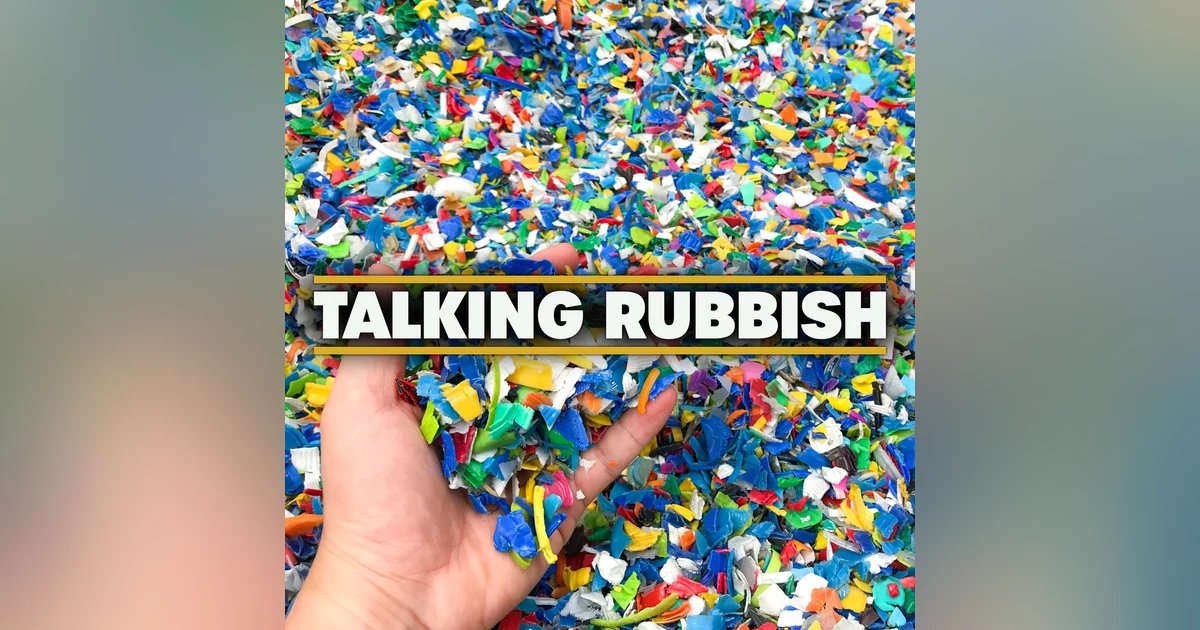
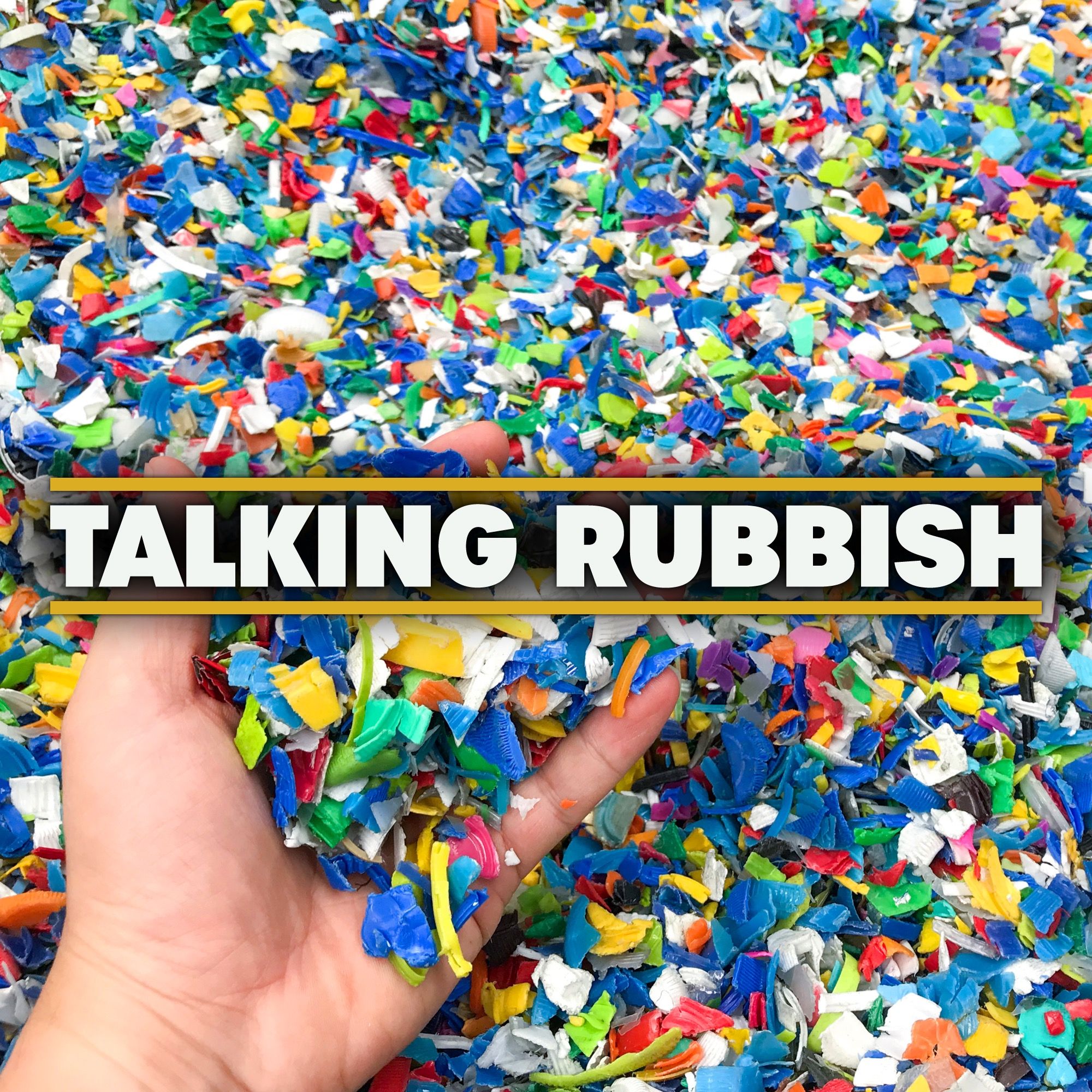
Colour can make plastic more eye-catching, but it can also make it far less valuable, dramatically reducing the chances that it will ever be recycled back into packaging. Despite this, brands continue to add vibrant pigments to packaging to grab our attention, and more often than not, it works. In this episode, we unpack why colour is such a problem for recycling and how marketing priorities collide with material value. We also explore real-world success stories, from the removal of green from Sprite bottles to the shift from coloured to transparent milk bottle lids, small changes that make a surprisingly big difference. Plus, are flags rubbish or not, does glass need to be sorted by colour, and could Robbie set a new record for the fastest wheelie bin?

 Apple Podcasts
 Spotify
 YouTube
 Amazon Music
 Castbox
 Podcast Addict
 PocketCasts
 Colour can make plastic more eye-catching, but it can also make it far less valuable, dramatically reducing the chances that it will ever be recycled back into packaging. Despite this, brands continue to add vibrant pigments to packaging to grab our attention, and more often than not, it works. In this episode, we unpack why colour is such a problem for recycling and how marketing priorities collide with material value. We also explore real-world success stories, from the removal of green from Sprite bottles to the shift from coloured to transparent milk bottle lids, small changes that make a surprisingly big difference. Plus, are flags rubbish or not, does glass need to be sorted by colour, and could Robbie set a new record for the fastest wheelie bin?
Join hosts James Piper and Robbie Staniforth as they delve into the world of recycling, hopefully having fun along the way. One thing is for sure, they will talk absolute rubbish from start to finish.
We would love you to join our community on Discord
Special thanks to our sponsor, Ecosurety
To get exclusive videos and clips, follow us on Instagram, TikTok, X, Threads or Facebook; @rubbishpodcast or YouTube: @talkingrubbishpodcast
Or you can contact James and Robbie with questions or just general rubbish musings using the email address talkingrubbishpodcast@gmail.com or by texting them via WhatsApp on 07356 069 232
Relevant links and reports mentioned in the programme can be found on the Talking Rubbish Linktr.ee
Transcripts and episodes can be found on the Talking Rubbish website
Timestamps:
How colour drains the value from plastic recycling - 2:11
Additions and corrections - 33:14
Rubbish or Not: flags - 38:50
Rubbish News - 44:51
Does glass need to be sorted by colour? - 49:52
Residual Rubbish - 54:18
Music licence ID: 6WPY8Q4O2RPFIOTL
Hello, welcome to Talking Rubbish, a weekly podcast delving deep into the world of recycling and discussing the truth behind snappy headlines and what the side of the story is. In this episode, we will discuss why colour impacts plastic recycling. Are flags rubbish or not? And I have a question about why glass that used to be colour sorted is now mixed. I'm James Piper, author of the Rubbish Book, and I'm joined by Robbie Stannafort, my rubbish friend.
SPEAKER_00Good morning, Robbie. Hey James. Hello, how are you today? Yeah, very good, thank you. Excited. Lots of colour going on. Lots of colour in this episode. Yes, we're having a colour themed episode.
SPEAKER_01Is that good? Very good. Sort of had the trash talk. I'll explain why as we start the trash talk and then it morphed from there. I was like, flags are colourful. We can talk about the colour in flags. Yes. And I'm very excited at the moment. We've um we've just hit 200 reviews on Apple. Crazy. Can't believe it. It's amazing. And I think we're at over 400 worldwide now, including Spotify. So amazing. Thank you all so much. And I guess for me, the most exciting thing about this is one of my favourite podcasts, the one I religiously listen to every week, is called Lateral. Oh yes. I think we probably have mentioned it before. It's something I listen to every Friday. It's a weekly quiz of lateral questions. They have 225 reviews on Apple. Wow. We are closing that gap. If I get higher than my favourite podcast, oh my goodness, I can retire early. They say don't meet your heroes, but what about beat your heroes?
unknownOh yes.
SPEAKER_01I would like to meet Tom Scott. But no, this is a this is so exciting. If we can get 25 more and influencers, if you start listening to Lateral, don't review it because you're gonna make life a lot worse for me. And actually, since Christmas, we've seen a massive jump in listeners. I think the last couple of episodes are up about 25%. So thank you so much to everyone who's been tuning in to us. Thank you for leaning reviews. Thank you for all the things that you do. It's just so helpful for helping our podcast become the Recycling Podcast. We are so grateful. Trashdoor. So today we are talking about how colour in plastic affects recycling. And I guess sometimes I would actually, I'm gonna say often, not sometimes, often, issues with recycling are a design problem, not a consumer issue. You know, the marketing and branding team come in and say it's got to look like this, and suddenly you've created a recycling issue, but they're just interested in sales.
SPEAKER_00Okay, and the consumers wouldn't care one way or another. Is that what you're sort of saying?
SPEAKER_01I think sometimes consumers do care, but yes, our you know, our friend of the podcast Buzz Balls suggests that, and of course Buzzballs will come up in this section, Robbie. Don't you fear, would suggest that there is a significant portion of the population that don't care. I mean, I would never buy one. I'm sure influencers aren't buying one, they're encouraging people not to buy them, and yet sales are skyrocketing and they're appearing at every supermarket. So, yeah, I think there comes a point where it's just, hey, this is good branding, this is good marketing, forget about recycling, forget about sustainability.
SPEAKER_00Yeah, no, with buzzballs particularly, you know, that you know that's my pet peeve. So you got me already, James, on this trash talk. Um, there's just no need for the packaging to be designed like that, but you're right, there's also no need for that colour, which makes it much more difficult, even if it did end up in a recycling plant.
SPEAKER_01Yeah, so we're gonna focus this trash talk on plastic. Colour doesn't really affect metals. I think we've said that before in a rubbish question. They're sorted by their magnetic properties, either using an eddy current or a magnet. And then during the process, the colour and inks and all those things will burn off in the heat when you're melting it down. Paper and card will get sorted into white and brown to make white paper products like toilet paper if your fibers are getting smaller or more cardboard. And with glass, we have a very relevant rubbish question in our bin box. So I decided to put that in rubbish questions. So we're going to talk about glass as the rubbish question. Metals, colour doesn't really affect them. Paper, it's sort of binary, white or brown, it's quite easy to sort. Plastic is very, very different because of the multitude of colours and how that then affects the value of the plastic. We have talked previously about black plastic. We've talked about that a lot. So just to remind everyone, when you come to tell whether something is plastic or not and what type of plastic it is, so is it a PET, a PP, PE, they will use a near infrared scanner, which is essentially reading the signature of the plastic. If you have black plastic and it's carbon black, the near infrared scanner cannot detect it. So that's why black plastic is very specifically an issue. It's because we can't read it on the conveyor belts and we can't tell that there's plastic there. This is different. So we're talking now about the rainbow of colours that exists in the plastic that we buy and how that could devalue the material.
SPEAKER_00And you can totally see why many different colours are used, can't you? Because it does make it pop off the shelf back to the design issue uh affecting recycling. Different colours, and the temptation then is to put those different colours into the actual plastic itself to try and differentiate one from another. If we had bland shelves of just white clear plastic, you can see why one brand might be really tempted to potentially put an alcoholic cocktail into something different looking.
SPEAKER_01Yeah, very specific example. And I was also thinking about like bleach, for example, or um toilet unblocker. You know that there's a brand of toilet unblocker, is it Mr. Muscle that uses orange? That's right, yeah. And it just gives that connotation of this is quite dangerous, this is strong. If you just put that in clear, you know, the concern is people would say, Oh, I can drink this. It's just, you know, it's a bottle of something. So today we are talking about this, as next week we are interviewing Steven Burns. So every five episodes we do an interview. Next episode is episode 80. And Steven Burns is from Reventus and Impact Solutions. And I think it is fair to say we've known Stephen for a while and he is obsessed with colour. We we actually partnered with Impact Solutions between 2019 and 2021 on a really, really cool project that Robbie and I were both involved with to remove colour from plastic. So the idea was you take a load of plastic, let's say it's red, and you add a chemical, and that chemical removes the red. And that project was part of it. We got some Innovate UK funding. It it was a really, really interesting project to work on. And then it became, I believe it became the company Reventus, who are now scaling that project. And so we're going to get right into the detail of how you would do that next week. But we thought we'd just do a bit of background about colour in the recycling industry first. And as with so many things, the reason you want to remove colour or the reason you want clear plastic is money. It's always that simple. It's always down to the economics. And Let's Recycle, which is an industry website. They provide news in the recycling industry. They also publish the value of materials on their websites. Caveat, these prices are always slightly wrong because they're so subjective. They basically ring round multiple recyclers, say, what are you paying for plastic? And then they sort of create averages. But for various reasons, recyclers may skew that up or down. If they wanted to show that if they wanted to get a high price for material, I guess they could give Let's Recycle a higher price. But what it does do is it gives us trends and comparisons that give us an indication of why colour matters.
SPEAKER_00Yeah, and I think the ratio between prices generally is about correct. So if they're trying to inflate or deflate something, they'll be doing it across multiple materials. I think over time it is relatively accurate. It's just on the day, is it exactly that price? Maybe not. And the difference between clear PET, so that's those um soft drinks bottles, and coloured PET is huge. And this is something that we can take some uh confidence in, let's say, because clear PET is £200 per ton, pretty valuable to have a ton of PET bottles, and coloured PET is not even valuable. You would have to pay to get rid of it, it's way down at minus £25 per ton. So for clear PET, you would get paid £200. For coloured PET, you would have to pay someone £25 to take it off your hands.
SPEAKER_01Yeah, and that's a bit weird that you'd have to pay someone. I mean, I suspect what happens as you hold on to it until it's got some value. But yes, in December 2025, as you say, Robbie, those are the average prices: £200 for clear PET per ton and negative £25 for coloured PET. And I guess that price difference makes it pretty obvious as to why it is important to separate plastic by colour. And what a recycler might have is let's say they have, I don't know, £125 tons coming into their plant, £100 of it's clear, £25 of it's coloured. Well, rather than selling that as £125 mixed plastic, you can make £100 times £200 on the clear stuff if you separate it, and £25 tons times minus £25 on the coloured stuff if you separate it. So overall you make way more money by sorting that out. And this was why that project we worked on was so interesting. Because if you could remove the colour from plastic and the cost was less than the value gain. So in this instance, we're talking about £225. If the cost of the chemical was £100 a ton, then it was worth taking out the colour. And that's why it was such an interesting project because you could simultaneously make recyclers more money and improve UK recycling.
SPEAKER_00Yeah, and spoiler alert, it's not easy to take the colour out of plastic. You can't, it's not just a layer of paint on the outside that you scrub off. Uh, it does require uh dissolving it, you know, to try and draw out the colour and turn it back to something close to clear. And that was why the project was so amazing, you know, to see that actually there were some solutions out there and whether you could make it, as you say, James, economical. So in the recycling process, we've got that near infrared to sort the plastic types, uh, which is in episode 72, if you want to listen to more on that. But then there's also optical sorting by colour. So essentially, this is a machine that's shining a light on the material and then using cameras to create this colour profile and say, what colour was that? Historically, it would have been done using algorithms saved on a machine. You know, there'd be a huge database in the machine itself. But now increasingly we're seeing AI to do the job.
SPEAKER_01And I guess with that AI thing, it's really interesting because what we're really starting to see is object sorting as one stage in the recycling process. So it used to be that you'd have lots and lots of independent processes. You know, you'd sort your waste using magnets, eddy currents, air jets, uh, cameras, near infrared technology. All of this is like separate stages of a process. But now with AI, you can just put a camera on it and go, oh, that's a Pepsi bottle, that's a Coke can. I've seen that before. You know, yes, it's crumpled up, but I can sort of work out what it is. And so we are, I think the trend, particularly for MERFs, which are our sorting facilities, the trend is definitely towards just a single point of identification, just saying, I know what that is, I know what material it is, and I can send it off into the right place. I don't think that's going to happen overnight. I think it's going to take a long time. And we'll talk about it more when we talk about AI and recycling, and when we talk about uh maybe we'll do an interview with Grey Parrot, who do some of this AI sorting. I think that is the future, that you will just have a conveyor belt of products and brands, and a camera is just using AI to tell you what those products and brands are and deciding where to send it. So, yeah, as I say, a lot of air jets being used, and that is what's being used traditionally. So that's AI. That's definitely the future. Now, what we've got is this kind of near infrared sorting technology, which is saying, hey, it's this type of plastic and this type of plastic. And then we've got this optical sorting that's saying, okay, now I've identified all this PET, this one is this colour, this one is this colour, and they'll be using air jets to sort by colour. And it is so fast. They are doing hundreds of items a minute. These automated systems will be about 20 times faster than a human would be than a manual process, and they're more accurate. So it's fairly obvious why the recycling industry started going down this quite tech-heavy route.
SPEAKER_00It's one of those things that when you see in person, it's quite amazing to the human eye to try and actually track all of these different coloured items pinging off in different directions. Uh, reminds me of like training to uh bat against some fast bowling in cricket or something, training your eyes. So typically they're sorting into clear and light blue. There's a little bit of tolerance in clear that means you can have some light blue in it. Transparent green. So that's the obviously the kind of old sprite bottle. We're going to come on to that in a second. And then everything else, which gets called jazz, which we is a common phrase that we're often hearing. Have you got some jazz pellets? Which just means all of those other colours. And this is another reason why the large labels that we discussed in episode 72 can be such an issue because they're blocking that colour sorting.
SPEAKER_01Yeah, and we've had on our social media Huel has come up a lot because they use a clear bottle, but they cover it with a massive white label. It's yeah, it's very frustrating. I'm gonna have to get in contact with Huel and see if they understand the impact that they're having on that recycling, because that would be a massive issue to recyclers. And they all have this kind of zip down the side of me, oh, take off the label. It's like, who's doing that in real life? Not many people. Robin, you mentioned Sprite there, so they're one of the best examples of a company moving away from coloured plastic. And so we talked about value. We talked about the fact that clear plastic is more valuable than color plastic. But equally, clear plastic, particularly PET, in fact, definitely PET, clear PET is more likely to be turned back into a bottle. And it's more likely to retain its food grade status. Because remember, for things to be food grade with recycled content, you have to prove they came from a food grade source essentially, and they have to go through a certain process to make sure they're back into food grade. And so a drinks bottle, a PET drinks bottle, can go back into being a PET drinks bottle. And that is why Coca-Cola in this country, with their 500ml bottles, use 100% recycled PET. But if you have a coloured bottle, it will never I don't I think I can say this for certain, it just won't go back into food grade plastic. Possibly the most famous and public example of a company moving from coloured plastic to clear plastic is Coca-Cola with the Sprite bottle. In September 2019, they replaced their green bottles with clear plastic in the UK. And as I say, this is not too much about value, although that will be part of it. It is much more about I want the clear PET because clear PET will be turned back into clear PET and food grade. And now spike bottles are made of 100% recycled plastic. I checked that yesterday. And I am pretty confident that would have been impossible had they remained green.
SPEAKER_00Yeah, impossible because there just wouldn't be enough clear plastic out there in the system for them to be using recycled plastic.
SPEAKER_01Clear BD is a clear role. It's like it's used in food grade applications, so it's quite easy to sort, wash, clean, recycle. Transparent green or translucent green is used in lots and lots of things and not just food grade stuff. So I it's not even about just is there enough plastic on the market, it's just it does the plastic meet the standard that we need it to meet to be used again.
SPEAKER_00This transition is still happening across lots of different markets. I believe Europe was first, and then it's now being completed across over a hundred different countries. So it just goes to show that actually what happens in one country when they test this kind of thing, and there is customer acceptance, uh, sales didn't drop through the floor because the bottle was a clear instead of green, that they can start to do it more globally, and that ultimately makes a difference on global recycling statistics.
SPEAKER_01So outside of Sprite, which is a really good example, there has been another change in certainly the UK and I'm sure around the world, around milk bottles. Have you noticed a change, Robbie, in your milk bottle in the last couple of years?
SPEAKER_00Not the bottle itself. They've always been that sort of cloudy HDPE um for a long time now. And that's got a lot of recycled content in it.
SPEAKER_01The lid is now more likely, in fact, I in most instances I would suspect to match the bottle and be colourless. So the lids used to be red, green, and blue to tell you what type of milk the bottle contained. And then companies started realizing they could do that with the label.
SPEAKER_00They could they could trust the public to read. Um and the cut and the colour on the label as well, not just to read, but to have the colour across the label.
SPEAKER_01I say this in jest, but honestly, I'm struggling a bit at the moment because we're having to get full fat milk for my son, and I went to a supermarket the other day. They all had green labels. Oh no, did they? I had to look way more than I should have done. So at that point, I was cursing the removal of the coloured lids because I why were the labels all green with like a tiny bit of blue on it to, you know, to tell me it was full fat.
SPEAKER_00Please, please, please, retailers, think about tired dads when you're labeling your milk. Absolutely.
SPEAKER_01I think it's because it was organic. So the organic sort of greeny organic did more of the story. It was like, look, this is organic, it's green. Oh, look, it's full fat. There's a tiny little pixel of blue on it. Oh my goodness. Anyway, what this meant is making the lid natural coloured, which is what we call the milk plastic. You know, it's cloudy, it's a it's a natural colour. The lid could also be turned back into those bottles, could be turned into food grade recycled plastic because you didn't have the colour affecting it. And we've talked before about the success of the milk bottle. Around 80% of milk bottles are collected, plastic bottles. They're made of HTPE, but 80% of them are collected, and each milk bottle on the market will contain something between 30 and 40% recycled content. And the reason this is so successful, like the PET bottle, is the milk industry said we're going to use HTPE, and therefore when they get it back, they know that HTPE used to be a milk bottle. Natural HTPE used to be a milk bottle. And so they can put it back through the system. And this makes it really easy to sort them. I think we had Sabra, didn't we, in her episode, she was talking about uh standardization. And I think for drinks bottles made of PET and milk bottles made of HTPE, they are a great example of where standardization has really worked. So changing the lid from red, blue, and green made everything recyclable, made the whole bottle. And Waitrose were the first to make the change. So back in 2022, Waitrose on its own, just by making that change, said that they increased HTPE recycling opportunity. So they increased the amount of recyclable HDP on the market by over 1,500 tons. I thought that was quite high. I sort of looked into it. I think it's because one of their suppliers made the change and possibly put it to other supermarkets. Uh, because I I've got a feeling that's too much tonnage just for waitress, but I wasn't sure. What happened is lots of supermarkets then following suit. So, in chronological order of the announcement that they said they were going to change their lids, we have Liddle and Co-op in 2022, Audi and ASDA in 2023, and Tesco in 2024.
SPEAKER_00It's amazing how worried they were that people wouldn't understand that the lid, no lid, they wouldn't know what to do. And then suddenly they realized people are gonna buy milk if they need milk. They'll just read a little bit closer, like you had to, James. And it took, you know, a couple of years, but actually quite quickly they all just followed suit, which is a great, uh, good news story, we should say.
SPEAKER_01I think typically in these things, you need one retailer to do it who then proves that the sales haven't dropped for everyone else to go. Oh, I'm not worried. I guess your main fear is if you're the only one to do it, people go, I find it too confusing to go to waitros because you know I just grabbed my milk and it's harder now. I'm gonna go somewhere else. Then I it would have been unlikely that that would have spread through the market, but because that didn't happen, I guess it was okay. It was also coming through the suppliers, which has helpful. So Arla and Muller made the change. So lots of supermarkets had clear lids, even if they hadn't announced it because their supplier had made the change. So maybe their own label stuff isn't, but their Muller or Arla products are. And interestingly, Muller did a survey that found that eight out of ten customers would pick a recyclable clear lid over a coloured one. Now, I'm assuming you can't ask a question like that in a survey without doing a lot of explanation. So I assume they had a training course first like this, where they were explained why a clear lid was better. Because I think if you ask the public in a survey, do you prefer a coloured lid or a clear lid? They're going to pick a coloured because it's easier to pick your milk out. But as long as you've done all the explanation beforehand, I suspect I could get to 80% agree with it.
SPEAKER_00Surely, like me, with no background explanation, the public would just say, I don't care. It's like you don't know.
SPEAKER_01Does it matter? Nine out of ten people did not care at all. And of the one out of ten, eight out of ten could be sorry. That may have been the survey. We just don't know. I guess if you're responding to a survey from Muller, you might be interested in milk. This is not just for the planet. So our HTTP, so recycled HDP, demand outstrips supply. So they didn't just make this change for the lids just because, hey, we want to be nice. To the planet. There just isn't enough recycled HTPE out there. And the guys want to use more and more of it in their bottles. So the change to the lid, I think, added about 5,000 tons of HTTE to the recycling market. And again, when we talk about value of plastic, HTPE has a very similar difference. So natural HTTE, so our milk bottle colour is £560 a ton, according to Let's Recycle in December. Coloured HTPE is £280. So that £5,000 tons of lids that switch from colour is basically worth double what it was worth before.
SPEAKER_00Yeah, and that's where the economics stack up. Clearly, people involved in the dairy industry, they're only using this 30 to 40% recycle content. That's not a technical limitation, that's a market-based limitation. So they would like to get up to 40 to 50%, 50 to 60. It's only being held artificially low like that because of the amount that's available.
SPEAKER_01And it is worth saying colour, I don't want to get too much into this because we're going to do some episodes on additives and issues with additives, but colour does not just affect the look. A study from 2024 from the University of Leicester showed that colour and plastic could affect the speed of degradation, so the speed of that plastic breaking down, which would mean plastic was turning into a micro plastic faster. And this was particularly with brighter colours. And if you remember, this is the issue we have with like oxo-degradable plastic, that their marketing spin is our plastic breaks down faster. But in lots of ways, you don't want plastic to break down faster because you want to be able to litter pick it. You don't want it to become lots of pieces. And so to do this, they literally put plastic lids on the roof of the university and watched them degrade and said, wow, the brighter colours are degrading faster. And it's the additives, it's the pigments in the ink that are causing that. Wow, amazing. That sounds like a low-tech experiment. I like it. I like these degradation experiments. You can just do them wherever. I always think this. Like someone, there's there's some very prolific people on LinkedIn who are very pro-plastic, who uh who say plastic breaks down in 20 days and blah, blah, blah. And it's not a hundred years. And I'm like, okay, I can just disprove that. I can just put some plastic in my garden for 20 days and prove it doesn't break down. Let's talk about what happens to coloured plastic, Robbie. So as you mentioned, shredded up coloured plastic is known as jazz. And when jazz is melted, the trouble with it is it can be very inconsistent in colour because you don't know what you're putting in, your blues, yellows, reds, it can all be quite inconsistent. So typically they will add sort of normally black to hide whatever that mix of colours is and create something that's consistent. And they will end up with something that sits between a grey and a black.
SPEAKER_00Yeah, it's a very murky, not a very nice colour. Just like when you've got your box of paints out at home, when you start mixing all the colours together, it becomes something that's like very undesirable in terms of a colour. And you can totally see why no one really wants to use that kind of plastic in consumer-facing products because it's hard to get it to a more interesting colour, other than uh a black, as you mentioned, obviously a non-carbon black, so that it can be read and detected hopefully later in a recycling process. But it can be used for all sorts of things pipes, benches, construction boards, but the uses are much more limited than clear plastic, which is why this sorting is so important in terms of the hierarchy of using the plastic, it's much easier to be using clear plastic on a multitude of things, including these food safe applications.
SPEAKER_01And if we recall episode 62, which is our toothpaste episode, I think we've we mentioned about episode that Biffa had said the white toothpaste tubes would be sent for jazz as not enough were being sent to recyclers. But if the quantities increase, then they could invest in getting the machines to sort the toothpaste tubes, which would give them a higher value, because that would be the white plastic stream. When we talk about sorting by colour, sometimes it is actually the quantity of material entering the recycling stream and whether we're all recycling it. Because as we get into more of this object identification and saying, oh, that's a toothpaste tube, I'm looking for that. That will only be worth doing if there's millions and millions of toothpaste tubes going through the recycling stream. So when they're talking about like object sorting or or sorting plastic, what we're looking for are things like PET bottles, HGP bottles, pots tubs and trays. These are all worth sorting. Once you start getting into coloured plastic, it's not worth sorting unless you have significant quantities of those that product. And toothpaste tubes would be a classic example where there is enough on the market to make it worth sorting. We're all just not recycling enough of it. And Robbie, I wanted to do some research for you. So I spent a couple of hours in Asday yesterday. Oh, really? Walking up and down the aisles trying to work out where coloured plastic is used.
SPEAKER_00Oh, I'm looking forward to this. Okay. I I literally can't think of many off the top of my head. So yeah, go for it.
SPEAKER_01It was really interesting. I haven't done this before. You know, I've obviously sat in supermarkets watching people with things like that. Episode four for anyone who's interested. I have never just walked up and down a supermarket not buying anything. Just with a notepad, just making notes. It's really interesting. This podcast has turned me into a weight. Um, but anyway, so what did I find in the supermarket? So this is Asda, massive store. Uh it's owned by Walmart, isn't it? So if you're in the US, it's smaller than Walmart. I can tell you that from my time in Boston. But um, but similar, you know, lots and lots of products. And you sort of come in, you've got the fruit, veg, the meat, the bread, that's all kind of in the entrance as you come in, and everything's clear, pretty much. You know, you've got pods, tubs, and trays, you've got lots of clear flexible. There's some printing on the flexibles. We'll talk a little bit about that next week. I don't want to get too into that right now. We're talking specifically about the base plastic, not the printing at this point. Um, so things like crisp packets, you know, that is a clear plastic that's been printed on and got aluminium on the other side. Very, very different to what we're talking about here. Ready meals. Now, ready meals is where you get coloured plastic. And in Asda, they have terracotta and green trays, from what I could see. Uh, lots of companies, when they're doing luxury ready meals, will use black plastic. There is lots and lots of coloured plastic in the ready meals market. I think that's starting to shift. Certainly, I've noticed a trend towards more clear plastic, particularly as we start talking about like ultra-processed foods and things like that. People, I think, want to show off. Look, there's lots of veg in this ready meal. And so there definitely is a trend towards clearer plastic in the ready meal rather than trying to hide what's in it. But certainly, from my limited research walking up and down aisles of a supermarket, the ready meal still had lots of coloured plastic. I got into the yogurt and dairy aisle. So shout out to the yogurt companies who make clear pots but then cover it in cardboard. That is happening a lot now. Now, this does mean we have to remember to remove the cardboard. This actually happens for me because I typically wash out the yogurt pot and then find that the cardboard's coming off anyway. But certainly that's an innovative way of solving this problem, right? Uh having a cardboard sleeve around your clear plastic. I'm absolutely shocked that you're wetting your cardboard, James. It's accidental, I can tell you. I'm just washing out the pot. I keep forgetting it's got cardboards around, so I need to remember. That's as bad, isn't it, as a wrap around a plastic bottle. But I would argue it is easier to remove and it is more obvious that there is cardboard around it. It's not like a plastic label on a plastic bottle, which I think is much harder. The sources, the oils, in terms of plastic, they're all clear from what I could see. You know, ketchups, mayos, all the oils, they're all using clear plastic. Cereals obviously have a natural bag on the inside of the cardboard box. Is this boring? Me doing my shopping. Sorry, everyone. Just suddenly occurred to me how boring this might be. Okay, let's talk about shower gel and shampoo. Because, like when you think about links and Tresume, these are very heavily using black plastic. Okay. They're both Unilever. And I originally went in thinking, well, those are the bad guys, right? And then you look it up and they use 100% recycle content. And that is an area where I will allow black plastic because rather than it going into pipes, it's going back into packaging. So a lot of those shampoo and shower gels where you see them in black plastic, Unilever developed a detectable black ink, so they're not using carbon black, and they use very high recycle content. So I'm okay with those. That's quite interesting. Gosh, I could go through this list. Sun cream, brown and blue, protein powder, lots of black. Laundry had lots of clear bottles, but massive labels. You know, they were the bad guys in terms of having huge labels around their clear bottles. Same with things like the bleachers, but as we mentioned earlier, they had blues and oranges. I did find buzzballs, Robbie. And I guess the interesting thing about buzzballs is from what I can see, they are the only alcohol that's in plastic. You know, other than if you count boxed wine, which I guess, you know, has a plastic insert. Buzzballs have definitely carved that niche in the market. My frustration with buzzballs is the colour of the cocktail is the colour of the plastic. So you don't need the coloured plastic. It's like a green cocktail in a translucent green ball. Why do you need that? Just have a transparent one. The green cocktail will do the work for you. It will look green, funnily enough.
SPEAKER_00It's absolutely crazy.
SPEAKER_01Look, I'm gonna move our four commands. I don't know. This may have been really cut down by the producer. It may be just a two-minute section, but assuming it stayed in in some degree of length, I apologize for how boring that was. In my head, that was gonna be really interesting. Um, I guess what is interesting is walking around a supermarket is eye-opening and genuinely not something I've really done before. And you just realise how much flexible plastic is used. And we will talk about flexible plastic and the printing of flexible plastic in a future episode. That creates a whole, whole different issue. So just to wrap up this section, as I like to do sometimes, I'm going to imagine Utopia. Sabra, who we mentioned earlier in episode 55, she talked about packaging standardization and how useful that would be. And I sort of feel that about colour. Imagine if colour was part of the way of identifying what something is. You know, the reason clear PET is so valuable is because we know it can be turned back into food grade clear PET. So if, let's say, we agreed that all bleaches were going to be in blue plastic, then we could shred and sort all the blue plastic and go, that's our bleach bottles. They're going to become bleach bottles again, you know, and all shampoos were yellow, and then you could have all the yellow is becoming shampoo bottles again. And we could use colour to create that standardization. I mean, I'd much prefer a world where everything was clear. You know, of course, that would be the best. But if people insist on branding and if people insist on ways of doing it, you could use colour to identify plastic type, and that could be quite interesting.
SPEAKER_00Well, let's hope the marketeers are part of the influencing community, James, and listening out there, and they get together and try and standardize these colours because I'm there with you in this utopia.
SPEAKER_01I just feel unfortunately the train has left the station, and branding is probably too important to these companies. So we had a LinkedIn post go out about our EPR episode. And we had quite a few local authorities, or a couple of local authorities, have views on our wording, because I think I said something like, Why your council tax is no longer paying for your recycling? And you could go a level down and say, Why your council tax is no longer paying for your packaging recycling? And you could go a level down again. And you just end up with this like, it's hard to create a podcast title that appeases the general public and local authorities who are very much in the technical detail. But we had Emma comment and she did say something that I thought was super relevant. One of the interesting things that was in her comment was about the fact that the collection of packaging. So we talked about the fact that it costs, you know, one and a half billion pounds to collect our packaging. And she said, well, hang on, the collection of packaging would cost much more than the council funding if it was a standalone service and there is a value to piggybacking onto the services that councils already had. So councils were already collecting bins, and then they went, oh, let's introduce some more recycling bins. Of course, that is cheaper because you're already at the person's house collecting their bin. Now, it doesn't, again, it doesn't even work like that because two separate trucks, two separate crews, but you can see how food waste might piggyback off cardboard, might piggyback off metals. And so when you talk about a one and a half billion pound cost, some of that is picked up by the food, for example, which isn't picked up by EPR. And so I just thought it was an interesting comment that we didn't really cover the fact that services piggyback off each other. And it's actually quite hard to go. Packaging recycling costs one and a half billion. It's impossible to say that because some of it is cheaper because you're already at our house. And the Oxfordshire Flytip saga continues. So last week we talked about the EA having to clear it up, and they had said, look, we're going to clear this up and go back and listen to that if you want a bit more information on the timings around that. When we talk about the finances of this, the tender has now been awarded to clean it up. And I don't think there was any competition. It was a direct award. And the EA God, honestly, I was spit about the EA in there. The reason we're awarding this directly and not having competition, and I quote, is the extreme and unavoidable urgency. It was unavoidable urgency, yeah. Yeah, because you left it eight months. Like, again, go back to last week if you want to hear about timings, but it has taken eight months to get to this point, which has obviously led to extreme and unavoidable urgency. You know when it wasn't extreme and unavoidable? Eight months ago. As taxpayers, we're now paying for this contract. The contract has gone to Acumen Waste Services Limited, and I'm not questioning them at all. You know, they would they will obviously do a good job. They've been picked for a reason. The contract has been valued at eight million pounds to clear up 21,000 tonnes of waste. Now there was a great breakdown on this from Alex Coleman on LinkedIn. So thank you, Alex, for this. Uh so I think he was taking into account landfill tax tipping, haulage, loading, site management, and he calculated it at £208 a tonne that would be the cost of clearing this up. But the contract has gone at £380 a ton. So if Alex is right, this £8 million contract could have three and a half million pounds of profit, which is being paid by the taxpayer. And this is on a contract that was not competitive.
SPEAKER_00So maybe direct award wasn't quite such a good idea.
SPEAKER_01But you So to explain the flow of things, you had to direct award because you left it so late. And I'm so frustrated by that. As a taxpayer, I'm frustrated by this. All our influencers who are listening, as taxpayers, we should all be frustrated by this. Now, of course, the site is complex. There will be additional cost and risks that acumen are picking up, but it does really feel to me like a competitive tender would have been better. And you I believe that could have been done if the decision hadn't been delayed by eight months in terms of who are we going to clear this or not. I just don't believe the site would have had extreme and unavoidable urgency if the process had started when the site was discovered in July. We'd like to take a moment to thank our sponsor, EcoSurety, who are on a mission to rid the world of unnecessary packaging. They help brands navigate the tricky world of extended produced responsibility, but that is not all. They also collaborate on some incredible recycling projects and consumer awareness campaigns for those tough to recycle materials. If you're an organization looking to make smarter packaging choices, check them out at ecosurety.com. And the best thing you can do to help our podcast to grow is to tell friends and family about it. And you can also leave us a review. And if you do that, you could end up being the one of 200 Apple reviews and Robbie's review of the week.
SPEAKER_00Yeah, this is a great one from Apple. Had to be now that we've hit that 200 mark from Jossel's 44. It's a nice short one. Informative and fun. Yes, I now genuinely look forward to finding out about rubbish. And I think speaks for many people who is totally shocked at how interested in the world of rubbish they've become.
SPEAKER_01Really hoping they don't switch off from my supermarket walkings. Why are we listening to a guy just walk around? Tell us about dairy. You can follow us at rubbishpodcast. You can email talkingrubbishpodcast at gmail.com or you can WhatsApp us, also join our Discord. It's the easiest way to engage with us and listeners of the show. And the link to all those things can be found in the show notes. And I just thought, as we're in our colour episode, there's a lot of colours in flags.
SPEAKER_00Yeah, so you're hoisting this one up the flagpole, are you?
SPEAKER_01Very nice. How are we going to be delicate about this? Right. In the UK, we have had a big rise in patriotic Brits. Since August last year, Brits have been raising the St. George Cross, the Union Jack, and one firm, Midland Flags, said they had seen an uplift in sales of about 15 times compared to usual, and at one point completely sold out of flags. We are not a political podcast. I am not going to comment on the sudden rise in flag sales, but I do feel I need to just clarify for listeners outside the UK that some of these flag rises in our lampposts have been linked to groups on the right side of politics who are displaying anti-migrant views. So let's ignore that for a second. Oh, and also let's ignore the irony that St. George himself was a migrant. But, you know, ignoring that, today I have picked flags. That's about as political as we're ever going to get, Robbie. Today I have picked flags because, as I say, they contain a multitude of colours and nothing to do with politics. So I think we can say paper flags are recyclable as paper. You know, if you just had them on a, you were just waving them around and they were made of paper, that would be okay. But what about the ones currently hanging on thousands of lampposts, Robbie, rubbish or not?
SPEAKER_00So this is one of those where I change the definition of rubbish or not, and I flip-flop between what we usually say it's rubbish if you can't recycle it at home, don't we? That's usually what we would be saying. And this you can't recycle at most doorstep collections because it's probably made of woven polyester. However, at some local authorities who do textiles collection from home, including Bristol, you can recycle clothes and uh fabrics, etc., if you put them out in a bag uh in one of your recycling boxes. So I'm going to say or not, but it depends what your local authority services.
SPEAKER_01I did actually contact Bristol Ways to find out about this one, and they have come back to me. We haven't got an official answer yet. So I'm going to caveat this by just saying it's a feeling that the issue is that if they've been outside so long, they might be dirty and weathered. And when we talk about textile recycling, people are looking for clean textiles, typically clothes, things that have been washed and cleaned. It's going to be way easier to recycle. So the caveat is it depends how dirty the flag is and where it's been. But yeah, when we talk about polyester, polyester and PET bottles are actually the same thing. They all come under this group of plastics called polyester. As a bottle we call it PET, and as a fabric, we call it polyester. But they're essentially the same material. And that's why you sometimes see, you know, you'll see a jumper that says on it, I used to be plastic bottles. It's basically the same material, just woven slightly differently and extracted differently. And the Salvation Army and Project Plan B have actually set up a polyester recycling plant in Kettering, which should be recycling about 5,000 tons a year. And I think it's up at about 5,000 tonnes now. And as there is a bit of a live debate about whether councils should remove flags from lampposts, and some are removing them for health and safety reasons, this would be a good place to send them. If you could clean them up and send them off, I would be sending them to this recycling plant and getting some good out of them and turning them back into textiles. Now, one country that is very unlikely to follow this advice is the USA, because the US Department of Defense explains that the appropriate method for displaying an old flag is by burning it in a flag retirement ceremony. And the Department of Defense literally says, don't just throw it in the trash like any other item. That's considered disrespectful.
SPEAKER_00They treat this really seriously then. I mean, I know it is more common to have uh USA flags up outside people's homes having visited the US recently. But gosh, they take the disposal really seriously. I'm not sure I agree with the method though. Burn the thing. Whether it's a ceremony or not doesn't sound great.
SPEAKER_01I think it's just a live political debate because they are actually trying to put for an amendment at the moment that bans burning it because it's seen as not patriotic. So there's a whole thing going on where the Department of Defence are like, send it to us and we will burn it in our own burning ceremony. And also an amendment trying to get through the Senate was like, don't allow the burning of flags. So tells us a lot about the US right now. And uh the burning does usually happen on flag day, which is the 14th of June. Back to colours, Robbie. What do you think is the most used colour in flags? Ooh, is white a colour? It is a colour in this example, yes. Do you want to say white? I sort of it's either red, white, or blue, isn't it? I'm going white. I'm going white. I think white is second, I think. Uh it's actually red. Over seventy-five percent of flags contain red. Oh, very interesting. And the least used colour? Oh gosh. Brown? It's actually purple, appearing in only four flags. One which I think is controversial, but Dominica, El Salvador, and Nicaragua. Dominica completely agree with. It has a parrot. That parrot is purple. Like tiny little parrot in the middle of it. El Salvador and Nicaragua. Now they both have rainbows on their flags. Tiny little rainbows in the middle. So that's why they get purple. Uh-huh. The internet seems to suggest that the fourth one is Spain, which has a lion on it. But that lion is pink. And apparently, historically, it's been known as a type of purple. But if you look at it, it's a pink lion. So I'm not agreeing with this.
SPEAKER_00Okay, so you think it's only three flags, not four.
SPEAKER_01And two of them are a technicality because they have a rainbow. But you are right, the brown is very rare alongside grey and orange, which are also rare. So there you go. If you were bored by the supermarket wanderings, I mean the colours of flags, that would be doing it as well. Rubbish news. My news today is look, I need to balance out my environment agency views. So let's do a positive thing about the environment agency. They have tightened up checks on tyre exports. So we covered tires in our rubbish process of episode 31 and 32, and we covered some of this particular story in episode 37. So this was India was diverting some tyres from the UK into pyrolysis plants, and that had been banned from 2022. So a lot of UK tyres were finding their way into plants that had actually been banned. And just to explain what pyrolysis is, it's the act of cooking, I'm using in quotation marks, cooking the tires at about 500 degrees with no oxygen, and that will extract the oil and carbon black. In an unregulated kind of process where someone's just doing it in some warehouse somewhere, that can create huge amounts of air pollution. It can be very dangerous. And so I think what was happening at these kind of unregulated sites where people were just essentially burning tires. Yes, they were creating oil and carbon black, which had a value, but they were also creating huge environmental issues. And that's why the Indian government had banned it. So on the 1st of October last year, the EA, the environment agency in this country introduced extra checks which confirmed export destinations. So people had to say this is where our tires are heading. And at the same time, they approved 41 Indian recovery facilities and rejected 13, which means that waste can no longer go to those 13 sites. And I guess interestingly, there is such a focus on tires here because it was quite big news and people were really interested in where our tires go. I think the good thing that's emerging from this is the Environment Agency are saying, actually, we need to go wider. We can't just talk about tires. We need to go into other industries and check where our waste is going. And we have legislation coming in, I think, this year, around digital waste tracking that we're going to talk about that will form a big part of improving the traceability of our waste.
SPEAKER_00And I've got a fun story for my rubbish news this week, and it's that a crafty inventor has built the world's fastest wheelie bin.
SPEAKER_01I don't know. Have you seen mine go out on a Thursday? I think I can reach some pretty impressive speeds as I run it across the garden.
SPEAKER_00That's usually me, the morning where I hear the bin lorry at the other end of the road, and suddenly I jump out of bed and go, Ah, I need to get my bin out.
SPEAKER_01There are some houses down the road from me. Sorry, I just uh go completely off track. There are some houses down the road from me, and the houses are like on one bit, and then there's a massive patch of grass, and then where the bin collectors, you know, so like public park essentially, and the bin collectors collect from the other side of the grass. And the amount of people uh because I often walk in, it's so funny on bin day because they've all forgotten to do their bins, and it is like watching a hundred-meter race where all these people are running across that grass in their dressing gown, you know, pushing their wheelie bin, it is absolutely hilarious. I reckon they're reaching some good speeds.
SPEAKER_00But did they get to 55 miles per hour? Which is what Michael Woolhead managed to achieve in the UK recently. He broke the previous record, which was an impressive 45 miles per hour that was set by Andy Jennings a couple of years back in 2021. And basically, what this Michael Woolhead has done, he's put a Suzuki motorbike engine that he had lying around in the garage into one of these big, oversized uh kind of wheelie bins. And what I really loved was on his YouTube video about this, he said it's literally the most rubbish project that he's ever done. So he's even on brand with us. He named the bin, it's got a sticker on it, and you know we'd both love a pun. Dukes of Hazardous Waste. Which I thought was brilliant. But he also had other options too. Light bin McQueen, bin diesel, gone bin in 60 seconds. So good. But basically, he sits in this thing, his knees touch the front of the bin when he sits down. It sounds like he's got to do a serious amount of contortion to get in this thing. And between his legs are like a set of handlebars that he uses to steer and brake. His foot is actually right next to the engine. And in the story, it said that actually it had once burnt through his shoe. It sounds highly dangerous, folks. Do not do this at home. And essentially, it's that this bin houses like a small tricycle with a souped-up Suzuki motorbike engine in it. He said he fell out. Not only did he burn through his shoe, he said he once fell out at 30 miles per hour. So I hope he's got a crash helmet and things on, and another reason not to try this at home. And we're definitely wishing this guy safe travels. He's got up to 55 miles per hour. He thinks he can get it up to 79 miles per hour. I'm not sure I would advise trying it, Michael. Don't do it. Wait till someone breaks your record before you try to go any faster than 55. It sounds highly dangerous, but very fun.
SPEAKER_01Rubbus question. So very appropriately, we recently had a question in our bin box from Richard, who was talking to us about glass recycling and specifically colour. So, in this our colour episode, uh, even though it hasn't been, because you've just talked about a 55 mile an hour wheelie bin.
SPEAKER_00Oh, the bin was orange, was on brand. There we go, it was orange. I saw the photo.
SPEAKER_01Perfect. And I mentioned carbon black in the tire bit. So, you know, we're still we're still safe, I think. We're still safe. Anyway, this is very colour focused. So Richard had written in saying, You mentioned recently glass recycling, where you asked whether anyone's local council doesn't collect glass. I think you'll find Robbie mentioned that. I was very clear that there's lots of councils that don't collect glass. And I just don't think we should be tarring all talking rubber face with the same unprepared brush.
SPEAKER_00That was definitely me. I was casting out the hook there, James, because I secretly knew there were plenty of places that didn't collect glass, but I knew people like Richard would pop up and say, actually, there's lots of places that don't. So thanks, Richard, for letting us know.
SPEAKER_01So this is Fife Scotland that doesn't. And they do collect flexible plastic in Fife, and that's good, but they do not collect glass, which is amazing, isn't it? Complete the wrong way around in terms of every other council. So they have to take their glass to a local recycling bottle bank. And what is interesting is that a couple of years ago, Fife Council replaced the separate bottle banks, so the clear, green, and brown, with massive yellow, all glass bins. And this left him wondering, did separating glass colours just make the recycling process too tricky, or does colour separation simply not matter?
SPEAKER_00Yeah, it was interesting that Richard thought these two things, because it just goes to show that is what the average person would think. Like, is it really difficult to have all the green stuff or all the brown stuff? That's definitely not the case. And actually, are we going to mix it all together now in terms of glass recycling? You can just deal with all the colours together. That is definitely not the case.
SPEAKER_01Yeah, colour matters in glass. So it's added in the manufacturer and it's a permanent addition. So they use metal oxides to add colour to glass, and you can't really get them out. And so once a green glass is green, it needs to be put back into green glass. What is happening here is probably that Fife are either working with a new Murph or an upgraded Murph, so a new sorting facility or an upgraded sorting facility where they have added sorting tech into the recycler so the consumer doesn't have to do the separation. It used to be the case that the public sorting the glass in bottle banks would mean that it got a higher price. And so councils could sell, here's my brown glass, green glass, clear glass, and they would get more money. But as sorting technology has improved and got cheaper, it's so much easier for councils just to collect mixed glass. And also, when you think about simpler recycling, it's going to require councils to collect glass and it's going to be mixed. So every mirr for every sorting facility now should be sorting glass in a similar way to make it with plastics, cameras, optical sorting. I've seen it many, many times, uh, glass being sorted. And sometimes it's happening at the bottle stage, sometimes it happens once it's been crushed into shards. It never fails to impress me. They're just seeing shards of glass come out in green lines, clear lines, and brown lines. It's amazing.
SPEAKER_00Yeah, and it's one of those things, again, like the plastic, where those air jets are going so unbelievably fast that it's pinging off these different colours in different directions.
SPEAKER_01Basically, we as the public don't need to sort it anymore because recycling facilities are sorting it for us. But it is really important that glass is sorted. And colouring glass is super interesting. I think we've talked about this before that in the UK we use a lot of clear glass in our manufacturing process. So things like Scottish whiskey, if we think about that, are packaged up in clear glass. But as a nation, we consume a lot of green glass in the form of wine that's coming over from like France. And so the recyclers will tend to export a lot of green and brown glass to places where they're making wine, and they will ship in clear glass because we don't get through enough of it. And so actually, we think of glass as glass, and export and import of glass must just be similar. It's very, very different. They're looking at the colour balance, and we will be exporting a lot of colour glass and importing a lot of clear glass. Residual rubbish. So this is something that has happened to us this week that has made us feel like a colour. Are we able to turn this into colours from it? We say emoji normally, but yeah, I'm gonna, I don't know how to colour my one. But as I say, for the trash talk, as we know by now and we'll receive complaints about, I walked around Asda. And as I haven't walked around a supermarket like this before, paying attention to every product, I suddenly noticed products I've never seen before in my life. And some of them felt extremely pointless. And one of the products I saw, and I'm gonna the emoji I'm gonna feel is both curious and angry. So I'm gonna give that like a I think curious for me is quite yellow, and angry is quite red. So I'm gonna give that an orange. Okay, so that's the colour I felt. And this product was called Fairy. So it was a fairy washing up liquid, but it was called Skip the Soak. Have you seen this product before, Robbie? I have not seen this product. Here's how to skip the soak. Don't buy this product, don't soak. So this is a product to avoid soaking your dishes before you put them in the dishwasher. Okay. 60% of us pre-rinse our dishes before they go in the dishwasher. And according to Utilita Energy, this uses around 4,500 liters of water per year per household. Wow, that's high. Okay. Now that felt really high to me, and I started looking into it, but actually, people on average run the tap for pre-rinsing for 30 seconds to two minutes, and at around one minute of tap running, you can get to those sorts of numbers. You do not need to pre-rinse your dishes before they go in the dishwasher. You are wasting water, energy, and the heat. And there's two really good reasons not to pre-rinse. Modern dishwashers use sensors to detect how dirty your dishes are, and they will deliver the right amount of water for those dishes. If you pre-clean them, the dishwasher thinks you've put clean things in and so doesn't deliver very much water at all. And paradoxically, if you pre-clean your dishes, you will get a worse clean. Also, the enzymes in our dishwasher tablets are looking for food. That's what they're there for. And if you don't have food in the dishwasher, this is what causes the enzymes to cling to glasses. So if you get cloudiness on glasses, it's because the enzymes are sticking to the glass, and that's happening because you haven't got enough food in your dishwasher. Yes, we should scrape off big bits of food into our food waste, definitely, but you do not need to pre-rinse your dishes and it will create dirtier dishes. If you have some really, really dirty stuff, it is probably better to use this fairy skip the soak than all this water. Because what this is is a product you can spray on your dishes, leave it for 20 minutes, put them in the dishwasher, and in theory it will make the food come off easier. So I guess in theory this product's better. But I was thinking, what is the difference between fairy skip the soak and fairy liquid? And felt a bit to me like, you know, paracetamol, you can sometimes get branded or unbranded, but they have the same ingredients. It was a bit like that. I looked in the ingredients, and basically fairy skip the soak is a thinner fairy liquid. Because fairy liquid is really thick and it won't get under the food if you're soaking it. So you can achieve the same thing by taking a little bit of fairy liquid, mixing it with some water, and putting it in your dish. So if you really wanted to skip the soak and you really wanted to get food off before you put it in the dishwasher, the best thing you can do is dilute a little bit of fairy liquid in some warm water and it will work exactly the same way. You do not need to buy an extra bottle of product. But our best advice is don't pre-rinch your dishes. It's a complete waste of water and energy.
SPEAKER_00And so my uh emoji or colour. I think the colour I would go for is something very bright and happy and excited. I'm gonna go for like a bright pink or a maybe bright purple, something like that. Because it's a personal announcement from me in my residual rubbers this week. I've been appointed to the PAC UK steering group. Pac UK is the system administrator for extended producer responsibility that we've been talking about so much over the last years in the podcast. And I've literally just received the news that I can publicly announce that I'm going to be on their steering group helping them to continue to improve the system for packaging, collections, recycling, hopefully reuse too. Looking forward to advising and helping them. I did it before on an interim basis, but it was one of those things where you reapply and think, did they like me the first time? Uh and obviously I didn't do too terrible a job for the first time around. Now, is this going to mean that the binfluencers get such a brilliant insight into what's going on? Probably not, because I've signed a very watertight NDA. Uh, so I'm not sure you'll get any better value from this uh new appointment, but I'm chuffed nonetheless.
SPEAKER_01Well done, Robbie. It's great news. As always, thank you all for listening. Thank you for the reviews and engagement. We love getting the opportunity to do this podcast. Join our Discord, follow us on social media at rubbishpodcast. You can email talkingrubbishpodcast at gmail.com or you can WhatsApp us. And everything we've discussed today can also be found on our link tree. And the details of all those things can be found in our show notes. There is nothing left for me to do other than to say see you next bin day. Bye. Bye.